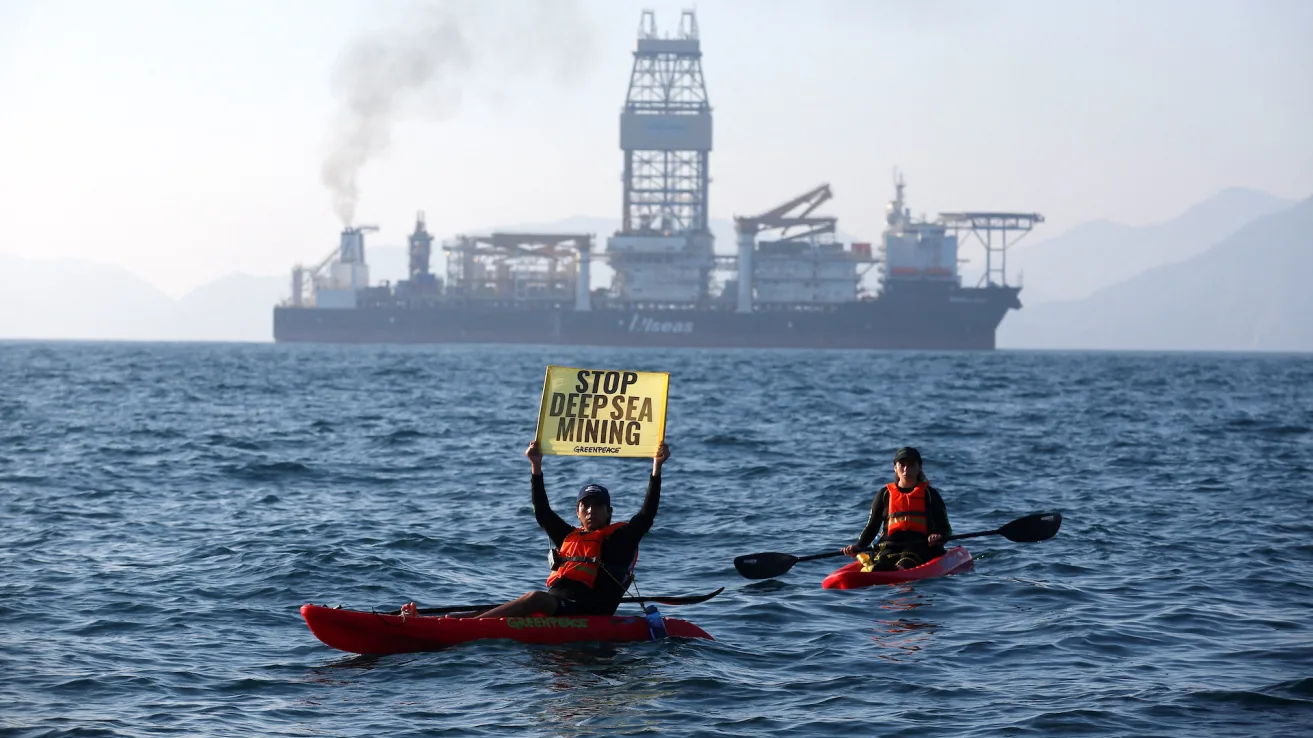
Africa’s vulnerability to the environmental and economic impacts of deep-sea mining (DSM) has come under scrutiny as global debates over seabed mineral extraction intensify. The push for DSM, particularly by the United States under policies initiated during the Trump administration, has sparked discussions across regions, including Africa, on the consequences of unregulated ocean floor mineral harvesting. DSM targets critical resources such as cobalt, copper, and rare earth elements, essential for modern technologies, but poses significant risks to marine ecosystems.
The U.S. executive order seeks to secure seabed minerals and position the nation as a leader in marine resource exploitation. However, this approach appears to counter principles outlined in the United Nations Convention on the Law of the Sea (UNCLOS), which emphasizes collective governance under the “common heritage of humankind.” The unilateral actions connected to DSM have drawn criticism for undermining decades of multilateral cooperation aimed at preserving oceanic resources. The International Seabed Authority (ISA), tasked with regulating activities in international waters, is still developing a definitive framework for DSM operations, leaving many nations concerned about premature exploitation.
Sierra Leone, speaking on behalf of the African Group at ISA discussions, has underscored the risks DSM poses to land-based mining economies across the continent. For countries like the Democratic Republic of the Congo and Zambia, both major exporters of metals such as cobalt and nickel, unrestrained DSM activities could severely disrupt existing supply chains. The African Group has emphasized the need for stringent regulations and financial models that incorporate equitable benefit-sharing mechanisms before any DSM operations are sanctioned. Environmental scientists echo this sentiment, warning of irreversible damage to marine biodiversity and altered ocean floor landscapes based on findings from earlier seabed interventions.
Despite these pressing concerns, African nations have largely remained muted in global DSM negotiations, raising alarms about the continent’s preparedness to address the fallout of deep-sea exploitation. Experts argue that Africa must adopt a unified stance to advocate for precautionary measures and robust scientific assessments to protect marine ecosystems from potential degradation. Some have proposed that African nations seek clarification of international obligations under UNCLOS via the International Court of Justice, potentially calling for a moratorium on DSM until comprehensive protections are in place.
Why this matters
Deep-sea mining introduces a significant operational and regulatory dilemma for African nations, many of which rely heavily on terrestrial mineral exports to sustain their economies. The potential influx of seabed-derived metals could lead to supply chain disruptions and pricing volatility on global markets, directly impacting countries such as the Democratic Republic of the Congo and Zambia. Additionally, the environmental degradation linked to DSM could imperil African coastal ecosystems, undermining fisheries and other maritime-dependent industries.
For shipowners and maritime operators servicing African mineral exporters, DSM presents a scenario that could alter trade flows and recalibrate demand for bulk carriers involved in transporting terrestrial commodities. Moreover, the lack of finalized ISA regulations creates uncertainty for flag states, insurers, and vessel operators engaging in potential DSM-related charters. Consent among ISA member states, market governance, and environmental safeguards will ultimately define whether DSM activities harmonize with current shipping practices or exacerbate risk exposure.
African nations hold significant sway at the ISA’s General Assembly and other international maritime forums, where collective advocacy could dictate stringent safety, environmental, and equity-focused frameworks for DSM activities. The path African states choose—whether through active participation, regulatory enforcement, or even calls for moratoriums—will shape both global ocean governance and regional stability in mineral markets.
The upcoming ISA decisions and African participation in this discourse will likely redefine the operational landscape for DSM practices. The maritime sector will need to monitor regulatory advancements closely as they can significantly affect supply chains, trade routes, and vessel demand in years to come.