Flood-control corruption scandal exposes maritime risks as Philippine protests escalate
Massive protests under the banner of the “Trillion Peso March” are shedding light on extensive corruption in the Philippines’ flood-control infrastructure, exposing vulnerabilities critical to the maritime sector. Allegations of kickbacks siphoning 25–30 percent of flood-control funds have rocked the administration of President Ferdinand Marcos Jr., with audits reportedly flagging 421 “ghost” projects out of 8,000 works inspected nationwide. Tens of thousands initially took to the streets on September 21 in Metro Manila and provincial cities, decrying the alleged ₱1.9 trillion lost to substandard or non-existent infrastructure over the past 15 years. The wave of dissent has evolved into weekly “White Ribbon Friday” protests and is building toward a large-scale nationwide rally on Bonifacio Day, November 30.
The scandal has hit coastal communities, port cities, and maritime workers particularly hard. Inadequate defenses failed to mitigate the impact of recent typhoons, resulting in over 1,000,000 people displaced and hundreds killed, while technical inspections continue to expose poorly constructed levees and non-existent flood barriers. These findings underscore the direct implications for maritime operators and trade in the archipelagic nation, where resilient infrastructure is vital for port safety and uninterrupted shipping routes. Coastal barangays relying on flood-control projects now face elevated risks of catastrophic flooding, putting both human lives and trade corridors in jeopardy.
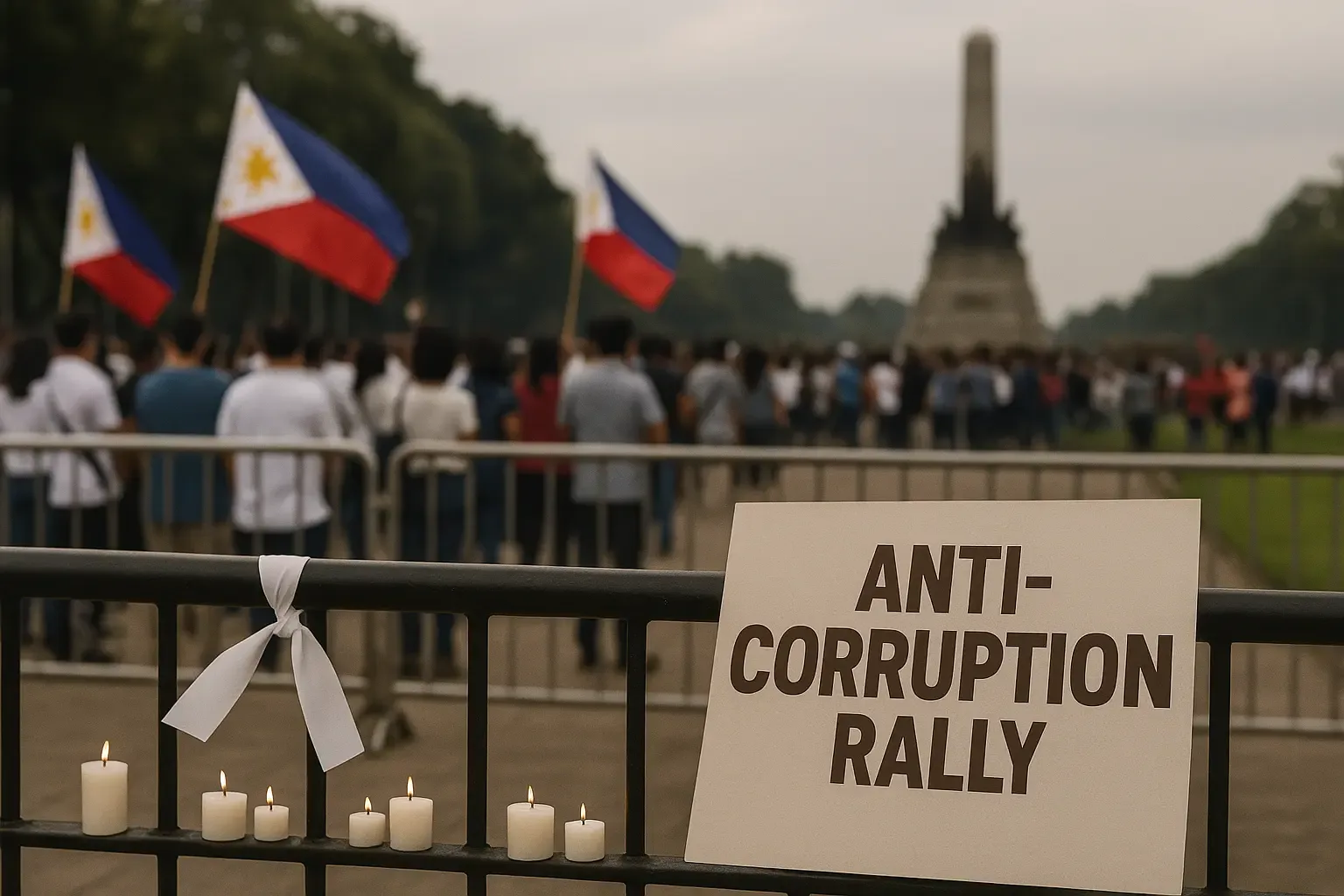
Organisations, including influential religious groups, have amplified public pressure. From November 15 to 17, approximately 600,000–650,000 protesters rallied in Manila’s Rizal Park and Quirino Grandstand under the leadership of the Iglesia Ni Cristo (INC). Supported by robust yet non-confrontational police deployments, the protest marked a critical escalation in the demand for accountability as INC shifted its stance after years of alignment with Marcos. Concurrent protests at the People Power Monument and on university campuses brought together a broad coalition of retired military officials, progressive groups, faith-based networks, and Duterte loyalists. Despite political differences, these groups remain united in condemning corruption and demanding reforms, further intensifying the administration’s challenge ahead of November 30 demonstrations.
Why this matters
For the Philippine maritime sector, the unresolved flood-control scandal poses operational and financial risks. The absence of functional infrastructure magnifies vulnerabilities in low-lying port cities and heavily trafficked shipping lanes, intensifying seasonal disruptions caused by typhoons. Flood defenses are critical not only for safeguarding cargo and port operations but also for maintaining trade continuity; their failure leaves stakeholders facing higher insurance premiums and logistical unpredictability.
Maritime operators reliant on climate-resilient waterways must now contend with both immediate safety concerns and long-term economic uncertainty as accountability for the missing ₱1.9 trillion remains unclear. The revelations of diversion through kickbacks and poorly executed projects suggest systemic flaws in disaster preparedness, threatening the ability to maintain port throughput during peak storm seasons. Without significant reforms and transparent auditing, these risks could escalate, undermining confidence among shipping companies, insurers, and charterers operating in Philippine waters.
Looking ahead, the November 30 nationwide rally represents a critical crossroads. The maritime industry, along with other exposed sectors, will be closely watching whether the administration takes credible steps toward addressing infrastructure failures and deterring future corruption. Immediate capital investments in coastal defenses could become key for operators seeking to mitigate financial losses and operational delays caused by compromised flood-control systems.