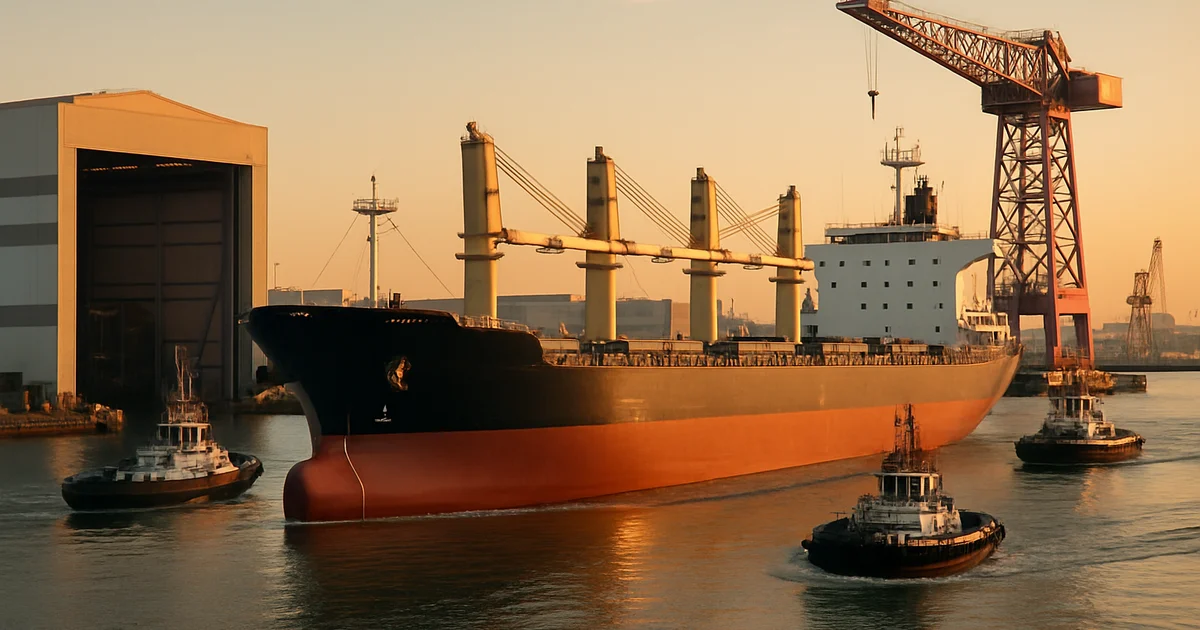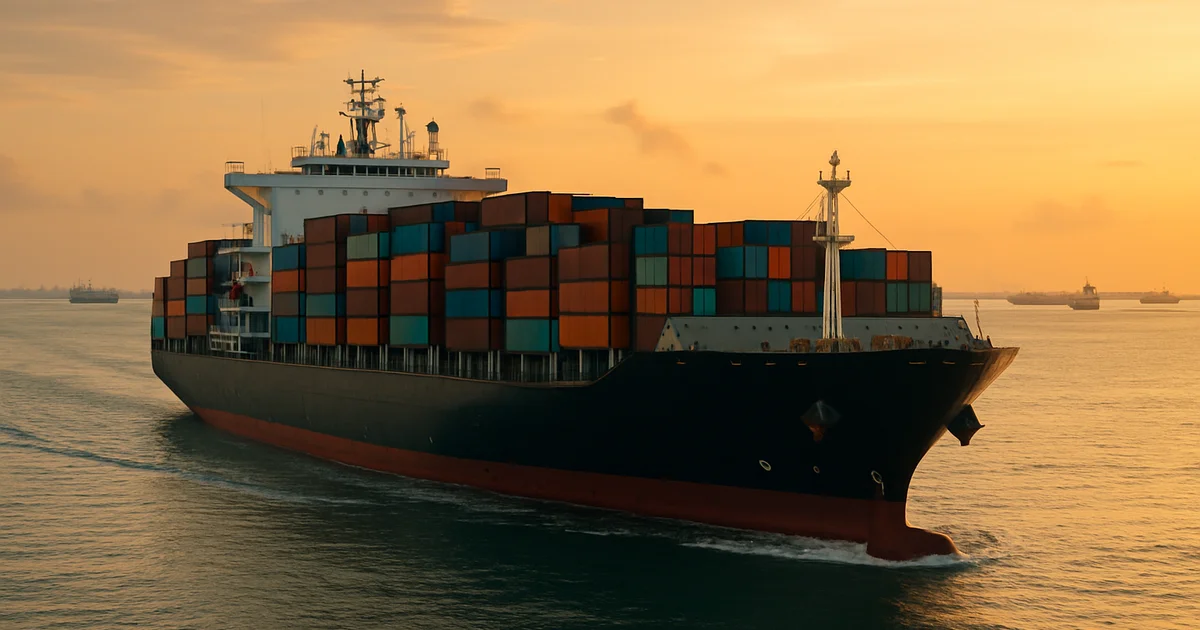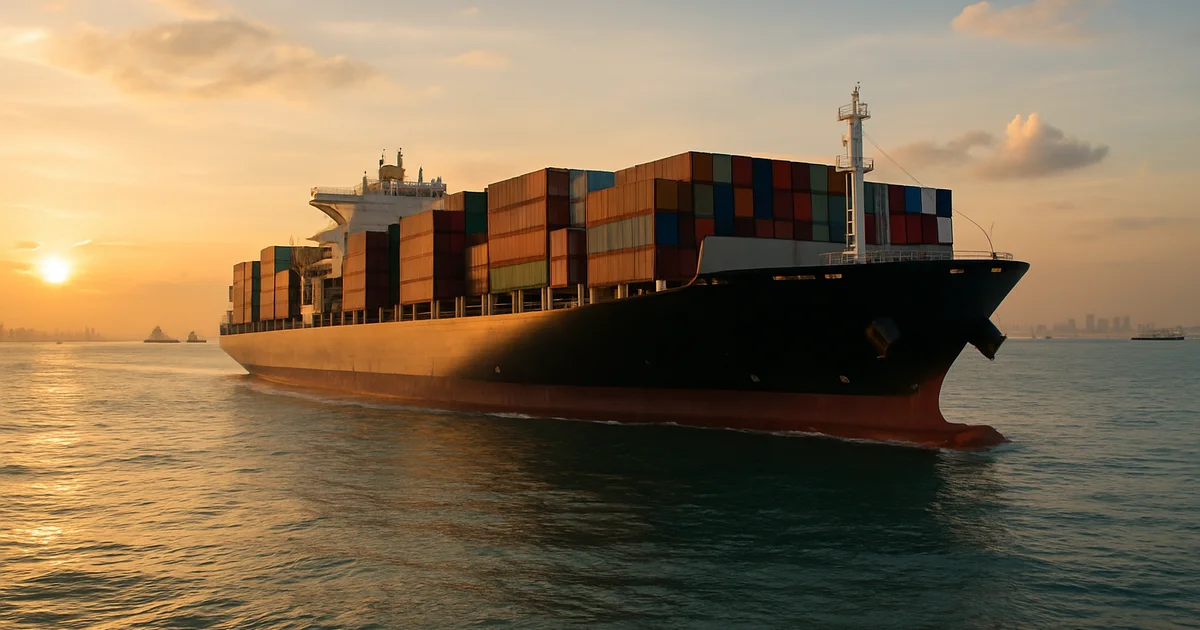
Fortescue Metals Group, the Australian mining giant, and Singapore-based bulk carrier operator Pacific Carriers Limited (PCL) have announced a joint venture aimed at exerting greater control over freight costs. The collaborative venture will combine Fortescue’s expertise in iron ore production with PCL’s shipping capabilities to optimise the transportation of bulk commodities, fortifying their respective supply chains and reducing logistical expenditures.
According to statements from both companies, the venture highlights a strategic alignment where PCL will deploy its fleet to significantly streamline Fortescue’s seaborne operations. Industry reports indicate that the balance of supply chain management will shift with the projected capacitation of PCL vessels exclusively for Fortescue’s shipping needs. This partnership contrasts with the conventional model of spot-chartering vessels, offering longer-term cost efficiency and operational predictability.
The move comes amid fluctuating freight rates within the bulk carrier market, influenced predominantly by varying demand and supply trends in the mining sector. Industry observers suggest that this joint venture could act as a stabilising force, cushioning Fortescue against volatile market swings. Despite prevailing uncertainties in the freight market, tied contracts within this venture might offer a reliable cost framework for both entities.
Fortescue’s partnership with PCL also signifies its commitment to enhancing its maritime logistics strategy, which is critical given its extensive iron ore export operations from Western Australia to major Asian markets. For PCL, the venture is a notable expansion beyond its typical operational purview, aligning with market trends increasingly favouring collaboration between commodity producers and shipping experts.
Why this matters
This joint venture between Fortescue Metals Group and Pacific Carriers Limited marks a pivotal shift in how global mining companies manage freight logistics. By leveraging a dedicated fleet, Fortescue aims to mitigate the risk associated with freight market volatility, which can significantly impact bottom lines in commodity-heavy sectors. The long-term implications include potential cost savings and enhanced supply chain reliability for Fortescue’s extensive iron ore shipping operations.
For PCL, establishing the joint venture sharpens its competitive edge within the shipping industry as it navigates through an evolving trade environment. Gaining such a strategic client allows PCL to secure predictable revenue streams and demonstrates the appeal of integrated logistics solutions. This trend may push other bulk carriers to explore similar collaborations, changing traditional shipping models significantly.
Further, the venture underscores a growing industry trend towards strategic collaborations and integrated supply chain management, highlighting the importance of competitive differentiation in maritime logistics. Given the fluctuating nature of bulk freight rates and the demand for cost efficiency, others in the mining and shipping sectors might seek comparable arrangements.
This alignment between a major mining company and a dedicated shipping partner may lead to more comprehensive logistic solutions tailored to specific trade routes and commodities, setting precedence for future collaborations between commodity producers and maritime operators, potentially reshaping bulk commodity transportation strategies.
The coordination between Fortescue Metals Group and PCL has long-term strategic implications for the wider maritime industry. As other commodity producers observe the potential benefits, the industry may witness a rise in bespoke shipping arrangements, where control over freight costs and logistical efficiency takes precedence over traditional operational models.