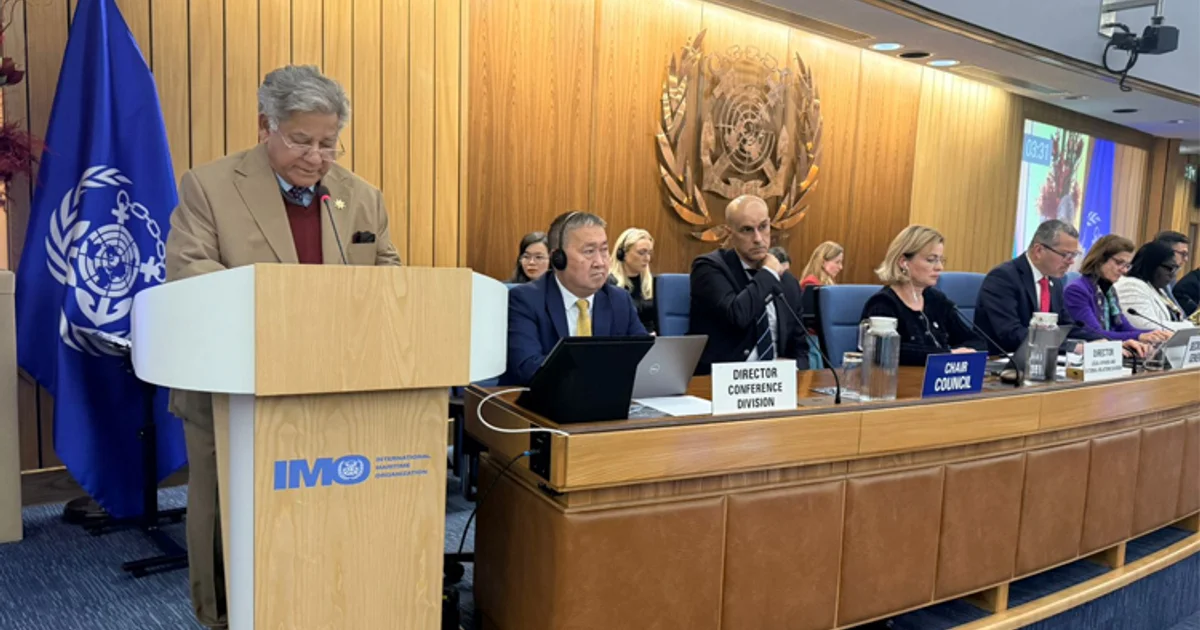
Bangladesh has taken center stage at the 34th General Assembly of the International Maritime Organization (IMO) in London, presenting itself as a rising maritime nation with significant ambitions. Brigadier General (retd) Dr. M Sakhawat Hossain, the nation’s Shipping Adviser, outlined the country's transformation from a coastal economy to an emerging leader in maritime development during his address to delegates from 176 member states.
Dr. Hossain highlighted major strides in infrastructure modernization, particularly across the nation’s three key ports: Chattogram, Mongla, and Payra. The development of the Matarbari deep-sea port, touted as a crucial trade connectivity hub between South Asia and global markets, was identified as a milestone project. According to Dr. Hossain, over 21,000 skilled Bangladeshi seafarers are currently active in the global fleet, underscoring the country's competency in maritime labor. Bangladesh’s constructive role in IMO committees was also noted, with particular attention to advocating for equitable and sustainable regulations.
A recurring theme in Dr. Hossain's presentation was the commitment to Nobel laureate Muhammad Yunus’s "three zeros" philosophy: zero poverty, zero unemployment, and zero carbon emissions. He pointed to initiatives such as the Bangladesh Delta Plan 2100 and the Blue Economy Roadmap, which aim to integrate these principles into sustainable maritime practices. Bangladesh’s achievements in ship recycling, shipbuilding, and maritime training were also spotlighted as key drivers of national progress in the sector.
A pivotal agenda item at the General Assembly was the election of 40 council members for the next two-year period. Bangladesh is campaigning for re-election to Category C, emphasizing its focus on equitable access to maritime technology, climate-resilient shipping solutions, and professional training programs. Dr. Hossain announced the creation of ten scholarships annually for seafarers from island nations and least developed countries, fostering international cooperation and skill development. Bilateral discussions with representatives from Pakistan and Belize during the session concentrated on enhancing trade routes and marine education programs, including potential collaborations between Chattogram and Karachi.
Why this matters
Bangladesh’s rise as a maritime leader has implications for shipping routes, trade connectivity, and workforce specialization. With the Matarbari deep-sea port potentially reshaping South Asia’s maritime corridors, shipowners and operators may witness streamlined transit options and expanded access to global markets. The nation's emphasis on sustainable practices aligns with broader industry trends, particularly as decarbonization mandates influence vessel design and operations in the coming years.
The push for re-election to IMO’s Category C signals Bangladesh’s intent to play a more active role in shaping policy, with direct implications for regional shipping standards and maritime technology transfers. Investments in shipbuilding and recycling, paired with training scholarships, could position Bangladesh as a competitive force in vessel production and skilled labor exports, impacting shipyard demand and employment rates across the sector.
Looking forward, Bangladesh’s ability to secure a seat on the IMO Council may amplify its advocacy for fair and sustainable maritime regulations. Stakeholders across the industry should monitor developments related to the Matarbari project and the country’s growing emphasis on climate-resilient shipping solutions. This trajectory could influence investment patterns in infrastructure and maritime technology across South Asia.