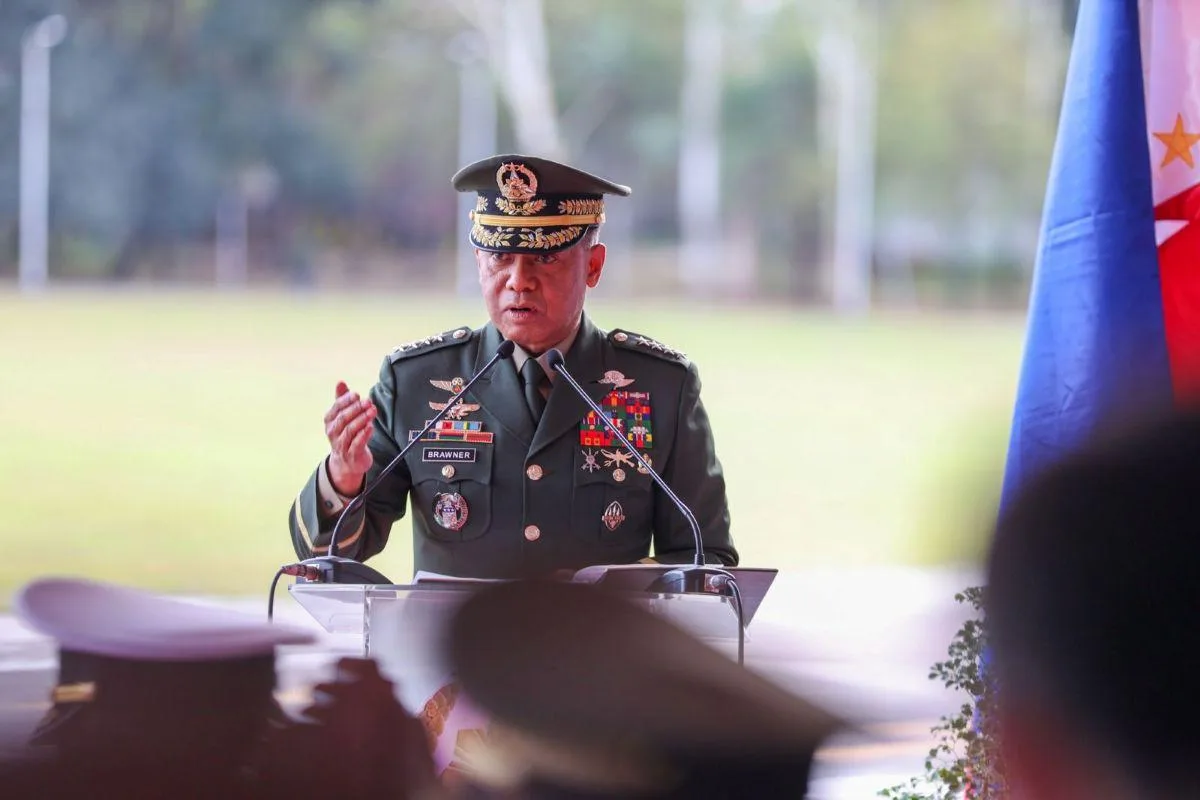
At the Maritime Security Symposium 2026, Armed Forces of the Philippines (AFP) Chief Romeo Brawner Jr. emphasized the urgent need for enhanced cooperation among Southeast Asian nations to address increasing maritime security challenges. He highlighted that although the core principles guiding the region have remained consistent, the operational environment has grown more complicated, necessitating sustained dialogue and collective efforts among Association of Southeast Asian Nations (ASEAN) members.
Brawner articulated that this year’s symposium theme, “Navigating Continuity and Change through ASEAN,” reflects the current complexities faced by the region. He underscored the importance of improving maritime domain awareness via information sharing and interoperability among ASEAN countries. To mitigate risks of miscalculations, he called for stronger confidence-building measures, along with consistent adherence to established maritime rules and norms.
He asserted that while these objectives are not new, they require renewed commitment in the context of the changing global landscape marked by various conflicts. Brawner pointed out that ASEAN has historically drawn strength not from uniformity but from a unity of purpose, which must continue to guide member nations. This unity is essential not only for preserving past achievements but also for shaping future developments.
The AFP chief identified several key maritime challenges, which include ensuring maritime safety, protecting critical underwater infrastructure, sustainably utilizing marine resources, and addressing the nexus between climate risks and security threats. He acknowledged that geopolitical shifts, rapid technological advancements, and climate-related challenges complicate these issues further.
Brawner’s remarks reflect a broader understanding that regional cooperation in maritime security is crucial in the face of evolving threats. He called for a collaborative approach that underscores unity and joint responsibility among ASEAN member states, emphasizing that the region must adapt to the changing dynamics to effectively manage maritime security in the coming years.