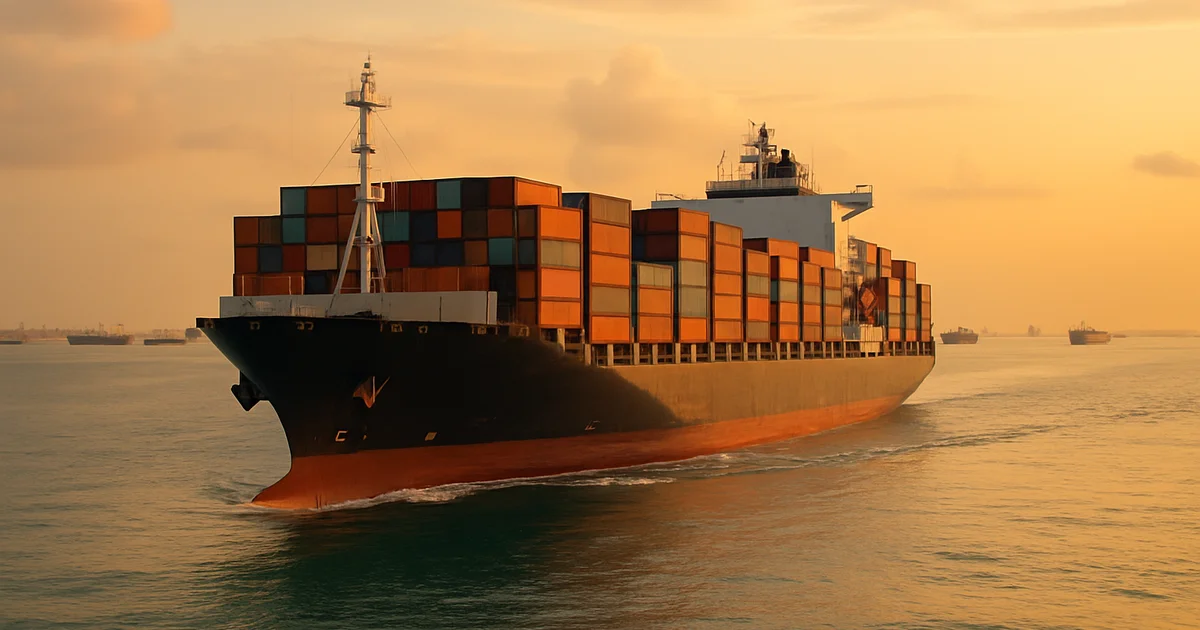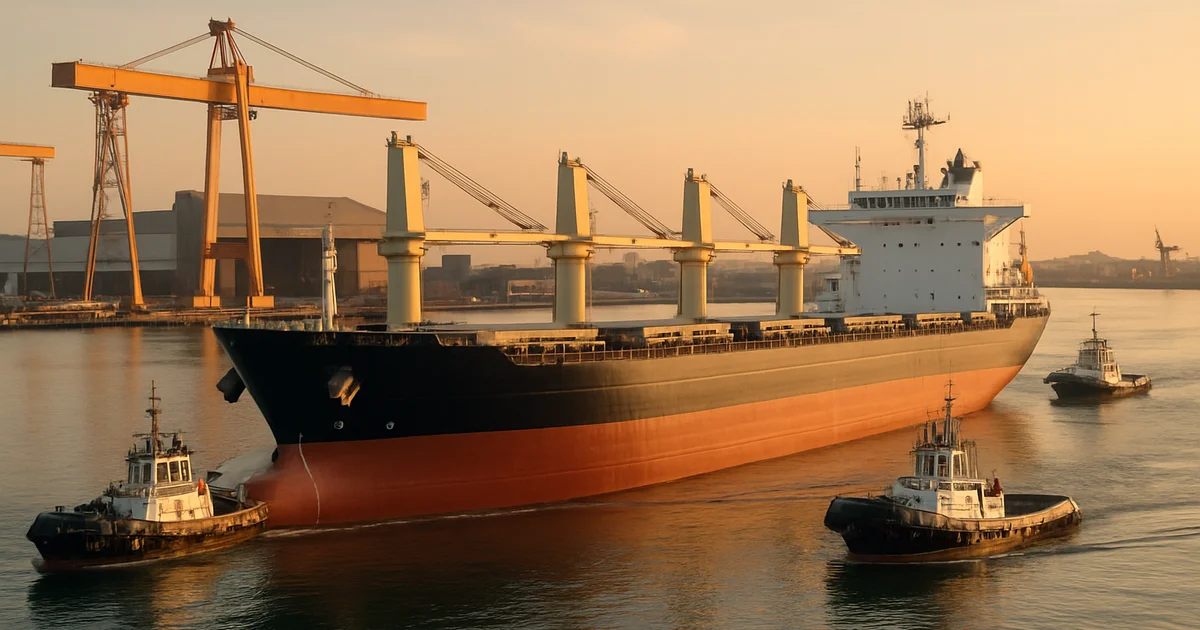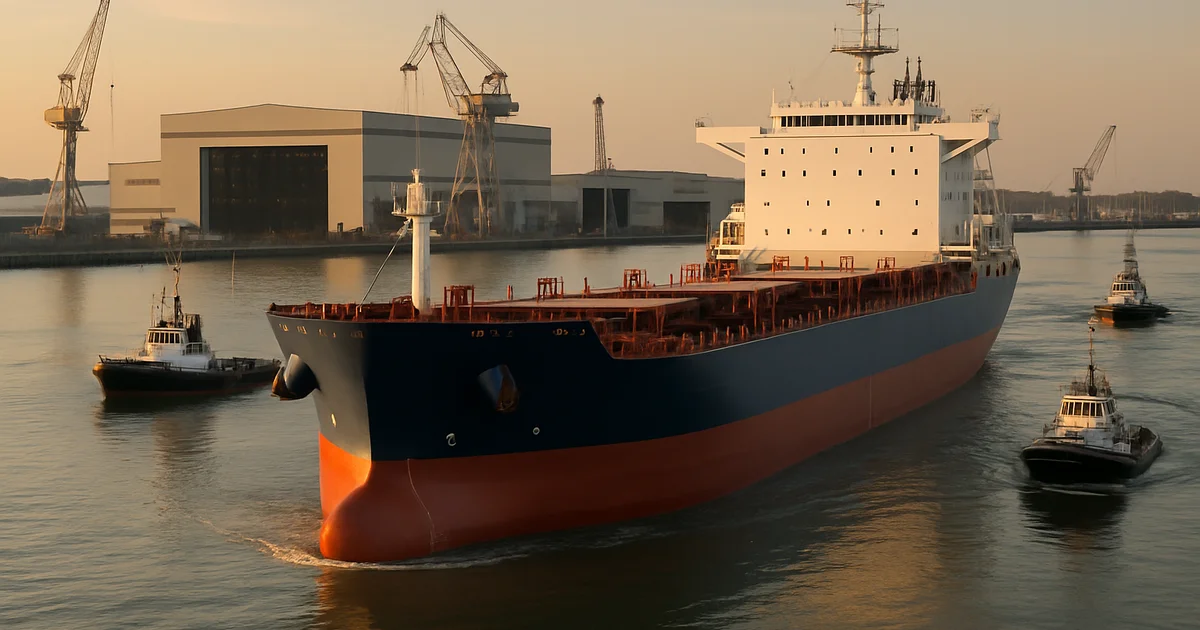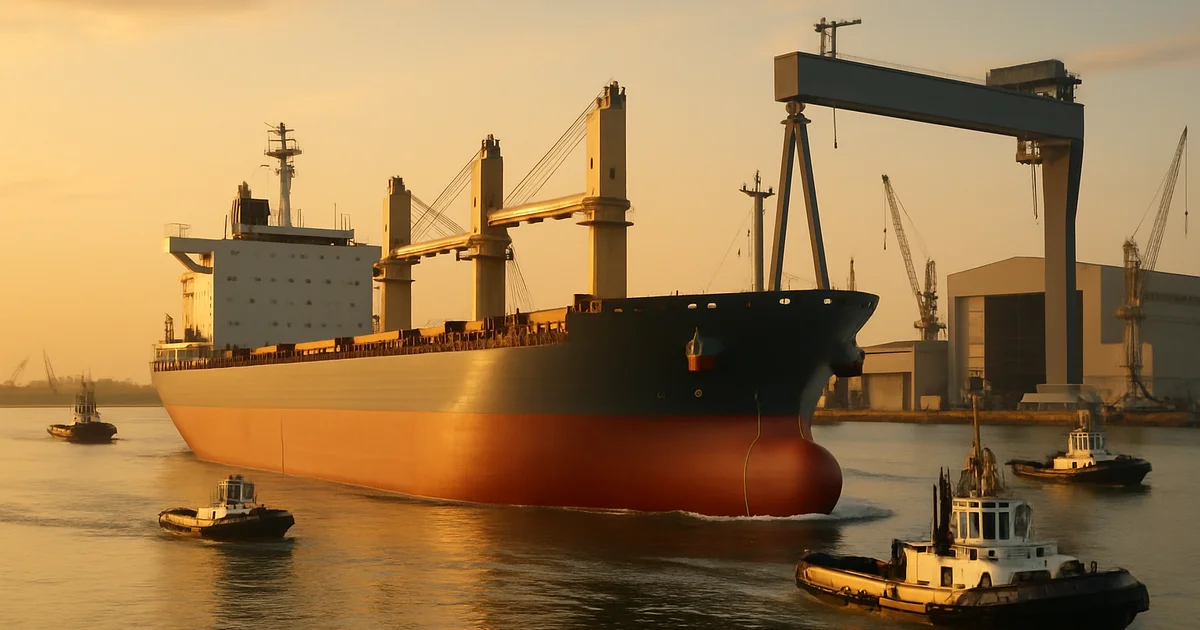
Cetus Maritime has announced plans to widen its fleet through the acquisition of 13 vessels from Seacon Shipping Group, with the transaction aimed at bolstering the company's size ahead of a potential initial public offering (IPO). Details around the fleet acquisition remain closely watched, with expectations that it could significantly alter Cetus Maritime's operational capacity.
The 13 ships in question are part of Seacon's diverse portfolio, encompassing various vessel classes. Industry sources suggest that these vessels harbor specifications that align well with Cetus Maritime’s strategy to expand its tonnage and service range, though specific ship details such as their deadweight tonnage (DWT) and gross tonnage (GT) have not been uniformly disclosed.
Michael Holmes, CEO of Cetus Maritime, expressed optimism about the move. “This acquisition forms a critical part of our growth strategy,” Holmes commented, underscoring the firm’s intent to strengthen its market positioning. Exact terms of the fleet arrangement have not been publicly confirmed, but it's clear this acquisition is part of a calculated step by Cetus Maritime towards expanding its market influence.
In the context of the maritime industry, this strategic move by Cetus Maritime emerges in a landscape where fleet expansions are often driven by rising trade demands and favorable tanker rates. The fleet deal comes as industry players witness heightened activity in vessel contracting and fleet augmentation, with competitors also eyeing similar expansion opportunities given current market conditions.
Looking forward, market observers anticipate that Cetus Maritime's fleet acquisition will set the stage for further strategic developments. With the potential IPO on the horizon, bolstering fleet size could enhance valuation prospects, attract investor interest, and provide a robust platform for ongoing resource allocation and operational scaling.
Why this matters
The maritime industry is witnessing a spate of fleet expansions as operators strive to capture increased cargo demand and take advantage of current market conditions, which can drive profitability. For shipowners, acquisitions like Cetus Maritime's have significant implications, as they involve capital investments and strategic resource planning. The addition of 13 Seacon ships is a testament to the competitive landscape where expanding fleet capacity is crucial for maintaining a competitive edge.
Regulatory and market conditions also play into such decisions. The inclusion of new vessels potentially entails compliance with updated maritime regulations, including those focusing on environmental performance and efficiency. Ship operators must be prepared to address these considerations to avoid post-acquisition regulatory hurdles.
Financially, this transaction could bear considerable influence on Cetus Maritime's market valuation, especially with the anticipated IPO. Investors and market analysts will closely scrutinize the financial metrics and operational benchmarks linked to the acquisition, evaluating fleet performance and revenue generation as key indicators for future performance.
Moving forward, industry stakeholders are likely to monitor Cetus Maritime’s strategic intentions post-acquisition toward IPO readiness, assessing whether the expanded fleet can deliver anticipated market benefits amid a dynamic trading environment.