The transatlantic slave trade, a dark chapter in maritime history, saw millions of Africans forcibly transported to the Americas, primarily aboard ships operated by the Portuguese, British, French, Spanish, and Dutch. The voyage, peaking during the 18th century, was marked by unprecedented brutality. Enslaved individuals were subjected to beatings, murder, and sexual violence throughout their journey, sparking desperate acts of resistance, including suicide, seen as a path to liberation or reunion with their homeland.
William Snelgrave, an English slave trader, documented that many enslaved Africans believed death would enable them to return to their country. This belief reflected their psychological suffering and served as a form of rebellion against their oppressors. To safeguard profits, crews implemented extreme measures to prevent suicide, recognizing that each death reduced the cargo's monetary value. Methods used by individuals included refusing sustenance, sometimes by hiding food in their mouths and spitting it out when left unobserved. Such actions often led to brutal reprisals from the ship's crew.
Others attempted to escape by leaping overboard—a collective act of defiance that sometimes involved groups holding hands as they chose death together. To combat such attempts, ships were frequently outfitted with netting along their sides, creating physical barriers to prevent overboard escapes. When a leap into the ocean succeeded, the ships' crews often dispatched boats to recover the individuals, intent on preserving their human "cargo."
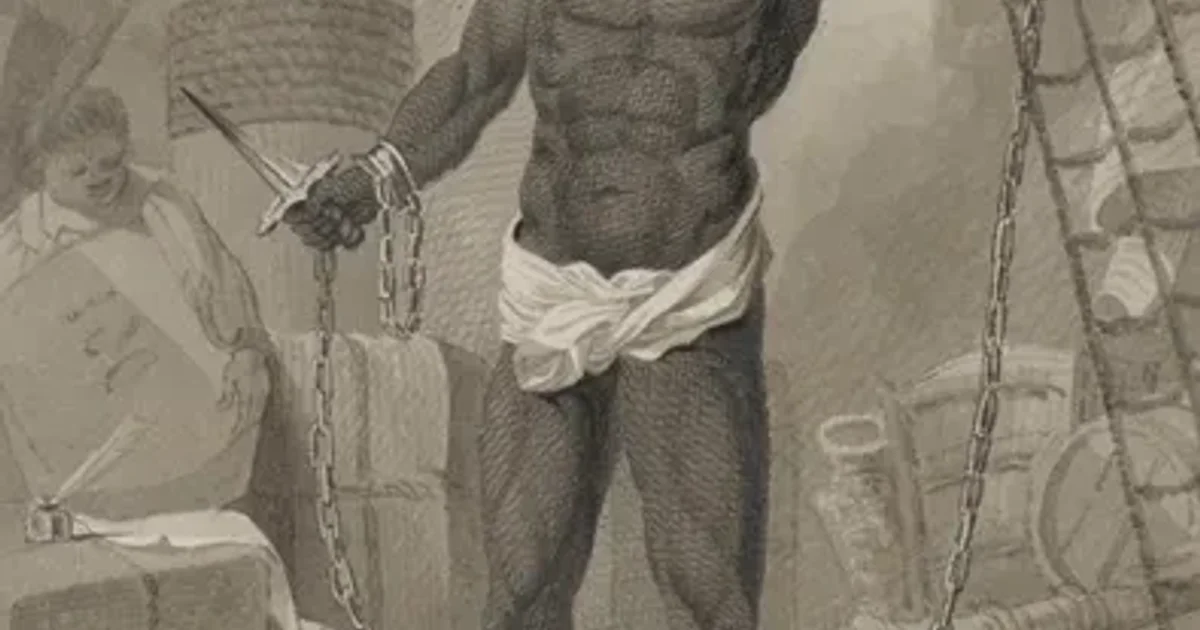
There were even instances where enslaved people acquired weapons, such as knives or guns. While some used these against their captors during uprisings, others resorted to self-harm, demonstrating the profound despair and hopelessness of their conditions. One particularly evocative account captures a man on a slave ship deck holding a dagger while shackled, gazing at the sky—a haunting symbol of agency amid unimaginable anguish.
Collective resistance occasionally culminated in mass suicide and acts of defiance, as evidenced by the 1773 uprising aboard the *New Britannia*. There, a group of enslaved Africans detonated explosives, killing themselves and some of their captors. This event remains one of the most extreme examples of resistance within the transatlantic slave trade, underscoring the extraordinary lengths to which individuals went to assert autonomy and dignity.
Why this matters
The psychological and physical strategies employed by enslaved Africans to resist their captors illuminate the intense human struggle for freedom during one of history’s most dehumanizing systems of oppression. Ships designed to suppress suicides through extreme measures, such as netting and punitive tactics, highlight the deliberate investment made by slave traders to maximize the profitability of human beings as commodities.
These acts of resistance—whether solitary or collective—serve as critical historical insights into the resilience and agency displayed by enslaved individuals. The legacy of such defiance sheds light on the deep cultural and psychological scars inflicted by slavery, not only on those subjected to its atrocities but on their descendants, who continue to grapple with its multifaceted impacts.
Maritime operators during the colonial era were instrumental in shaping the transatlantic slave trade’s infrastructure. Understanding this operational backdrop is crucial for modern industry actors seeking to confront and reconcile historical injustices tied to shipping's role in global economic systems.
The enduring relevance of this history lies in its socio-cultural and ethical implications. For today’s maritime stakeholders, it serves as a sobering reminder of the industry’s capacity to shape societies—either through exploitation or progress. Furthermore, confronting these legacies may pave the way for policy frameworks that prioritize human rights and dignity in the global shipping industry.
Operators in the historical slave trade tailored ship designs and crew protocols to repress acts of resistance that undermined their financial interests. This dark lesson underscores how commercial imperatives can collide with or suppress humanitarian values—a dichotomy that remains relevant as the maritime sector navigates ethical challenges in labor practices and supply chain transparency today.