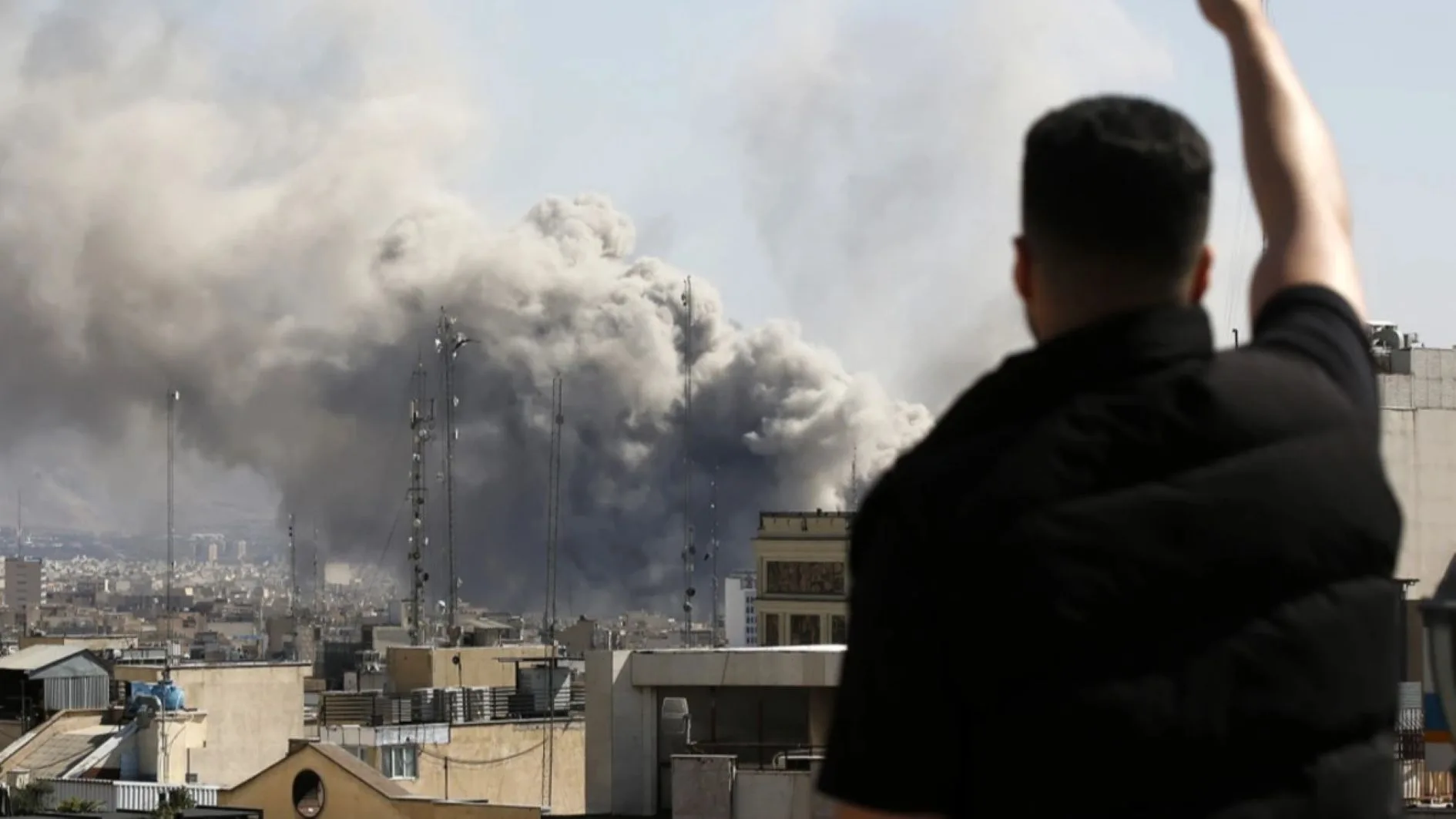
The International Maritime Organization (IMO) Council has called on member states to urgently create a secure maritime framework for the safe evacuation of merchant vessels and seafarers trapped in the Persian Gulf, particularly through the Strait of Hormuz. This directive comes in response to increasing threats and attacks against vessels and seafarers, alongside fears that the Strait of Hormuz might be closed. These actions align with the United Nations Security Council Resolution 2817, which aims to ensure the safety and welfare of seafarers and the prompt resolution of ongoing threats.
During a special two-day session in London, the council discussed the arising implications of the geopolitical situation in the Middle East for shipping and maritime personnel. Reports indicate that seafarers from Nigeria and other African nations are among those stranded on affected vessels. In light of this, the IMO Council instructed an immediate response to halt attacks on civilian shipping and urged the over 120 member states, including Nigeria, to guarantee the delivery of essential supplies such as water, food, and fuel to stranded seafarers and vessels unable to leave the area.
The IMO’s Secretary-General, Mr. Arsenio Dominguez, emphasized the importance of maintaining fundamental shipping principles, including freedom of navigation and the safety of seafarers. He underscored that seafarers and merchant vessels should not become collateral victims of geopolitical conflicts, advocating for dialogue and diplomacy as means to alleviate tensions in the region. The session participants collectively condemned the threats to merchant vessels, reaffirmed the right to safe navigation, and called for restraint among involved nations.
Furthermore, the Council stressed the need to uphold navigational rights and ensure the well-being of seafarers by guaranteeing the provision of essential supplies and facilitating crew changes. Dominguez expressed readiness to initiate negotiations for establishing a humanitarian corridor for the evacuation of trapped vessels and seafarers, contingent upon collaboration and commitment from the involved countries and relevant UN agencies.
In summarizing the matter, the IMO Council’s actions reflect a concerted effort to address maritime security concerns, assess the welfare of seafarers, and enhance the safety of commercial navigation in a volatile region. The emphasis on diplomacy and sustained communication reveals the organization’s commitment to averting both immediate and long-term risks to maritime operations as geopolitical tensions continue.