Blockchain, IoT, and Big Data Driving Maritime Digital Transformation
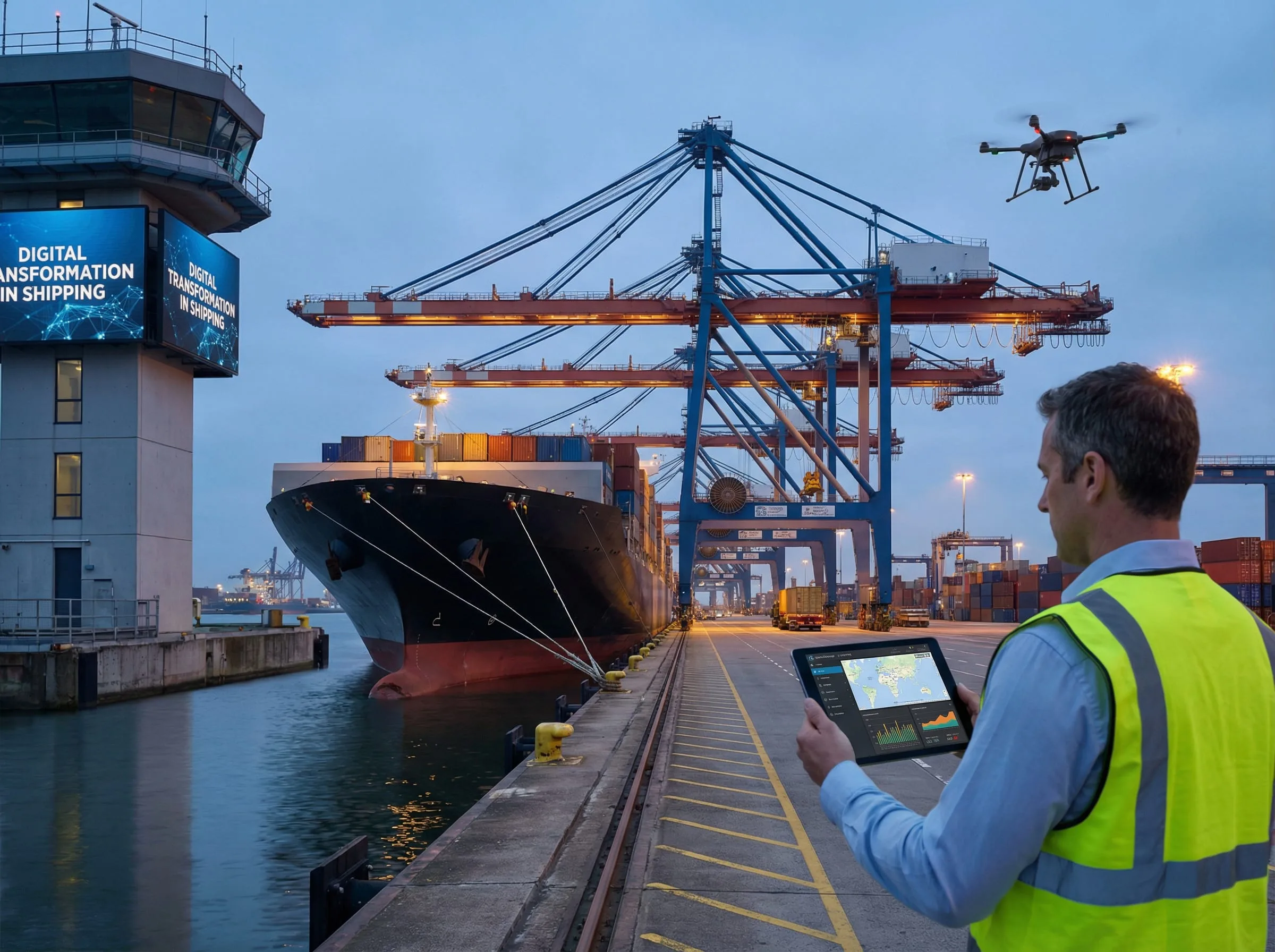
The global shipping industry is undergoing a significant digital overhaul, driven by technologies like Blockchain, the Internet of Things (IoT), and Big Data. These advancements are redefining operational efficiency, enhancing transparency, and driving sustainability across maritime logistics—key elements in addressing modern demands for speed, reliability, and compliance. Together, these technologies are empowering industry operators to respond to challenges in an increasingly competitive and regulation-heavy market.
Blockchain Enables Seamless Documentation and Monitoring
Blockchain, recognized for its secure, decentralized ledger capabilities, is transforming shipping processes that were historically slow, error-prone, and vulnerable to fraud due to reliance on paper. With digital-ledger systems, industry professionals are adopting solutions such as smart contracts, which automate binding agreements to eliminate delays and conflicts. Blockchain also facilitates real-time cargo tracking and enables stakeholders—from carriers to regulators—to instantaneously verify shipment records via transparent documentation.
Use cases range from ensuring cargo authenticity through real-time locational visibility to mitigating instances of theft and loss. By removing inefficiencies tied to manual processes, blockchain builds trust between shippers, carriers, and port authorities, creating a more secure global trade network.
IoT Connects Critical Assets Across the Supply Chain
The Internet of Things (IoT) is connecting ships, containers, and port infrastructure to advanced networks, enabling real-time monitoring and actionable insights. IoT sensors continuously capture and relay data on cargo conditions—such as temperature, humidity, and vibration—ensuring sensitive goods like pharmaceuticals and perishable items maintain integrity throughout transit. Onboard vessels, IoT-powered analytics assess engine health and optimize fuel consumption, reducing operating costs and downtime through predictive maintenance.
When integrated into port operations, IoT devices track berth availability and monitor equipment status, aiding in resource allocation and operational efficiency. By bridging physical assets with digital systems, IoT transforms reactive workflows into proactive decision-making frameworks that save costs and improve safety.
Big Data Drives Smarter, Predictive Decisions
Massive volumes of shipping-related data—spanning vessel movements, weather disruptions, and accident patterns—are processed via Big Data analytics to enable granular insights. Analytical models optimize vessel routes by considering historical patterns and current conditions, helping operators reduce both fuel costs and emissions. In parallel, demand forecasts improve fleet utilization, cargo capacity planning, and lead-time accuracy, while risk algorithms identify vulnerabilities in delays or incidents.
As shipping companies leverage structured data analysis, they can make decisions faster, respond to market flux, and allocate resources more effectively. Big Data enhances competitiveness across the sector while increasing operational predictability.
Impact on Shipping Operations
The integration of blockchain, IoT, and Big Data creates undeniable operational advantages. For shipping providers, the benefits span multiple dimensions:
- Efficiency: Predictive models, automated workflows, and IoT-enabled monitoring simplify processes and reduce overhead.
- Transparency: Secure digital records and decentralized monitoring tools enrich stakeholder trust and audit compliance.
- Sustainability: Advanced analytics help operators reduce carbon footprints while maintaining profitability.
These technologies are leveling global shipping capabilities, enabling even smaller organizations to compete with major players in the international trade market.
Why this matters
For maritime operators, the shift toward tech-driven solutions presents both opportunities and challenges. As blockchain builds foundational trust in legal agreements and tracking, logistics providers can reduce disputes and delays, leading to faster cargo turnaround times. IoT’s connectivity transforms safety practices, allowing operators to address mechanical issues before failure and mitigate supply chain risks tied to extreme weather conditions.
Big Data, meanwhile, positions operators to enhance profitability in a competitive freight-rate environment by fine-tuning shipping lanes and forecasting seasonal demand spikes. Regulatory compliance also becomes more manageable as these technologies streamline documentation and hazard mitigation, reducing penalties and port delays.
However, the initial investment in digital infrastructure requires stakeholders to strategically allocate capital and adopt new best practices. Maritime companies need rigorous training programs and partnerships to ensure their workforce remains adept at leveraging these systems.
The next horizon for operators may focus on interoperability between systems—ensuring blockchain, IoT devices, and Big Data platforms can seamlessly share insights without technical bottlenecks.
As technology becomes further integrated into core maritime operations, stakeholders will need to monitor advancements in cybersecurity, cross-network compatibility, and emerging compliance frameworks closely. Organizations that succeed in harnessing the convergence of these technologies will position themselves as leaders in the increasingly digital realm of global shipping.