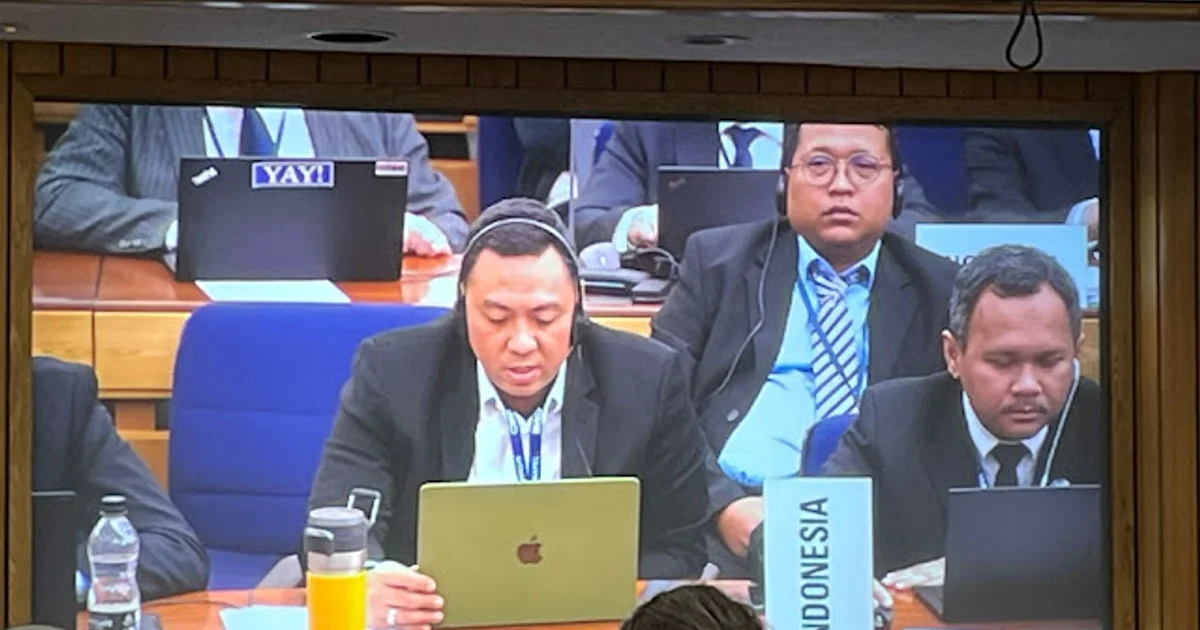
The 10th International Maritime Organization (IMO) Sub Committee on Human Element, Training and Watchkeeping (HTW) recently convened in London from February 5-9, 2024, where Indonesia, represented by the Directorate General of Sea Transportation, actively participated. Capt. Maltus, head of the Indonesian delegation, highlighted Indonesia’s significant contributions during the session.
One key intervention by Indonesia addressed the HTW 10/2024 document proposed by Ukraine, focusing on enhancing the accessibility of medical information related to seafarers. Indonesia supported this proposal and shared that it has compiled a list of medical institutions authorized by the government for assessing seafarers’ health, accessible via a designated website. Additionally, Indonesia has established an online platform to verify the authenticity of health certificates issued to seafarers.
Capt. Maltus emphasized that Indonesia’s initiatives reflect its commitment as a recognized Maritime Administrator by the IMO, as mandated under Presidential Regulation No. 23 of 2022. This enables Indonesia to report maritime activities and adherence to the IMO Convention effectively. The responsibilities concerning the health of seafarers were reaffirmed through Ministerial Decree Number KP 985 of 2023, which restructured public services related to seafarers’ health.
In further discussions, Indonesia introduced a new format for seafarer’s certificates, effective December 1, 2023, underlining the modernization of maritime documentation. This update aligns with the use of electronic signatures for maritime certificates, as specified in a prior decree.
Barkah Bayu Mirajaya, the Transportation Attaché from Indonesia, extended thanks to the IMO Secretariat for their preparation of relevant documents, specifically the HTW 10/2, which contained insights from previous audits that could enhance the comprehensive review of the STCW Convention. One significant recommendation from these audits was the inclusion of training on seafarers’ rights, particularly concerning issues of abandonment. This recommendation aligns with Indonesia’s commitment to advancing seafarer welfare and ensuring that training programs address both present challenges and future needs.
The 10th HTW session focused on key agendas concerning Human Element, Training, and Watchkeeping, as well as recommendations for revising the STCW Convention and Code. The Indonesian delegation was robust, comprised of various representatives from maritime organizations and institutions, underscoring Indonesia’s comprehensive approach to maritime safety and regulations.
In summary, Indonesia’s participation in the HTW session demonstrates its proactive strategy in enhancing maritime governance, promoting seafarers’ welfare, and embracing technological advancements in maritime operations. Through its interventions, Indonesia aims to enhance transparency, improve safety standards, and ensure the well-being of its seafaring community.