The United Nations Office on Drugs and Crime (UNODC), in collaboration with Japan, has initiated a multi-faceted program to strengthen Mozambique’s maritime law enforcement capabilities in its Northern Pemba Province. Central to the initiative is the establishment of a Joint Maritime Operations Center in Pemba, envisioned as a coordination hub for counterterrorism and broader maritime security efforts. This development reflects an increasing focus on regional stability in the face of rising criminal and terrorism-related activities within Mozambique’s coastal waters.
Japan’s contribution to the program has been significant, including the provision of patrol boats, spare parts, and maintenance kits designed to enhance the operational durability of Mozambique’s maritime law enforcement assets. Complementing these resources, UNODC has implemented a boarding officer qualification training course aimed at equipping officers with the tactical skills and procedural knowledge necessary to efficiently combat maritime crime. Participants have undertaken specialized training covering vessel boarding techniques and the enforcement of maritime laws in high-stakes scenarios.
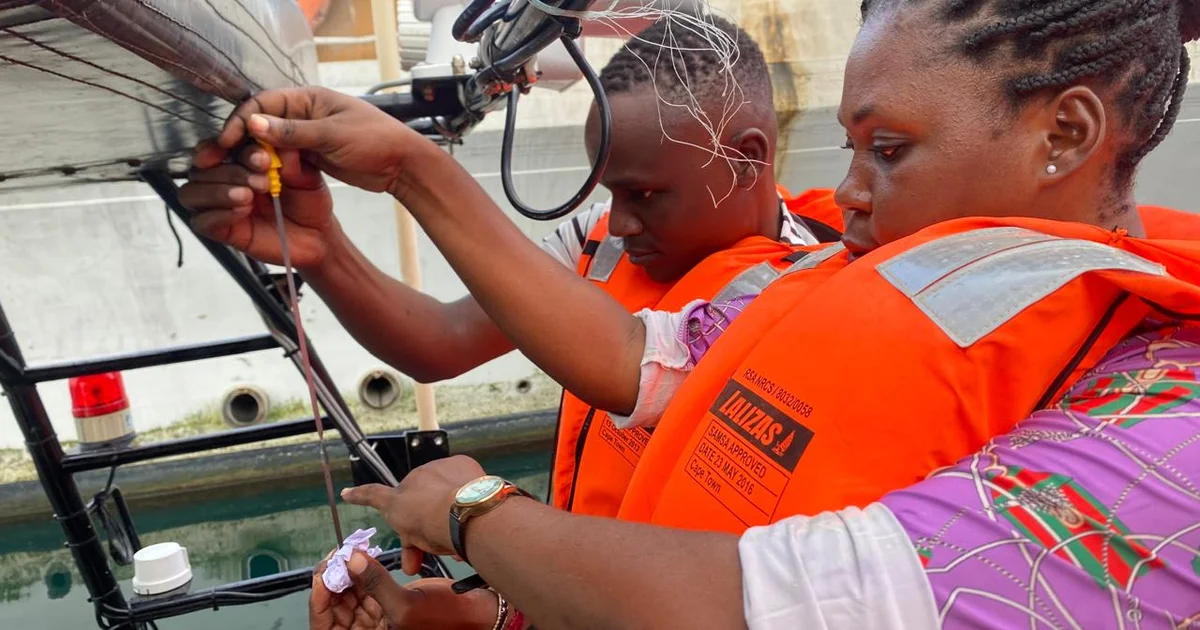
In addition to operational training, the initiative is prioritizing the technical sustainment of maritime assets through a detailed maintenance curriculum. Practical sessions focus on empowering officers with the knowledge required to carry out routine equipment upkeep, ensuring that vessels and gear maintain peak performance over time. UNODC has emphasized this approach as vital to ensuring the long-term viability of Mozambique’s burgeoning maritime enforcement framework.
Feedback from training participants underscores the transformative effect of the program. A criminal investigator underlined the critical need for infrastructural support from Mozambique’s Ministry to obtain the full benefit of these efforts, citing sustainability as a policy challenge requiring immediate attention. Meanwhile, an official from the Mozambican Maritime Authority highlighted the importance of a proactive enforcement approach along the coastline and suggested the training has brought new urgency to addressing maritime security gaps.
The overarching initiative aligns with the United Nations Sustainable Development Goal 16, which advocates for peace, justice, and strong institutions. UNODC further ties the program to its Strategic Vision for Africa 2030, strengthening regional resilience, safeguarding resources, and countering organized crime.
Why this matters
Mozambique’s coastal waters have become increasingly vulnerable to acts of terrorism, illegal fishing, trafficking, and other maritime criminal activities. By establishing a Joint Maritime Operations Center and providing operational training backed by sustainable resources and maintenance capabilities, UNODC is aiming to close critical enforcement gaps. This initiative enhances Mozambique’s coastal defenses at a crucial juncture and ensures law enforcement officers are equipped both technically and strategically.
Operators and stakeholders stand to benefit from a more secure maritime environment, particularly shipping companies, fishing fleets, and offshore project investors reliant on coastal stability. The initiative’s sustainability focus is particularly crucial; without robust maintenance infrastructure, the boats and equipment provided might face operational degradation, limiting their effectiveness. By addressing this proactively, the program ensures a cost-effective and long-lasting impact.
Additionally, the program elevates the professional caliber of Mozambique’s maritime enforcement officers. Through comprehensive training, these officers are better prepared for complex boarding operations and enforcement scenarios, fostering systemic improvements within the nation’s law enforcement mechanisms. This professional transformation strengthens Mozambique’s capability to act as a reliable maritime partner in regional collaborative efforts.
Looking ahead, the Joint Maritime Operations Center in Pemba is expected to become a cornerstone of regional maritime security planning. Industry stakeholders should monitor Mozambique’s progress in integrating these new assets and training outcomes into its broader law enforcement strategy, as operational sustainability will remain a deciding factor in the long-term success of these investments.