India and the Association of Southeast Asian Nations (ASEAN) have reaffirmed their strategic partnership at the 22nd ASEAN-India Summit, held in Kuala Lumpur and co-chaired by Malaysian Prime Minister Anwar Ibrahim. A highlight of the summit was the virtual address by Indian Prime Minister Narendra Modi, who declared 2026 as the "ASEAN-India Year of Maritime Cooperation" as part of a broader initiative aimed at fostering security, economic collaboration, enhanced connectivity, and sustainable development through 2030. Delegates endorsed the ASEAN-India Plan of Action for 2026-2030, which lays out a framework for cooperation across diverse sectors, from climate change to economic integration.
One of the summit’s focal areas was economic modernization, specifically the review of the ASEAN-India Trade in Goods Agreement (AITIGA). According to data, India’s trade deficit with ASEAN has widened significantly, escalating from $9.66 billion in 2016-17 to $43.57 billion in 2022-23. The modernization aims to address this imbalance by streamlining customs processes and eliminating non-tariff barriers to enhance trade efficiency. ASEAN remains India’s fourth-largest trading partner, constituting approximately 11 percent of India’s global trade volume. Additionally, discussions explored advancements in financial technology and digital public infrastructure, supported by the ASEAN-India Fund for Digital Future, signaling their commitment to closer digital integration.
Connectivity projects featured prominently in the agenda. The India-Myanmar-Thailand Trilateral Highway and the Kaladan Multi-Modal Transport Project were emphasized as key infrastructural initiatives aimed at improving physical connectivity. These projects have the potential to transform India’s northeastern states into critical trade corridors. The summit also prioritized improving broadband networks and communication systems to enhance digital connectivity throughout the region.
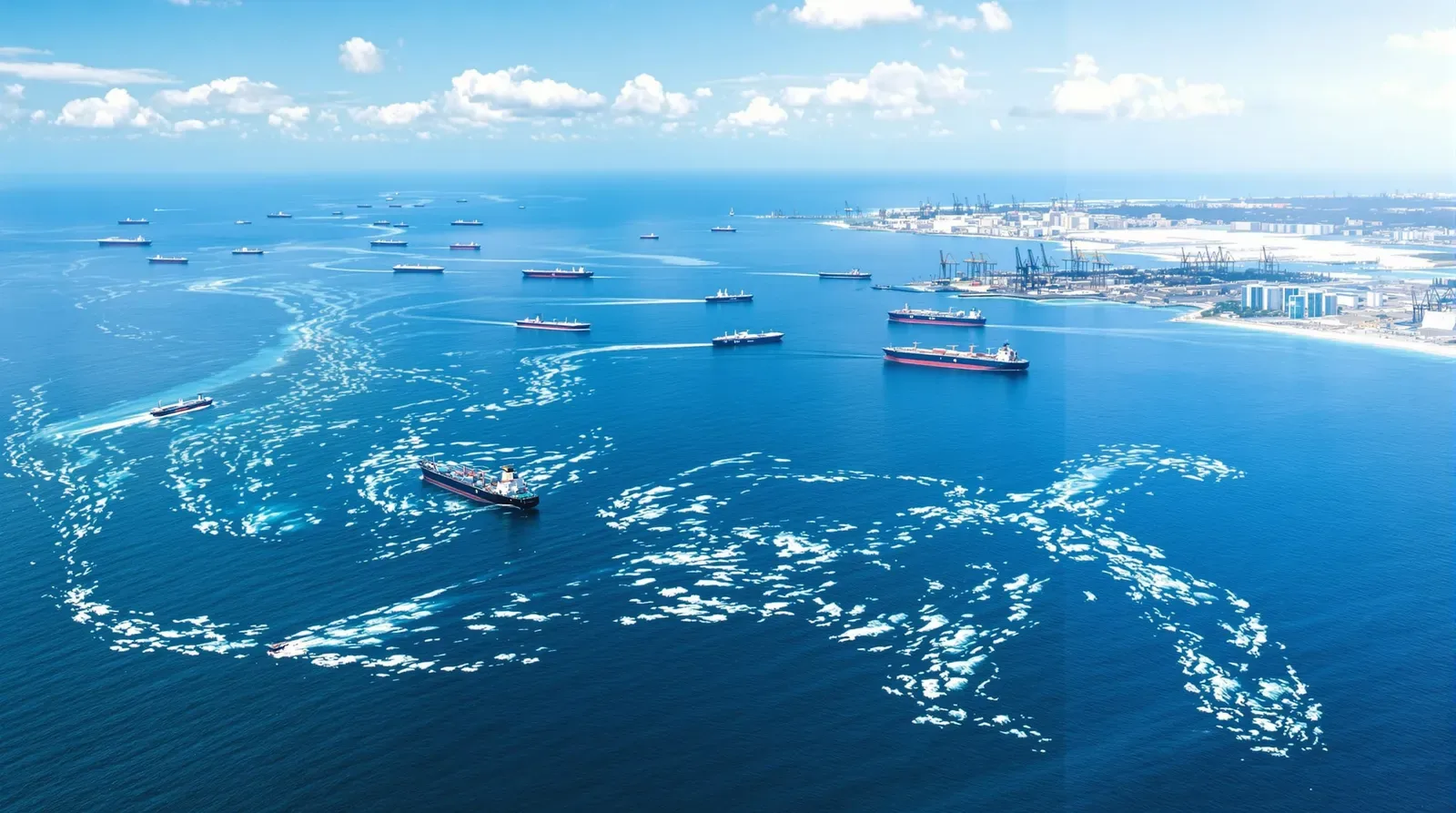
Strategically, maritime cooperation was a pivotal theme, underscoring mutual concerns over freedom of navigation and maritime security in the Indo-Pacific region, particularly within the contentious South China Sea. The declaration of 2026 as the Year of Maritime Cooperation highlights a shared commitment towards strengthening naval interoperability between India and ASEAN nations and addressing threats such as piracy and illegal fishing. India’s active engagement in ASEAN mechanisms underscores its dedication to regional stability amidst competing U.S. and Chinese geopolitical influence in the region.
Why this matters
The summit’s focus on maritime cooperation represents a decisive step in bolstering regional security, vital for maritime trade routes connecting Southeast Asia to global markets. As countries in the Indo-Pacific face growing challenges from piracy, overfishing, and geopolitical tensions, enhanced naval interoperability and collaborative frameworks between India and ASEAN could mitigate risks and safeguard vital shipping lanes.
On the economic front, addressing India’s trade deficit with ASEAN through modernized trade agreements is crucial for fostering balanced growth. By reducing non-tariff barriers, streamlining customs procedures, and advancing digital integration, the partnership could unlock new export opportunities for India while supporting ASEAN’s broader trade objectives.
Infrastructure improvements via projects like the Trilateral Highway and Kaladan Multi-Modal Transport are likely to elevate the economic importance of India's northeastern states as transshipment hubs, boosting regional trade flows. This connectivity is also instrumental for deepening India’s "Act East Policy" and reinforcing strategic alliances against the backdrop of great-power rivalry.
India's sustained engagement in ASEAN structures further cements its role as a stabilizing player in Southeast Asia, particularly as maritime disputes in the South China Sea continue to pose risks to regional autonomy and maritime freedom.
The ASEAN-India 2026-2030 Plan of Action’s comprehensive scope reflects the growing diplomatic and operational depth of the partnership. Maritime operators and shipping companies traversing Indo-Pacific routes will need to monitor developments closely, particularly collaborative security initiatives, which may redefine operational standards in the region. As maritime cooperation intensifies, enhanced naval exercises and anti-piracy measures could reshape risk assessments and insurance premiums for vessels operating in these contested waters.