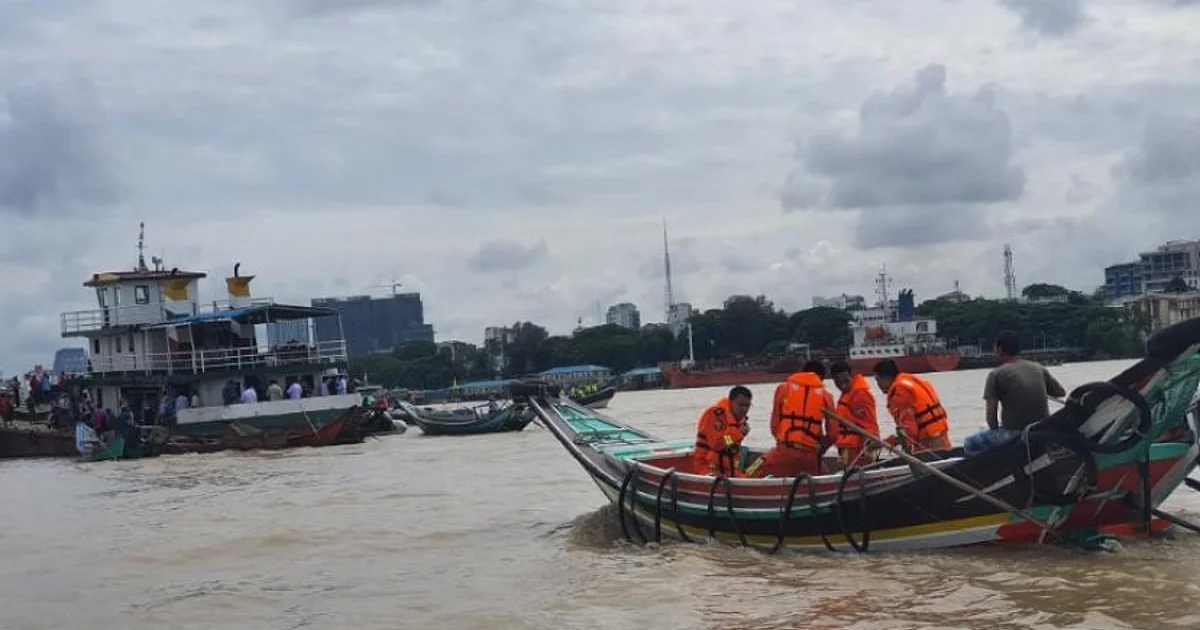
Ferry safety efforts in 2024 saw measurable progress across numerous nations previously regarded as having some of the worst safety records globally. Notably, the Philippines, Bangladesh, Indonesia, and China achieved considerable reductions in ferry accidents, collectively recording just eight incidents resulting in 84 fatalities. This marked a significant downturn in casualties compared to previous years, reflecting dedicated safety initiatives and stricter enforcement measures.
The improvements in these countries' safety records stem from implementing widespread safety strategies, focusing on regulatory enforcement, crew training, and operational monitoring. Governments instituted robust regulatory frameworks mandating compliance with maritime safety standards and coordinated efforts to ensure rigorous adherence. This regulatory push was complemented by expanded training programs aimed at enhancing the skills of crew members and ferry operators. Investment in human capital mitigated risks associated with human error and enhanced overall safety preparedness.
Furthermore, these nations heightened their enforcement efforts by deploying monitoring teams to oversee compliance and penalize rule violations as necessary. By combining regulatory oversight, proper training, and strict enforcement, authorities crafted a safer environment for ferry operations. Consequently, ferry travel in these maritime regions has experienced a dramatic decline in the frequency and severity of accidents, restoring the public's trust in this vital mode of transportation.
Once burdened with higher death tolls than some of the worst-performing regions worldwide, including parts of Africa, the Philippines, Bangladesh, Indonesia, and China have demonstrated how targeted government intervention can transform passenger safety standards. Their collective success provides a blueprint for other nations striving to address persistent risks in ferry transportation.
Why this matters
The marked decline in ferry accidents across these four nations underscores the critical importance of regulatory intervention, effective training, and policy enforcement in maritime safety. For operators and shipowners globally, the outcomes highlight the direct benefits of investing in crew training and compliance systems, which not only enhance safety but also mitigate reputational risks tied to ferry accidents.
Governments and port authorities in regions still facing high ferry-related casualties, such as certain areas in Africa, can leverage these success stories to overhaul their existing frameworks. Implementing similar oversight mechanisms and penalties for non-compliance could substantially reduce incidents and fatalities in high-risk territories.
From a financial standpoint, improving ferry safety reduces litigation costs, operational disruptions, and potential insurance liabilities for operators, especially in regions with developing infrastructure. Reduced accidents directly lower operating risks, bolstering passenger confidence and growing economic opportunities tied to ferry travel.
The collaborative approach seen in the Philippines, Bangladesh, Indonesia, and China demonstrates that government commitment, coupled with industry compliance, can transform maritime safety outcomes regardless of historical safety records or operational challenges.
As passenger traffic continues to grow in developing maritime regions, industry stakeholders and regulatory bodies must pivot towards integrated safety systems modeled on these successful interventions. These strategies are not merely optional but increasingly essential for reducing maritime casualties and fostering sustainable growth in global ferry transportation networks.