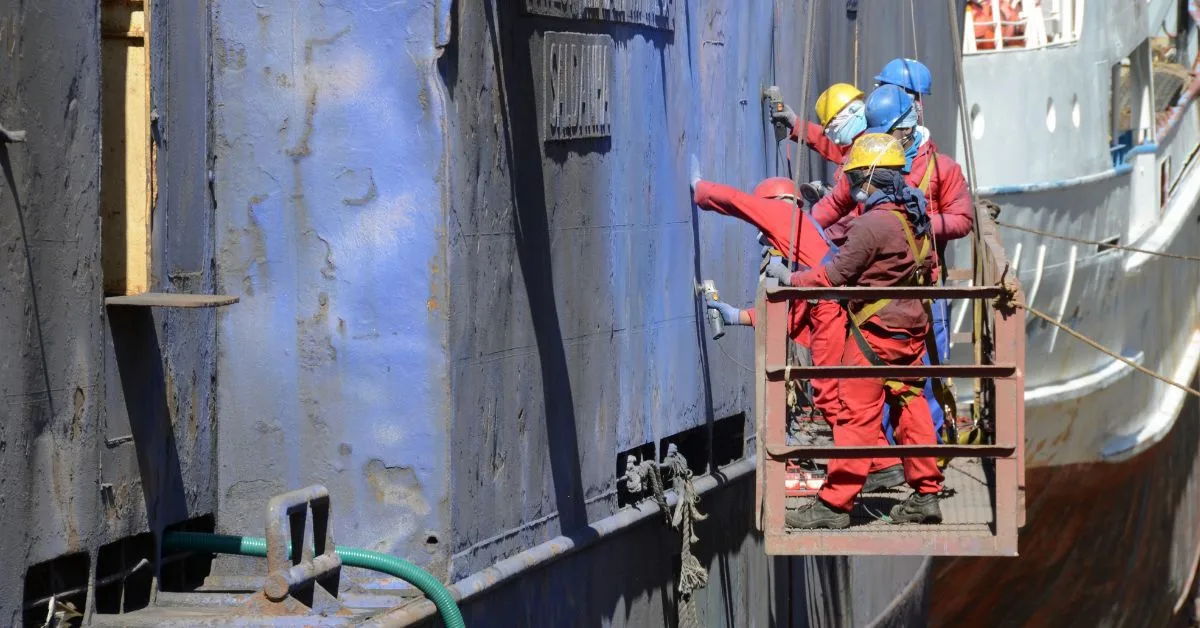
Thirty-two Filipino seafarers have been rescued and repatriated to the Philippines following cases of severe mistreatment, contract manipulation, and wage theft while employed by a local shipping company in Fiji. The Philippine Department of Migrant Workers (DMW) confirmed that the crew experienced significant contract violations, including substitution clauses that reduced their promised monthly salary from ₱60,000 to just ₱20,000. Prolonged payment delays and maltreatment worsened their conditions during their deployment.
The operation to bring the seafarers home was conducted in coordination with the Overseas Workers Welfare Administration (OWWA) and Fijian authorities. According to the DMW, this intervention followed orders from Philippines President Ferdinand R. Marcos Jr., who has prioritized the protection of overseas Filipino workers. Labour Attaché Antonio Mutuc Jr. was instrumental in facilitating the rescue effort, visiting the affected crew in Fiji and organizing their safe return to Manila.
Upon their arrival, each rescued seafarer was granted ₱50,000 in financial relief from the government’s AKSYON Fund. They also received psychosocial support and reintegration assistance to aid their recovery and adjust to life back home after facing significant hardships abroad. Authorities have assured continuing support to help prevent further exploitation.
This case has triggered an investigation by the DMW into the employer and the recruitment agency involved, with indications of potential disciplinary and legal actions against violators of Philippine labor and recruitment regulations. The agency further underscored the importance of Filipino workers verifying the credibility of recruitment agencies and the authenticity of employment contracts before embarking on overseas employment.
Why this matters
The plight of these 32 seafarers highlights vulnerabilities faced by Filipino maritime workers deployed overseas, emphasizing the risk of exploitation when employment contracts are improperly vetted. This case illustrates key systemic issues such as wage theft, contract substitution, and insufficient oversight of international labor agreements, which can severely impact workers’ welfare and morale.
For shipowners and operators, these events underline the growing scrutiny of labor practices regarding globally recruited maritime personnel. Failure to comply with laws protecting foreign workers not only invites reputational damage and legal penalties but can disrupt fleet operations if recruitment channels are restricted by government action.
Regulatory enforcement in labor supply nations, such as the Philippines, is likely to tighten following incidents like this one. Recruitment agencies and employers must prepare for closer monitoring, stricter vetting, and increased accountability measures to safeguard seafarers from exploitation.
Looking ahead, operators and contractors employing Filipino and other foreign seafarers should prioritize compliance with labor laws, enhance recruitment transparency, and offer fair terms to ensure operational continuity amidst shifting regulatory landscapes. The maritime workforce remains one of the most critical components in global shipping, necessitating rigorous protection of their rights.