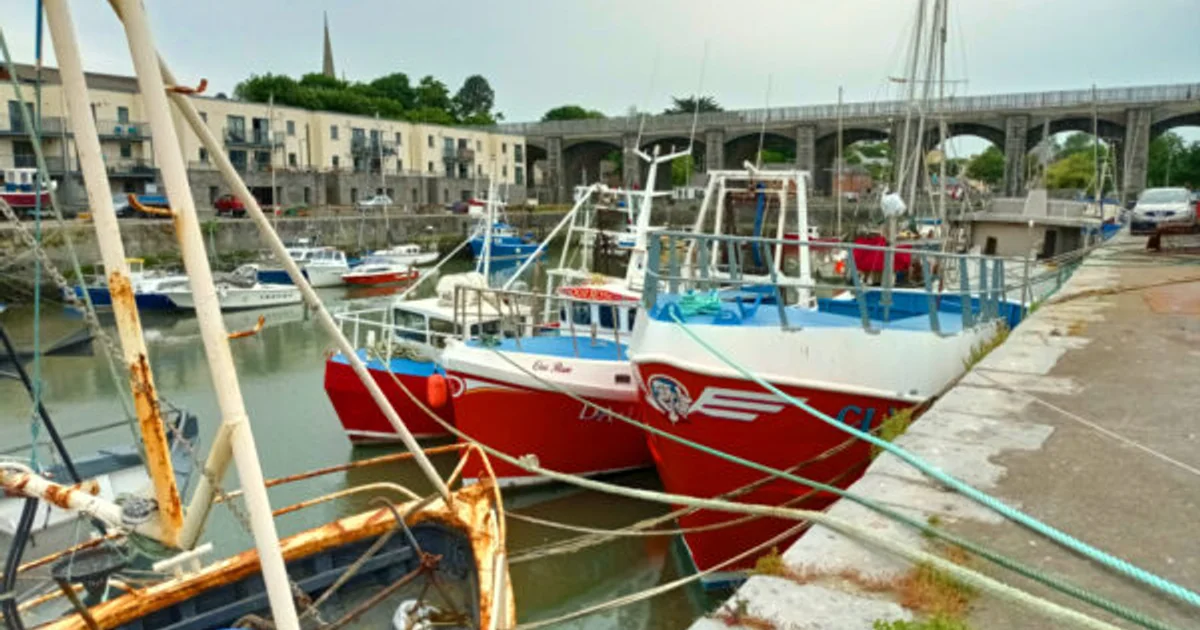
The Joint Committee on Fisheries and Maritime Affairs is convening today, October 21, at Leinster House, Dublin, to address pressing infrastructure and operational challenges affecting Ireland's fishing ports and harbours. The meeting, scheduled for 11:00 am in Committee Room 2, will be divided into two sections, bringing together key stakeholders involved in port management, safety, and fisheries operations.
The opening session will see contributions from representatives of the Royal National Lifeboat Institution (RNLI), a pivotal entity in maritime rescue and safety oversight, alongside members of the Seafood Ireland Alliance, which advocates for the seafood industry’s trade interests. Other participants include the Irish Islands Marine Resource Organisation (IIMRO), known for its focus on sustainable fisheries, and the National Inshore Fishermen’s Association (NIFA), representing Ireland’s inshore fishing communities. The session will delve into issues surrounding safety protocols and the operational capacity of fishing ports.
Following a short recess, the second session will commence at 12:20 pm, featuring insights from the County and City Management Association (CCMA) on local governance strategies for port administration. Officials from the Department of Agriculture, Food and the Marine (DAFM) are also slated to speak, outlining government policies, infrastructure investment priorities, and mechanisms for supporting the fishing industry. Discussions are expected to cover infrastructure condition assessments, funding allocation concerns, and the implications for Ireland’s maritime economy.
These deliberations aim to bolster the operational efficiency and safety of Ireland’s fishing harbours, which are central to the country’s food security and economic stability. Stakeholders will seek to identify actionable steps to address infrastructure deficiencies, improve safety standards, and ensure long-term sustainability within the sector.
Why this matters
Fishing ports and harbours are lifelines for Ireland’s fisheries sector, supporting livelihoods, seafood exports, and regional economies. However, inadequate infrastructure and safety protocols compromise operational efficiency and expose vessels and crews to heightened risks. Port upgrades and safety improvements are critical for maintaining uninterrupted operations, reducing incidents, and fostering sustainable fishing practices.
The involvement of organisations such as RNLI and NIFA ensures that safety and small-scale fishing community concerns take centre stage, while CCMA and DAFM contributions highlight governance and policymaking efforts to uplift the sector. If current deficiencies are left unaddressed, Ireland’s fishing industry faces challenges in adapting to evolving market and regulatory demands.
As stakeholders convene, the alignment of local needs with national policy frameworks will determine the pace and impact of infrastructure enhancements. For port operators and vessel owners, specific recommendations from this dialogue may set the stage for future funding and operational adjustments.
The committee discussion is likely to shape immediate and long-term priorities for addressing fishing port infrastructure gaps, guiding investment in both physical and operational upgrades necessary for maritime safety and resilience.