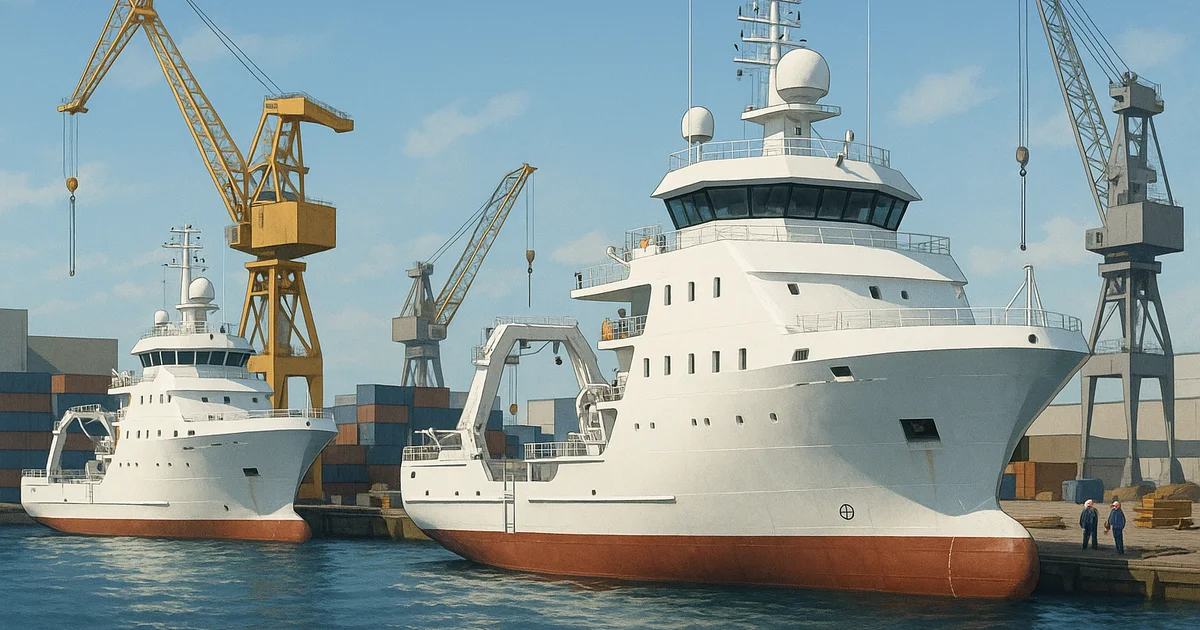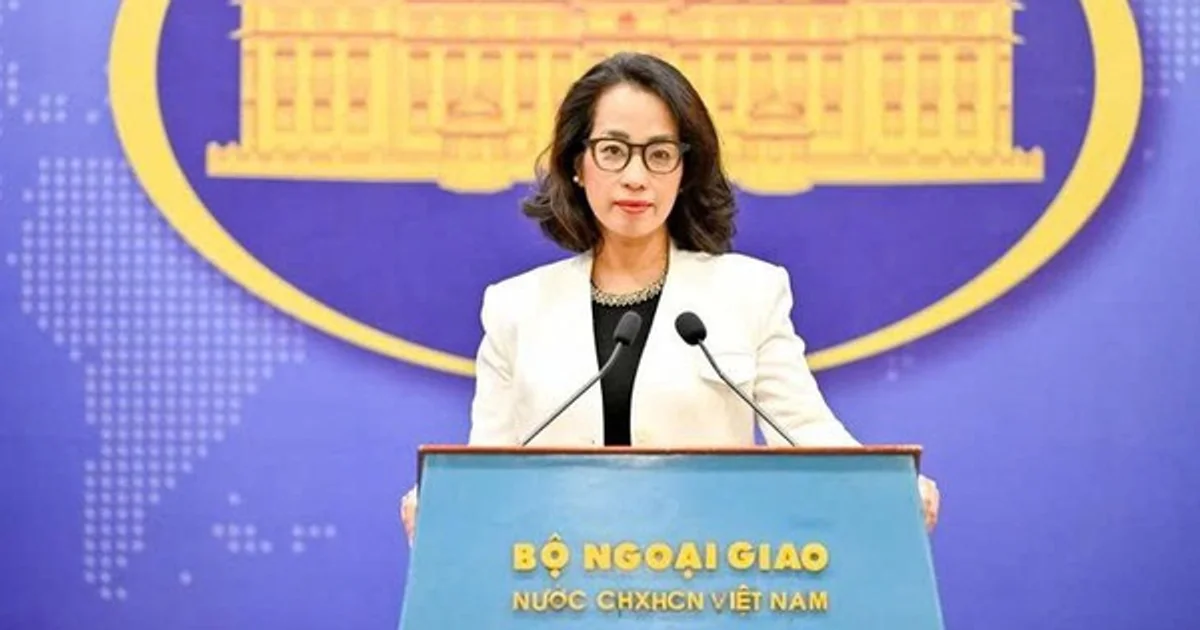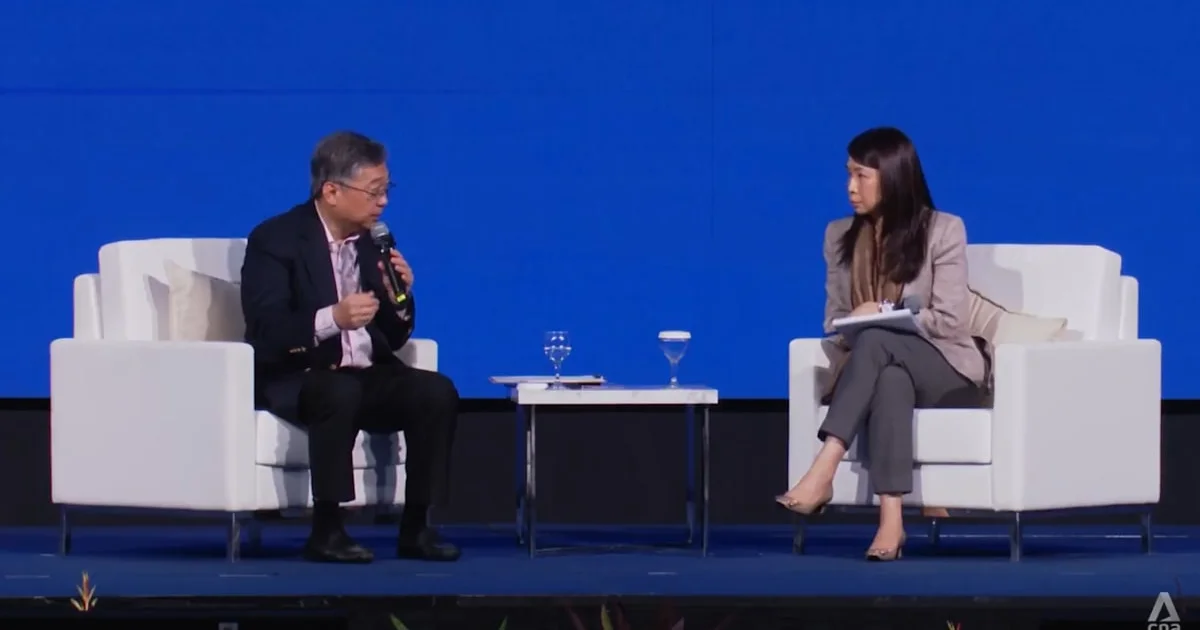
France has reaffirmed its commitment to bolstering Nigeria’s maritime security as part of its broader bilateral agenda, according to remarks by Ambassador Marc Fonbaustier. The collaboration represents a multidimensional partnership that spans security, economic development, cultural exchange, and environmental sustainability. With Nigeria’s strategic position in Africa’s maritime corridor and growing trade potential, France is leveraging its expertise to address challenges such as terrorism, pollution, and overfishing in Nigerian waters.
Ambassador Fonbaustier underscored the deepening ties between the two nations, citing milestones such as President Olusegun Obasanjo’s official visit to France in 2000 and collaborative efforts on debt relief during the early 2000s. He highlighted the ongoing contributions of Agence Française de Développement (AFD), which has been active in Nigeria since 2008. AFD has focused on improving energy access, public transportation systems, and urban infrastructure. One notable example includes loans aimed at upgrading healthcare facilities in Oyo State, a reflection of France’s involvement in critical sectors to support Nigeria's expansive urban population growth.
In agriculture, French companies such as NutriK and Danone have significantly invested in local initiatives, fostering food security and job creation through private sector partnerships. Meanwhile, Nigerian exporters have begun accessing French markets with high-value agricultural products, signaling a shift toward mutual economic benefit. Vocational training programs enhance this exchange by equipping farmers and workers with the skills needed to thrive in competitive agribusiness landscapes. Similarly, cultural collaboration has gained prominence, with the French Embassy actively investing in Nigerian artists to amplify their economic impact. Initiatives such as the Forum Creation Africa, scheduled to convene in Lagos, aim to bridge cultural ties and build capacity in the creative sector.
Environmental sustainability remains a central theme, particularly in addressing Nigeria’s urbanization and ecological demands. France has introduced decarbonization initiatives focused on public transportation and renewable energy opportunities, including discussions around wind and mini-hydroelectric projects. Maritime security is also top of the agenda, with France offering technical expertise to combat oceanic threats such as pollution and illegal fishing. Ambassador Fonbaustier emphasized the role of scientific research in these efforts, aiming to integrate ocean resource management into Nigeria’s socio-economic framework effectively.
Why this matters
Nigeria’s maritime corridors play a pivotal role in regional trade and global shipping routes, making its security and environmental management critical for maintaining uninterrupted international commerce. France’s emphasis on maritime support addresses immediate operational risks such as illegal fishing and ocean pollution, while Portugal contributes expertise that can help modernize Nigeria's surveillance capabilities and port management.
The bilateral partnership also has broader implications for shipowners and operators navigating Nigerian waters, with France’s involvement potentially reducing risks associated with piracy and ensuring port operational efficiency. Furthermore, the focus on energy decarbonization aids Nigeria’s compliance with international carbon reduction goals, including commitments under frameworks like the Paris Agreement and upcoming maritime decarbonization targets.
Agribusiness and cultural cooperation similarly create new opportunities for stakeholders ranging from exporters to creative professionals, highlighting the interconnected economic benefits of such a deep-rooted partnership. France’s support across urban transport infrastructure and food security ensures Nigeria’s preparedness against rapid urbanization and economic shocks, benefitting both public systems and private operators.
The upcoming UN Ocean Conference will likely crystallize France’s maritime role in the region, offering clearer frameworks for pollution control and fisheries management cooperation. Operators in Nigeria should watch for further investment announcements that enhance operational stability and promote compliance with international safety and environmental benchmarks.