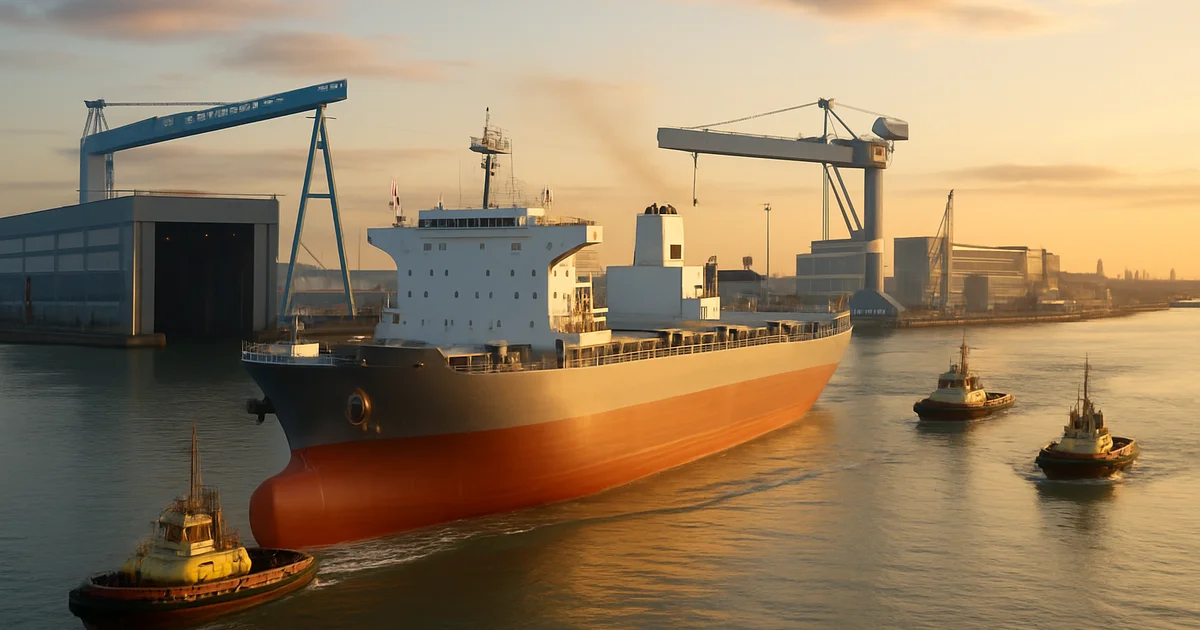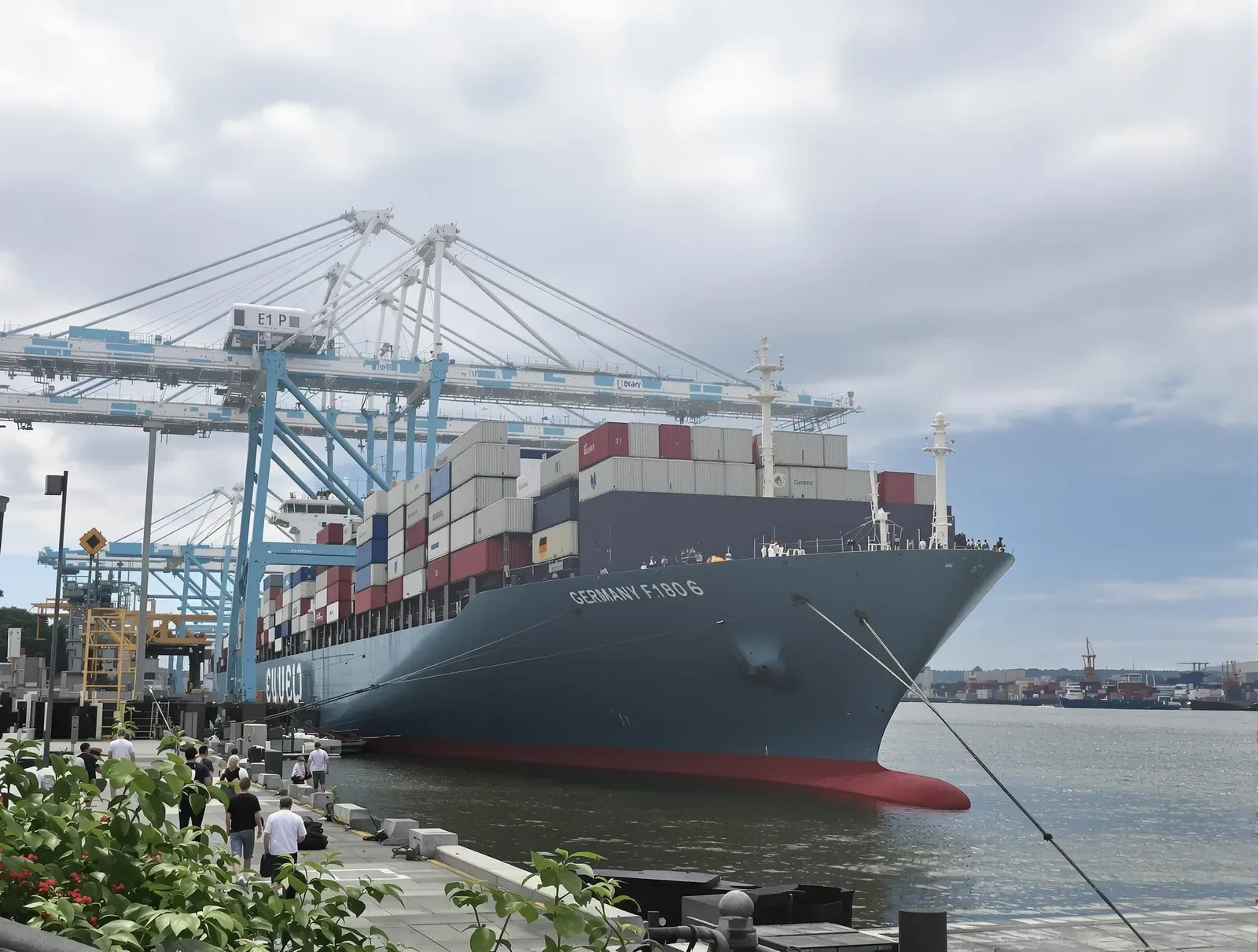
Germany has intensified efforts to position itself as a leader in environmentally sustainable shipping, leveraging advanced technologies and policy frameworks to reduce greenhouse gas emissions across its maritime sector. Ports such as Hamburg and prominent German shipyards along the North Sea are at the forefront of initiatives targeting a transition to greener operations, actively implementing alternative fuels, shore power solutions, and digital innovations.
A substantial shift is evident in fuel adoption. German-flagged vessels are increasingly relying on liquefied natural gas (LNG), biofuels, and hydrogen as primary propulsion alternatives to conventional marine fuels. These cleaner options are markedly reducing emissions, aligning with European Union emission mandates. Meanwhile, shore-side electricity infrastructure has been introduced at major ports, enabling vessels to cut engine use during loading and unloading operations, which significantly lessens air pollution at the dockside.
Technology integration is also playing a critical role. The use of advanced digital tools, such as artificial intelligence for route optimization and real-time emissions monitoring systems, is driving both operational cost savings and environmental efficiency. These initiatives bolster operational sustainability at a time when regulatory compliance demands are intensifying.
Policy has been pivotal in driving this transition, with the German government spearheading change through frameworks such as its “National Hydrogen Strategy.” Supported by European Union-backed environmental regulations, these policies incentivize the adoption of alternative energy sources and the expansion of necessary fueling and infrastructure networks. Industry partnerships between governments, shipowners, and technology providers further complement these commitments to achieving climate goals.
Despite these significant measures, challenges persist. High initial investment requirements for alternative propulsion technologies and fueling stations remain barriers, alongside technical difficulties in developing universally adopted standards for fueling and emissions tracking across the global fleet. Germany’s efforts, however, demonstrate its resolve to overcome these obstacles as it seeks to set the benchmark for sustainable maritime trade.
Why this matters
The transformation seen in Germany’s maritime landscape highlights operational, regulatory, and commercial shifts impacting shipowners and ports. Transitioning to cleaner fuels and adopting shore power standards could make German ports more attractive to operators seeking cost-effective compliance with emissions mandates, fostering commercial competitiveness. Simultaneously, the mandatory development of LNG, hydrogen, or biofuel refueling infrastructure will require port authorities and shipowners to collaborate more closely, reshaping investment strategies.
For shipowners trading in European waters, Germany’s initiatives may trigger wider adoption of EU climate measures, especially as regulatory compliance through green shipping technologies becomes a decisive competitive factor. These developments also underscore potential changes to charter markets, where energy-efficient vessels are expected to command higher premiums.
Germany is charting a path that the global maritime industry will watch closely. As international emissions regulations tighten, operators across sectors must weigh alternative propulsion investment against long-term compliance needs. Port operators, shipyards, and technology providers alike should monitor how Germany’s hydrogen strategy and shore power capabilities converge into scalable frameworks for future fleet management.
The next operational implication to watch will be the broader commercialization of hydrogen-powered ship prototypes and scalable fueling networks, which, if successful, could reshape the entire supply chain for greener maritime logistics in Europe and beyond.