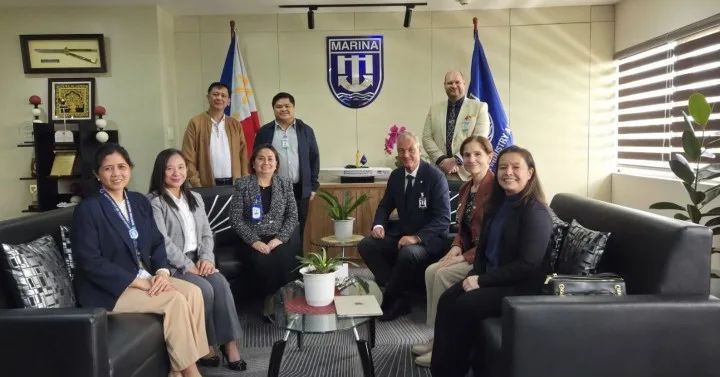
Manila played host to the International Seafarers' Conference (ISC) from September 1-4, 2025, where the Maritime Industry Authority (*MARINA*) of the Philippines spearheaded a series of bilateral discussions aimed at deepening global maritime partnerships. With an agenda centered on maritime education, seafarer protections, and compliance with international shipping standards, the conference saw robust engagement between *MARINA* officials and over 30 delegations from around the world. Administrator *Sonia Malaluan* led the Philippine delegation alongside *Samuel Batalla*, Executive Director of the STCW Office, and representatives from the Department of Foreign Affairs (*DFA*). Their efforts reaffirmed the Philippines' strategic commitment to advancing the rights and welfare of its seafarer workforce, a highly valued segment in global shipping operations.
On the conference's opening day, discussions commenced with representatives from New Zealand, focusing on mutual recognition of certifications and educational collaboration under the STCW framework of 1978, as amended. Subsequent days broadened the scope of dialogues with delegations from Myanmar, Georgia, Greece, Mexico, Oman, and Sri Lanka. Particular emphasis was placed on bolstering bilateral cooperation related to the training of seafarers, ensuring robust safety measures, and addressing systemic maritime workforce vulnerabilities.
*MARINA* representatives also lobbied for international support as the Philippines formally reiterated its nomination for a seat on the International Maritime Organization (*IMO*) Council. Such positioning would enable the Philippines to further advocate on behalf of global seafarers and align policy priorities with the needs of its maritime workforce. An essential agenda item across the discussions was securing recognition for certificates issued by the Philippines, ensuring that Filipino seafarers remain eligible to work under international standards. This recognition not only maintains critical employment channels but also creates potential growth opportunities for the nation's mariners.
The *ISC* gathered more than 200 participants, spanning government leaders, representatives from shipping organizations, labor advocates, and other maritime stakeholders. Held under the theme of "Seafarers’ Human Rights, Safety, and Well-being," the conference underscored the industry's collective focus on improving protections and operational conditions for seafarers worldwide. Filipino officials emphasized their commitment to fostering mutual exchange and harnessing international goodwill to elevate training protocols and employment prospects for the seafaring community.
Why this matters
The bilateral engagements at the *ISC* highlight the Philippines’ unique position as a critical provider of seafaring talent to the global shipping industry. Its workforce accounts for a significant share of the world’s maritime employees, making the recognition of Filipino-issued certifications pivotal for maintaining employment continuity and growing new job opportunities. Such measures not only bolster maritime education frameworks but also safeguard Filipino seafarers’ presence in international waters.
Beyond the workforce implications, the Philippines’ pursuit of a seat on the *IMO* Council demonstrates its broader ambitions to shape policy at the highest levels of maritime governance. Achieving this position would allow it to further advocate for reforms aimed at enhancing seafarer welfare, strengthening maritime safety compliance, and ensuring diverse representation in leadership roles within the global maritime community.
For shipowners and operators reliant on Filipino crew, the assurance of certification recognition and continued alignment with *IMO* standards will remain critical drivers for smooth international operations. Collaborative outcomes from these bilateral dialogues stand to influence best practices industry-wide, especially in areas such as training, recruitment, and welfare enhancements.
As these initiatives unfold, industry stakeholders will closely monitor whether *MARINA* secures an *IMO* Council position, a potential pivot point in maritime diplomacy that could usher in enhanced influence for the Philippines in driving global standards and policy reforms.