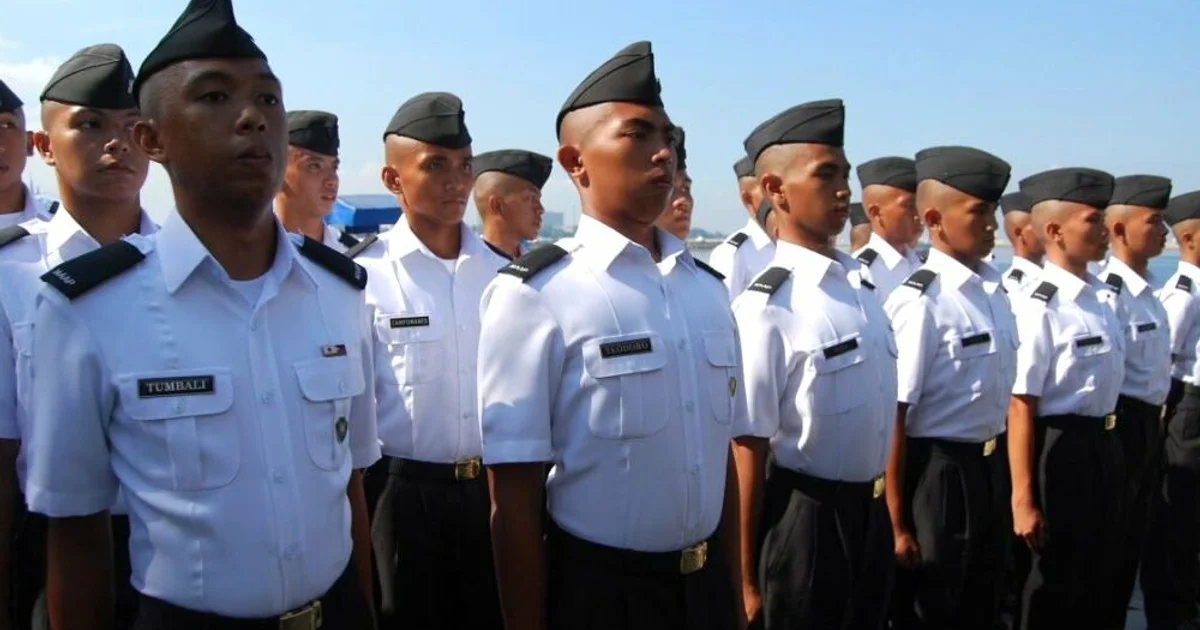
A landmark declaration aimed at strengthening protections for seafarers has gained international support following its adoption at a Philippine government-led conference in Manila. The Manila Declaration on Seafarers’ Human Rights, Safety and Well-Being articulates eight key commitments to address pressing issues faced by maritime workers. These challenges include navigating global health crises, geopolitical conflicts, and industry-wide transitions. The declaration’s adoption demonstrates a collective emphasis on prioritising seafarer welfare as the maritime industry evolves.
Carlos Sorreta, the Philippine permanent representative to the United Nations in Geneva, hailed the declaration as a forward-thinking framework. He noted that its design reflects current realities while aiming for equitable, sustainable, and efficient maritime operations. “These commitments are not static,” Sorreta said. “They will evolve to meet the challenges faced by seafarers, ensuring their rights and safety remain at the forefront of international focus.”
The eight core commitments detailed in the Manila Declaration include:
- Upholding Human Rights: A perpetual commitment to safeguarding seafarers’ human rights.
- Enforcing the Maritime Labour Convention: Strengthened efforts for compliance with this international treaty, ensuring comprehensive protection for seafarers’ workplace rights and conditions.
- Crisis Preparedness: Developing robust strategies for emergencies and global disruptions impacting maritime workers.
- Right to Refuse: Guaranteeing sailors the right to decline assignments in high-risk areas without fear of punitive measures.
- Corporate Human Rights Due Diligence: Urging maritime companies to integrate human rights as an essential aspect of their operational frameworks.
- Women Empowerment: Advancing gender equality and empowerment across the maritime workforce.
- Transition Amid Digitalisation and Decarbonisation: Supporting a fair transition for seafarers as the industry shifts toward technological innovation and environmentally sustainable practices.
- International Cooperation: Promoting global collaboration to enhance the quality of maritime education and training.
To date, ten nations—including Bangladesh, Germany, Malaysia, Myanmar, the Netherlands, New Zealand, Norway, the Philippines, Spain, and the United Kingdom—have formally endorsed the Manila Declaration. Support for this initiative reflects growing recognition of the need to establish universal standards for seafarer welfare. The collective endorsement further underscores the critical role of seafarers in sustaining the global economy and maintaining maritime supply chains.
Why this matters
The Manila Declaration is poised to provide a new operational and regulatory benchmark for how seafarers are treated across the globe. By codifying principles such as crisis preparedness and human rights safeguards, maritime employers and states are likely to face enhanced accountability measures. For shipping operators, compliance with the declaration’s commitments—particularly regarding adherence to the Maritime Labour Convention—may require overhauling crew management practices, training protocols, and assignment policies. This could result in broader operational implications for charterers and ship managers navigating an increasingly stringent regulatory climate.
Emphasis on gender equality, corporate human rights due diligence, and environmental transition ensures that the document aligns with ongoing industry imperatives such as decarbonisation and digitisation. These priorities, indispensable to meeting future compliance challenges, reinforce the declaration’s dual focus on safeguarding mariner rights while anticipating technological and environmental disruptions. Furthermore, the push for international cooperation in maritime education and training carries strategic significance as operators prepare for shifts in the industry’s skill requirements.
Global adoption of this declaration could incentivise insurance providers and classification societies to revisit their frameworks around crew welfare and risk exposure. For shipowners and flag states, the stakes now include reputational consequences for failing to implement adequate protective measures, both in peacetime and during crises.
As industry players digest the Manila Declaration’s implications, the pathway will likely evolve toward tighter enforcement mechanisms, particularly regarding the right to refuse assignments in hazardous zones. Stakeholders should watch for additional endorsements and partnerships as more countries and maritime companies signal their commitment to these principles in the coming months.