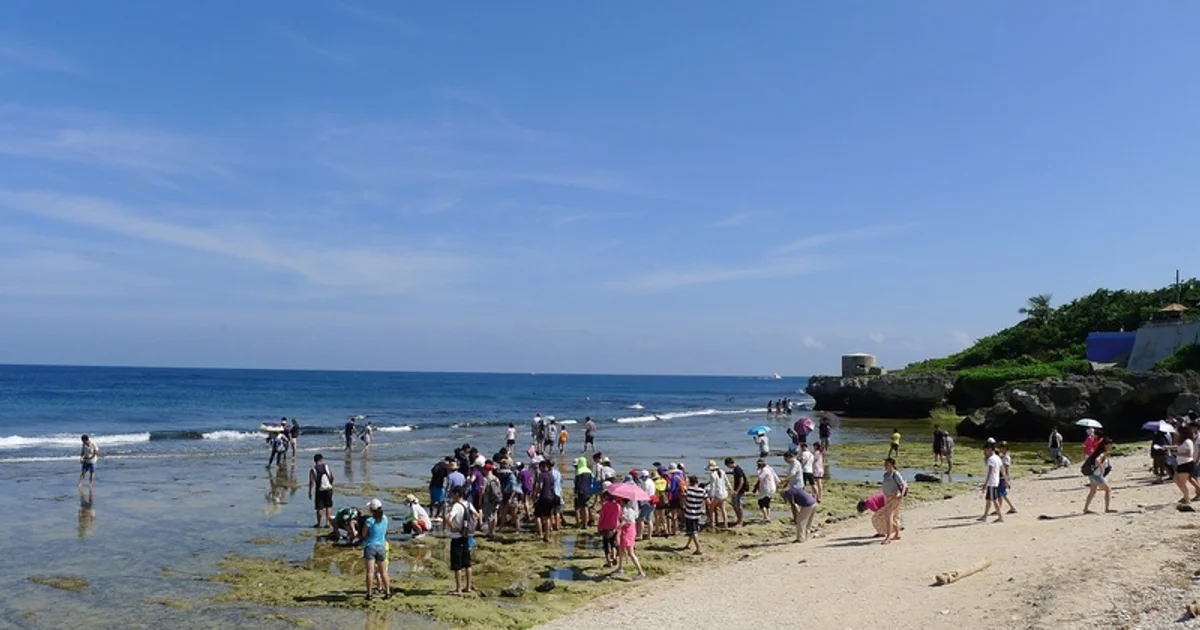
Taiwan’s Control Yuan has issued corrective orders against four government agencies following a report which disclosed the worsening condition of coral reefs in Xiaoliuqiu. On December 11, 2023, the Control Yuan cited alarming ecological degradation, including a plunge in coral cover from 30–50% before 2015 to a mere 11.9% between 2021 and 2023, marking the lowest levels recorded in Taiwan. The findings were laid out in a report co-authored by members Dr. Lin Sheng-fong and Fan Sun-lu, which pointed to overtourism and inadequate management as primary factors contributing to the decline.
The accountability measures targeted four entities: Dapeng Bay National Scenic Area Headquarters (DBNSAH), the Tourism Administration, the Ocean Affairs Council, and the Pingtung County Government. Among the issues cited were insufficient controls on snorkeling and intertidal zone tourism, which have significantly reduced biodiversity. The DBNSAH drew criticism for delays in implementing sustainable tourism frameworks despite commissioning an evaluative study on visitor capacity years earlier. Although the Ocean Affairs Council recommended reevaluating tourist limits under the Act for the Development of Tourism as far back as 2022, DBNSAH action has only begun this year, leaving Xiaoliuqiu vulnerable to continued overuse. Furthermore, the Tourism Administration was faulted for failing to adequately supervise DBNSAH’s operations, while the Pingtung County Government did not enforce intertidal zone tourist restrictions effectively.
Marine protection shortcomings compounded the problem. The report noted that despite some restrictions introduced in 2022, enforcement remains insufficient in critical areas, and corals are yet to receive protected status under designated marine conservation frameworks. The Ocean Affairs Council was also found lacking in its responsibility for nutrient salt regulation, an issue crucial to coral health. Taiwan’s nutrient salt standards remain less stringent than those of nearby nations, leaving corals vulnerable to excess salt concentrations and algal blooms fed by runoff from substandard wastewater treatment plants on Xiaoliuqiu.
The Control Yuan has called for immediate rectifications, urging the Ocean Affairs Council and Pingtung County Government to adopt robust management practices, impose suitable tourism caps, and upgrade wastewater treatment facilities to address the environmental crisis threatening this critical ecosystem.
Why this matters
The ecological decline of Xiaoliuqiu’s coral reefs has operational implications for tourism-dependent stakeholders and local authorities. Without effective controls, the risk to biodiversity from overtourism may lead to long-term damage to the island’s appeal as a destination. Coral degradation also threatens fish stocks, which could impact small-scale fishery operations, as well as broader marine biodiversity critical to sustaining local economies.
Maritime operators, including passenger vessel services to Xiaoliuqiu, may face disruptions as stricter tourist quotas are introduced. If coral reefs are granted protected status, vessels operating near marine zones may need to comply with revised navigational and ecological regulations. Infrastructure upgrades like wastewater treatment plants also present significant costs and logistical challenges for regional authorities.
The lax enforcement of nutrient salt regulations raises concerns about Taiwan’s broader capacity to maintain marine environmental standards comparable to neighboring countries, a factor which could influence foreign investment or tourism trade routes reliant on sustainable practices.
Moving forward, maritime operators and stakeholders should closely monitor regulatory shifts stemming from Control Yuan directives, including potential restrictions on vessel traffic near ecologically sensitive areas. Conservation measures will likely intensify, requiring stronger compliance by both government agencies and private operations tied to Xiaoliuqiu’s tourism sector.