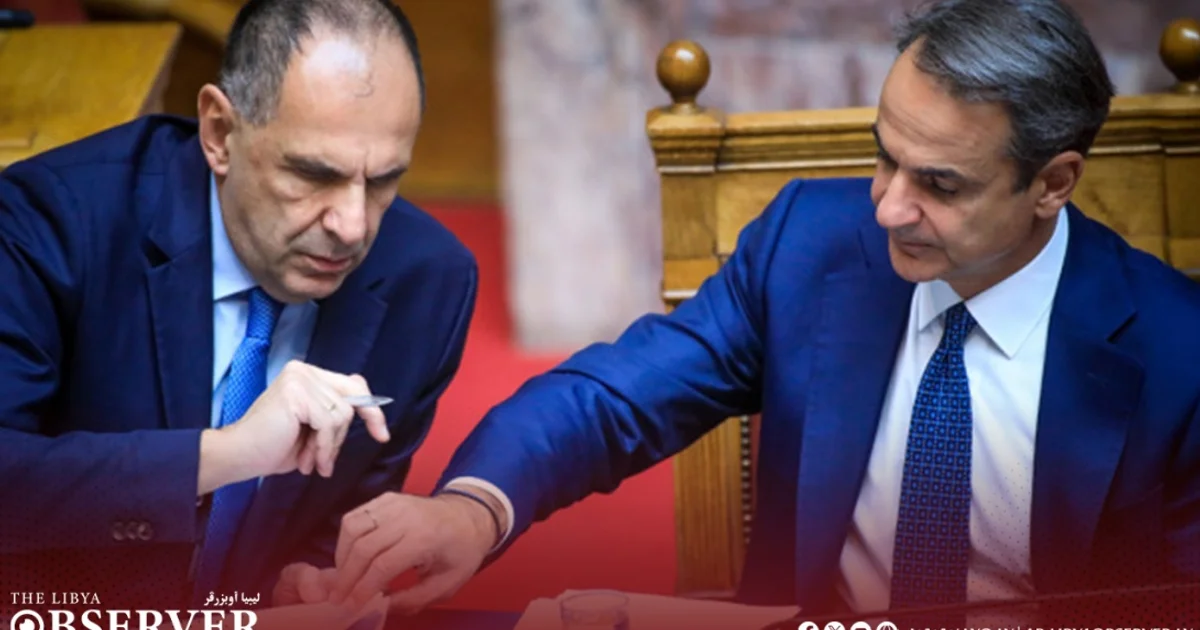
Greece has reinitiated efforts to establish an Eastern Mediterranean Forum, aiming to unite coastal nations—including Turkey and Libya—under a framework addressing migration, maritime boundaries, environmental protection, and connectivity. Greek Prime Minister Kyriakos Mitsotakis unveiled the proposal in parliament, promising invitations to all regional states while underscoring the necessity of adherence to international law, specifically the United Nations Convention on the Law of the Sea (UNCLOS). The platform, he stated, would strengthen Greece’s ability to safeguard its maritime interests through dialogue.
The envisioned forum seeks to include key participants such as Greece, Cyprus, Turkey, Egypt, and Libya, focusing on five strategic domains: migration management, marine environmental preservation, maritime zone delimitation, civil protection coordination, and connectivity between ports and shipping corridors. The Greek Foreign Ministry has been tasked with assessing the feasibility of this initiative and its potential to evolve into a standing mechanism for multilateral cooperation. Mitsotakis also signaled that Greece remains committed to fostering collaboration grounded in fairness and international norms.
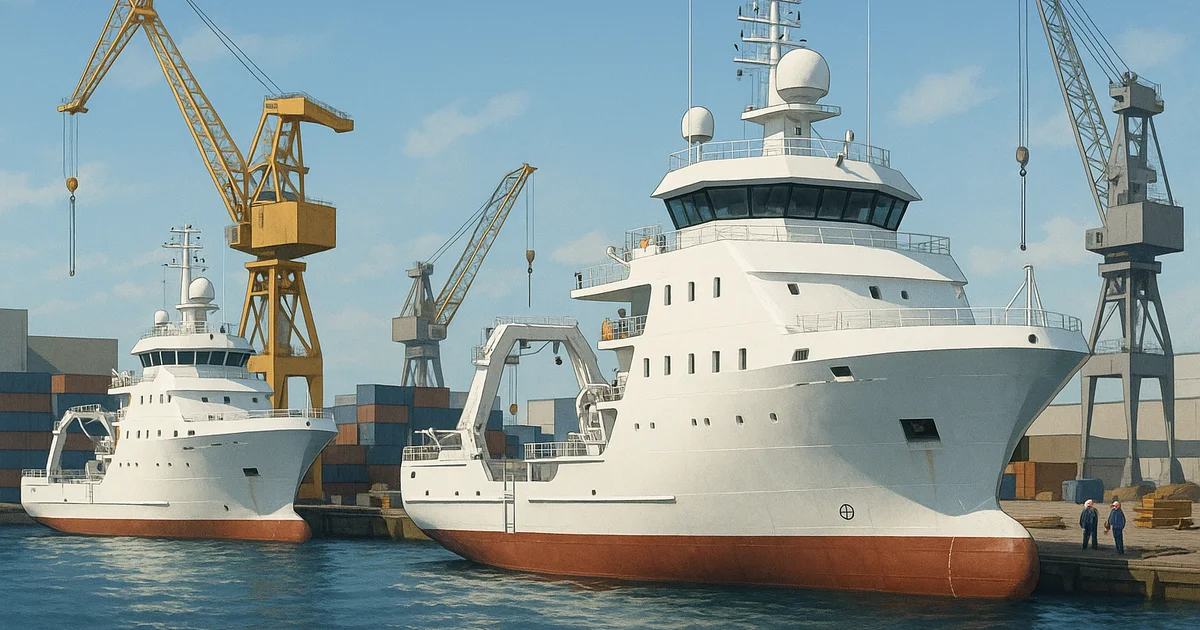
The forum concept traces back to an idea initially raised by Turkish President Recep Tayyip Erdoğan, who advocated for equitable resource distribution in the Eastern Mediterranean. Momentum grew in 2020 with backing from then-European Council President Charles Michel, following tensions sparked by Turkey’s deployment of the Oruç Reis research vessel into contested waters. However, progress stalled amid disputes over forum structure, membership criteria, and the legal weight of agreements.
Mitsotakis acknowledged the initiative’s challenges but stressed that forging a cooperative framework would facilitate stability in a region marked by competing territorial claims and jurisdictional ambiguity. The revival of this effort comes at a time when overlapping energy interests, migration routes, and maritime law disputes continue to shape geopolitics in the region.
Why this matters
The Eastern Mediterranean Forum has the potential to reshape maritime cooperation and resource management in one of the world's most contentious waterways. Shipowners and operators serving routes in the region could benefit from enhanced clarity over maritime boundaries, facilitating safer navigation and robust enforcement of international shipping regulations. Nations could use the platform to resolve long-standing disputes over Exclusive Economic Zones (EEZs), particularly those linked to offshore energy reserves.
Additionally, coordinated action on migration could significantly streamline port controls and vessel operations for maritime actors transporting humanitarian aid or managing the flow of refugees. Environmental initiatives, including agreements to mitigate pollution and marine ecosystem damage, may reduce regulatory uncertainty for both commercial and industrial stakeholders.
Finally, if successful, the forum could offer participating nations new opportunities to fortify their connectivity infrastructure, including port development and shipping network optimization, bolstering overall regional trade volume.
The operational success of this initiative remains contingent on overcoming political hurdles that derailed earlier attempts. Maritime operators, energy companies, and regional governments will need to watch closely as the Greek Foreign Ministry shapes its feasibility report and formal invitation process in the coming months.