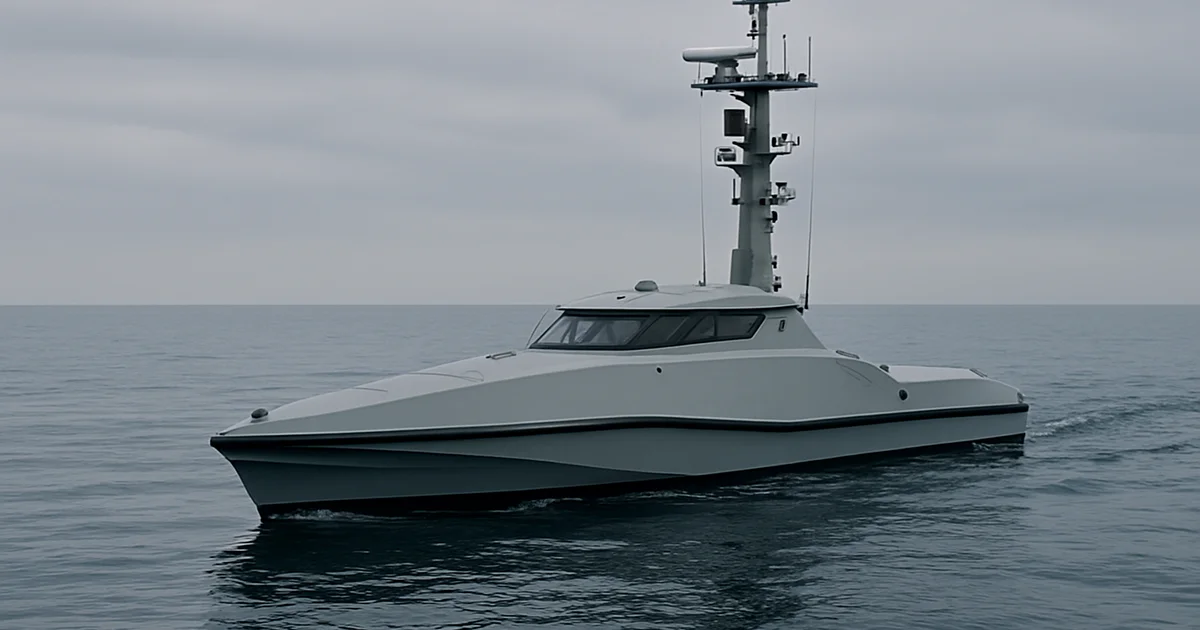
HD Hyundai and Anduril Industries have successfully demonstrated an autonomous vessel for the US Navy, marking a significant development in naval technology. The demonstration showcased advanced capabilities in autonomous operations, underscoring the potential integration of unmanned systems into naval fleets.
The autonomous vessel is equipped with cutting-edge navigation and control systems, capable of performing complex missions with minimal human intervention. As part of the demonstration, the vessel executed a series of maneuvers under various operational scenarios, providing insights into its potential applications in naval operations.
According to Anduril Industries, the vessel leverages advanced artificial intelligence and machine learning technologies to enhance situational awareness and decision-making. This capability is integral to the vessel's performance in dynamic and challenging maritime environments.
HD Hyundai provided vital engineering support and expertise in vessel construction, integrating robust design principles suitable for autonomous operations. The collaboration between HD Hyundai and Anduril illustrates the growing trend of partnerships between traditional shipbuilders and technology firms in the pursuit of innovative maritime solutions.
Why this matters
The demonstration of the autonomous vessel aligns with the US Navy’s strategic vision to incorporate more unmanned systems into its operations. Such technologies promise to enhance patrol and reconnaissance missions while reducing risk to human personnel. The initiative is part of broader efforts to modernize naval capabilities and maintain technological superiority.
Operational adoption of autonomous vessels poses several challenges, including integrating these systems with existing naval fleets and communication infrastructure. There is also a critical need to address cybersecurity threats inherent in deploying unmanned technologies, ensuring that data integrity and operational security are upheld.
This development signals potential shifts in naval force structure and operational doctrines, possibly reducing reliance on manned missions in certain domains. It highlights the importance of continued innovation in maritime technology to remain competitive on a global scale.
As the maritime industry witnesses an increasing crossover between naval and commercial technologies, this demonstration might encourage further investment and research into autonomous systems, potentially influencing commercial shipping practices as well.
The advancement of autonomous maritime technologies will require the maritime industry to consider new regulatory frameworks and training protocols to accommodate these developments. Stakeholders will need to evaluate the long-term implications such technologies may have on fleet composition and mission strategy. These considerations will be crucial as the industry continues to explore the integration of autonomous systems into traditional maritime operations.