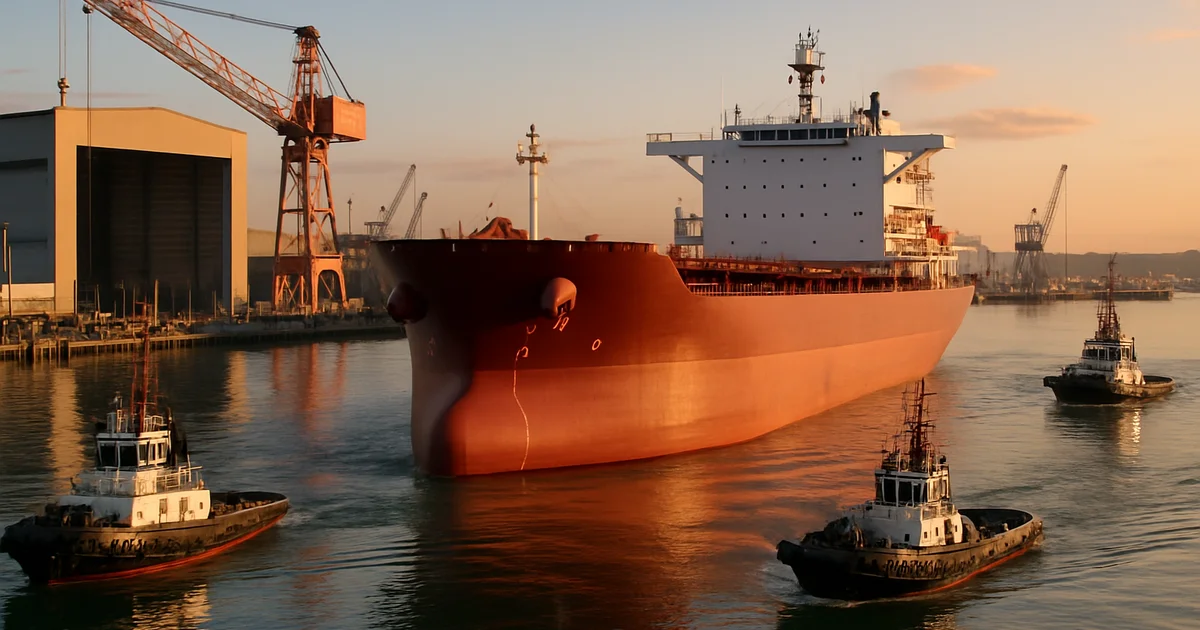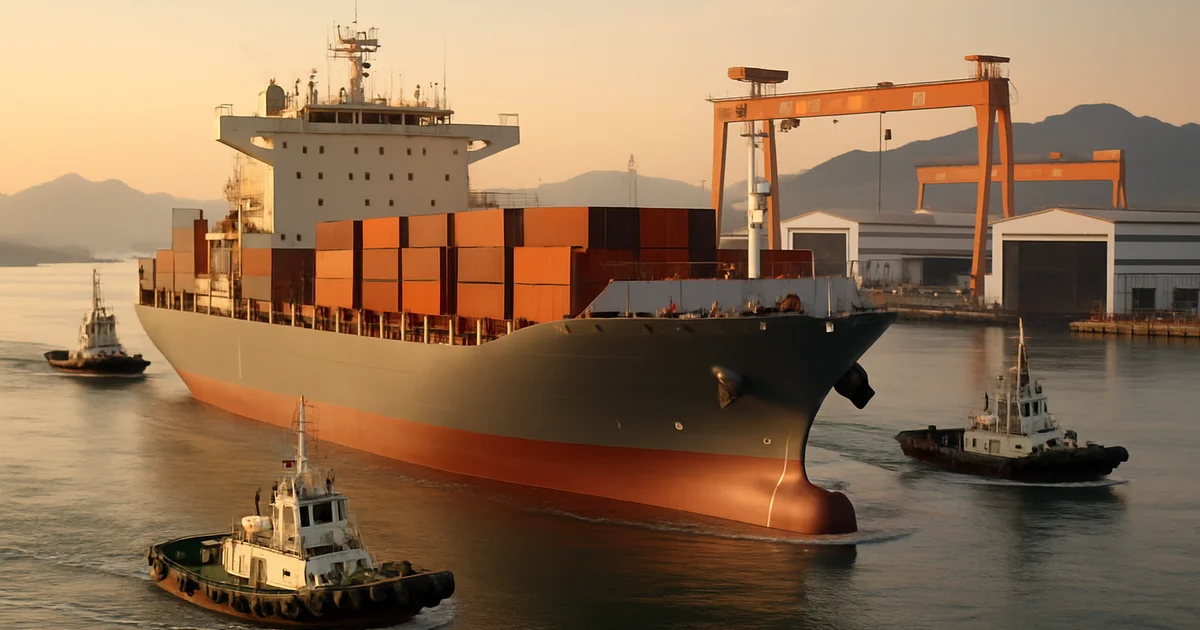
An injured seafarer aboard the bulk carrier Xin Dan Yang was successfully rescued in Vietnamese waters following a coordinated response by local maritime authorities. The vessel, en route from China to Singapore, issued a distress signal approximately 30 nautical miles east of Nha Trang City at 19:30 local time on Saturday, reporting that a crew member, identified as 37-year-old Chinese national Liang Fengshan, had sustained severe injuries.
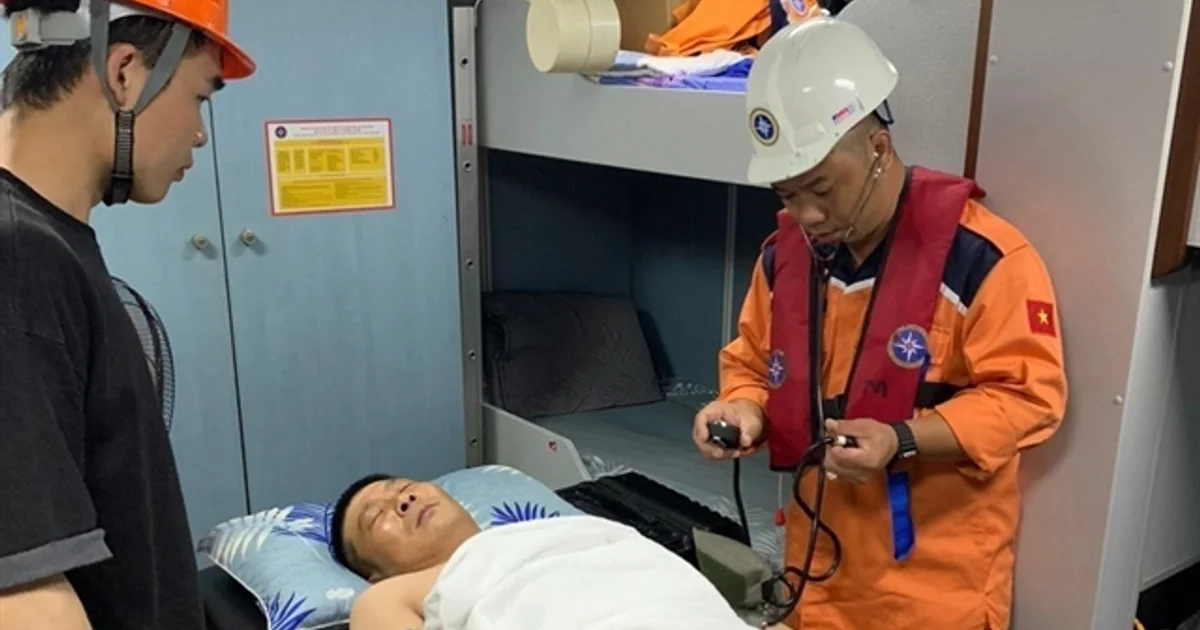
According to the Việt Nam Maritime Search and Rescue Coordination Centre (VMRCC), the sailor suffered from heavy bleeding, respiratory distress, persistent high fever, and significant physical weakness. Initial attempts by the ship's crew to stabilize Liang's condition were guided remotely by VMRCC personnel, who maintained constant communication. However, as his condition deteriorated, the need for immediate on-site medical intervention became urgent.
In response, the National Committee for Disaster Response, Search and Rescue and the Ministry of Transport mobilized a rescue vessel staffed with medical personnel stationed in Nha Trang. The rescue team intercepted the Xin Dan Yang and successfully transferred Liang to their vessel for expedited transport to the mainland. He arrived at Khánh Hòa Provincial General Hospital at 23:50 the same evening, where doctors reported his condition had been stabilized and recovery efforts were underway.
Why this matters
The rescue underscores the strategic importance of coordinated maritime emergency response mechanisms, particularly along major shipping corridors such as the South China Sea. Operators of vessels transiting these waters benefit from the assurances provided by robust regional disaster-management systems, highlighting Vietnam's capability to support seafarers through efficient deployment of SAR resources.
For shipowners and charterers, the incident emphasizes the necessity of thorough onboard medical protocols and training, especially for crews operating in remote waters. Severe injuries requiring external intervention introduce operational delays and potential liabilities, underscoring the value of maintaining comprehensive medical supplies and having immediate access to regional support centers like the VMRCC.
Furthermore, the successful rescue could serve as a model for regional cooperation between maritime authorities, illustrating how swift inter-agency collaboration can optimize the outcomes of critical emergencies at sea.
As shipping volumes across the South China Sea continue to grow, the reliance on efficient rescue operations will likewise increase. This case reaffirms the operational preparedness of Vietnamese authorities to handle complex maritime rescue scenarios and provides confidence to operators and crew navigating these high-traffic waters.