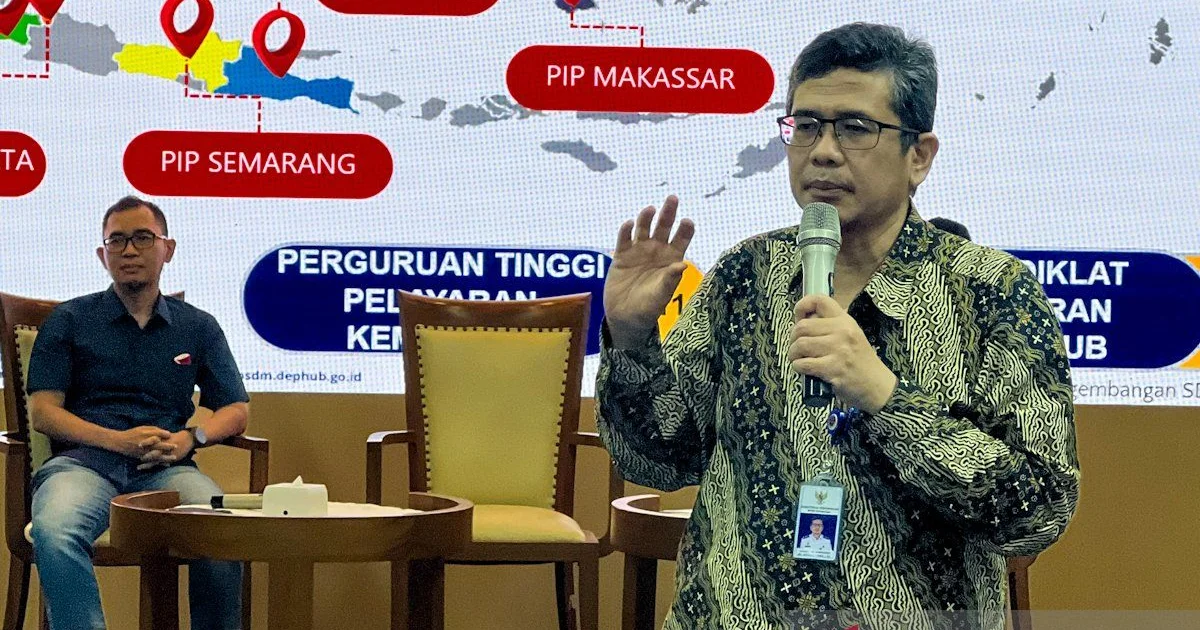
Indonesia is advancing its maritime diplomacy through a training program aimed at seafarers from 13 nations in West and Central Africa. Spearheaded by Djarot Tri Wardhono, Head of the Transportation Human Resources Development Agency (BPSDMP), the initiative underscores Indonesia’s strategic agenda within the International Maritime Organization (IMO). The program, aligned with IMO standards, features Training of Trainers (ToT) and Training of Examiners (ToE) modules. It is designed to equip 84 professional instructors and examiners from countries including Ghana, Guinea-Bissau, Sierra Leone, Nigeria, Cameroon, Angola, Congo Brazzaville, Gabon, Liberia, and Senegal with the skills necessary to enhance global maritime training standards.
The project is financed through a Rp18.2 billion (approximately US$1.1 million) allocation from the Ministry of Finance’s International Development Cooperation Fund (LDKPI). Two training sessions are planned leading up to 2025, with focus on bridging technical expertise and bolstering diplomatic engagement. Wardhono expressed thanks to the Ministry of Finance for its support, emphasizing the training’s importance in amplifying Indonesia’s influence within the IMO as a Category C Council member and in strengthening maritime ties with African countries.
This effort is not merely technical development; it also represents broader economic and strategic aspirations. By fostering collaboration in maritime human resource development, Indonesia aims to open the African market to its shipping and maritime technology sectors. Wardhono stressed the need for political relationships with African nations to gain their backing at the IMO while also cultivating competencies in seafarer education globally.
Why this matters
Indonesia’s initiative highlights the interconnectedness between maritime diplomacy and economic growth. The training program reinforces Indonesia’s strategic foothold within the IMO at a time when global maritime standards evolve toward increased professionalism and inclusivity. By engaging African nations in technical development, Indonesia positions itself as a key partner while securing votes to maintain its IMO Category C membership, a recognition vital for influencing international maritime policies.
Economically, the initiative paves the way for Indonesian shipping and maritime technology companies to expand into African markets, where demand for reliable maritime services and systems is accelerating. Maritime education improvements fostered by these ToT and ToE programs are likely to elevate global training standards while equipping African professionals with Indonesian expertise, amplifying regional capabilities in seafaring professions.
For operators, shipowners, and port authorities, Indonesia’s focus on human resource development creates opportunities to access qualified African crews trained under IMO standards, potentially reducing competency gaps and enhancing operational safety globally.
The training program also showcases how maritime nations like Indonesia leverage bilateral and multilateral cooperation to align strategic international policymaking with domestic economic opportunities. Decision-makers in developing maritime nations may consider similar collaborations to build influence within maritime governance bodies while strengthening industry ties across regions.
The program’s success could significantly influence Indonesia’s IMO standing while fostering deeper economic relations with African countries. Stakeholders in the industry should monitor these training sessions closely, as Indonesia's engagement with African markets may signal further technical cooperation agreements and commercial partnerships in the shipping and maritime sectors.