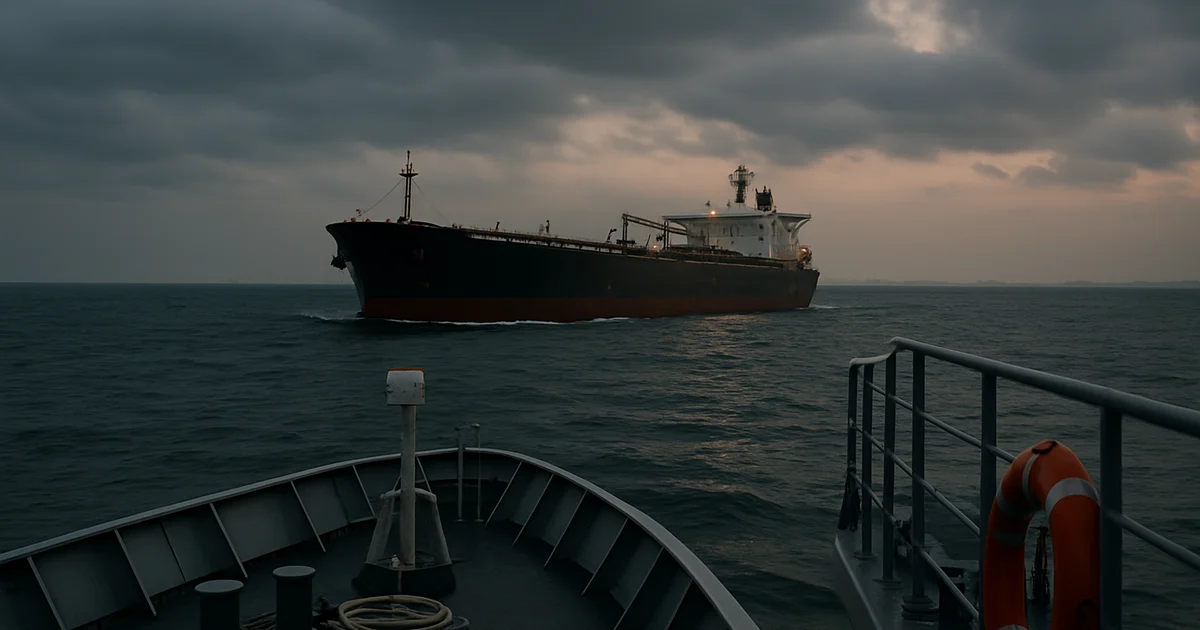
Recent developments have brought attention to a group of Iranian-linked tankers operating in the waters east of Singapore. This maritime activity, nestled in a grey zone of international shipping, continues to evade full regulatory oversight. The core fleet, involving several vessels such as the Haraz, Star, and Eagle, has drawn attention due to their strategic maneuvers off the coast of Johor.
Satellite imagery and Automatic Identification System (AIS) data compiled by maritime intelligence reports reveal that these tankers engage in specific activities designed to mask their true routes and destinations. According to MarineTraffic, a notable number of these vessels have consistently switched off their AIS transponders, a process known as AIS spoofing, to avoid detection by international monitoring agencies such as the Office of Foreign Assets Control (OFAC).
The presence of Iranian-linked tankers in this strategic maritime corridor raises questions about the sanctions environment and regional maritime security. OFAC sanctions target Iranian entities within the shipping industry, restricting operations that facilitate the sale of oil. Despite these restrictions, the tankers in question have been linked to illicit ship-to-ship transfers, further complicating the enforcement of sanctions. These transfers often involve reflagging and changing ownership papers to obscure the vessels’ true affiliations, resulting in a murky legal landscape that enforcement agencies must navigate.
Notably, these tankers often utilize flags of convenience from countries such as Panama and Liberia, known for relaxed regulatory frameworks. This tactic complicates the capabilities of maritime authorities to enforce international laws and sanction regimes fully. The tankers’ involvement in the contested waters around Singapore underscores significant geopolitical implications for maritime operators, insurers, and regional stability.
Why this matters
The ongoing activities of Iranian-linked tankers in Southeast Asia carry significant regulatory, financial, and operational implications for the maritime industry. These vessels' ability to evade international sanctions highlights vulnerabilities in detection and enforcement practices, threatening a stable regulatory environment. Insurers and P&I clubs face increased risk exposure due to secondary sanctions and potential liabilities from underwriting vessels linked to sanction-violating operations.
For maritime operators, these nuances necessitate a thorough due diligence process in counterparty engagements to avoid regulatory pitfalls. The uncovered activities in the Singaporean waters emphasize the need for robust compliance frameworks and enhanced transparency in maritime operations to prevent unwittingly supporting sanction-breaching conduct.
Regional maritime security is also impacted, as heightened scrutiny of ship movements and suspicious activities could lead to increased insurance premiums and tighter monitoring protocols. The strategic positioning of these tankers near vital trade routes potentially destabilizes both commercial and governmental initiatives aimed at securing regional shipping lanes.
Looking ahead, maritime operators must remain vigilant to emerging practices in sanctions evasion and the associated risks. Compliance systems and due diligence frameworks require fortification to mitigate exposure to sanction-related consequences. Monitoring developments in this sector will be crucial as international agencies continue to adapt enforcement mechanisms to address these complex maritime challenges.