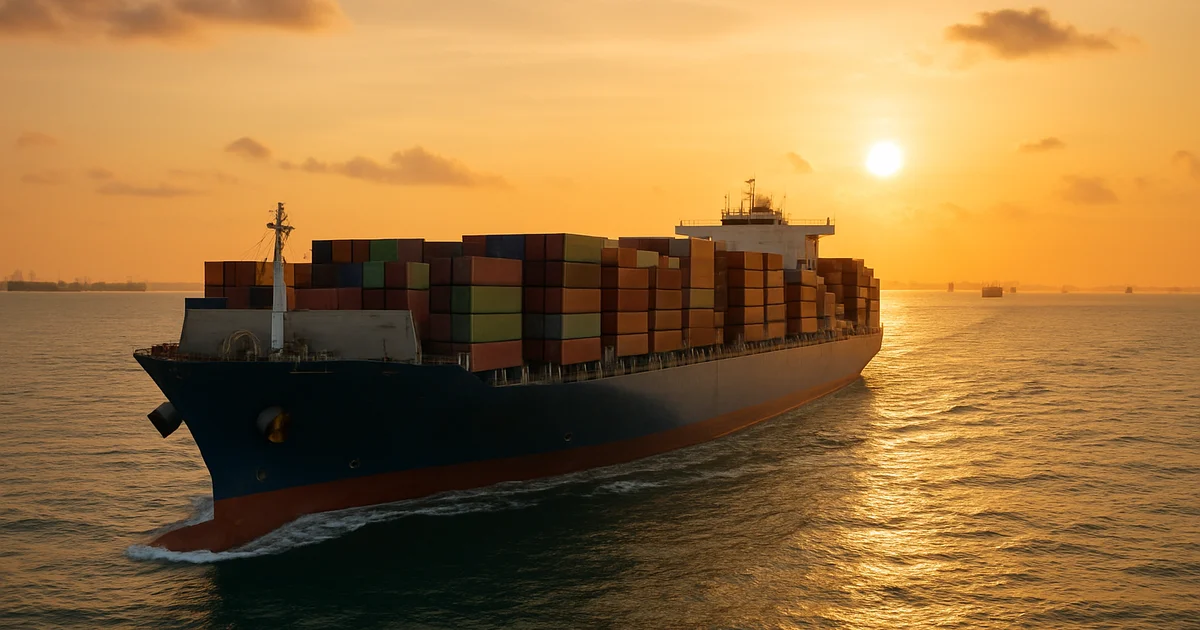
“K” Line Establishes New Hub in Singapore for Ship Management and Talent Development
Kawasaki Kisen Kaisha, Ltd. (commonly referred to as “K” Line) has inaugurated a new hub in Singapore to consolidate its ship management operations and enhance maritime talent development. The strategic expansion includes the establishment of K Marine Ship Management Pte. Ltd., a subsidiary specifically tasked with overseeing fleet management functions.
The new facility in Singapore will centralize operations previously managed separately, optimizing resources and streamlining processes across “K” Line's global fleet. The hub's focus includes comprehensive technical management, safety, and environmental responsibility for the fleet. The decision to locate the hub in Singapore aligns with the city-state’s standing as a global maritime centre, offering logistical advantages and access to a skilled maritime workforce.
According to “K” Line, the hub will facilitate the effective implementation of its technical capabilities and sustainability initiatives. This includes deploying advanced digital solutions to enhance operational efficiency and meet increasingly stringent environmental regulations. “K” Line aims to foster a generation of skilled maritime professionals through this initiative, leveraging Singapore’s educational infrastructure to train personnel in ship management and safety protocols.
Why this matters
This development reflects a broader industry trend towards centralizing operations in strategic locations to optimize supply chain and fleet management efficiencies. For shipowners and operators, such consolidations can lead to improved oversight, risk management, and compliance with international maritime standards. The concentration of ship management activities in Singapore could strengthen the city-state’s position as a central hub in the global shipping industry, potentially attracting further investment and collaboration within the maritime sector.
The improved integration of operations through the Singapore hub is positioned to enhance “K” Line’s ability to meet environmental targets and comply with global regulations. By focusing on talent development, the company is investing in human capital, which is critical to maintaining operational standards and competitive advantage in an evolving regulatory landscape.
For maritime service providers, the establishment of such centralized facilities could mean increased demand for digital and technical solutions that support operational efficiency and regulatory compliance. Training and education stakeholders may also benefit as companies invest in developing talent pipelines to meet these new operational demands.
As part of its strategy, “K” Line will need to monitor regulatory developments closely and engage with industry partners to ensure its operations remain aligned with best practices and emerging technologies. Stakeholders should watch for potential expansions of similar hubs by other major shipping companies, which may signal a shift in how global shipping networks are managed and staffed.