The accelerating degradation of global ocean ecosystems due to greenhouse gas emissions, overfishing, and localized pollution is raising alarm across marine science communities. A meta-analysis involving 632 studies spanning marine environments from tropical waters to the Arctic confirms that climate change has significantly reduced marine species diversity and abundance. Published in the Proceedings of the National Academy of Sciences, the study highlights the limited adaptive capacity of ocean organisms to rising temperatures and acidification levels resulting from elevated carbon dioxide absorption.
Oceans currently absorb approximately one-third of anthropogenic carbon dioxide emissions, leading to a 1°C rise in sea temperatures and a 30% increase in acidity since pre-industrial times. According to the study conducted by the University of Adelaide, this acidification severely impacts calcifying organisms such as corals, oysters, and mussels by hindering their ability to form shells and skeletal structures. Rising temperatures also disrupt fish behavior and alter habitats, compounding the ecological imbalance. Associate Professor Ivan Nagelkerken from the University of Adelaide explains that while warmer waters may lead to increased plankton proliferation, this growth does not support higher trophic levels within food chains. Small herbivorous species such as fish and shrimp face reduced growth rates due to elevated metabolic demands, which in turn limits prey availability for carnivores—a ripple effect destabilizing entire ecosystems.
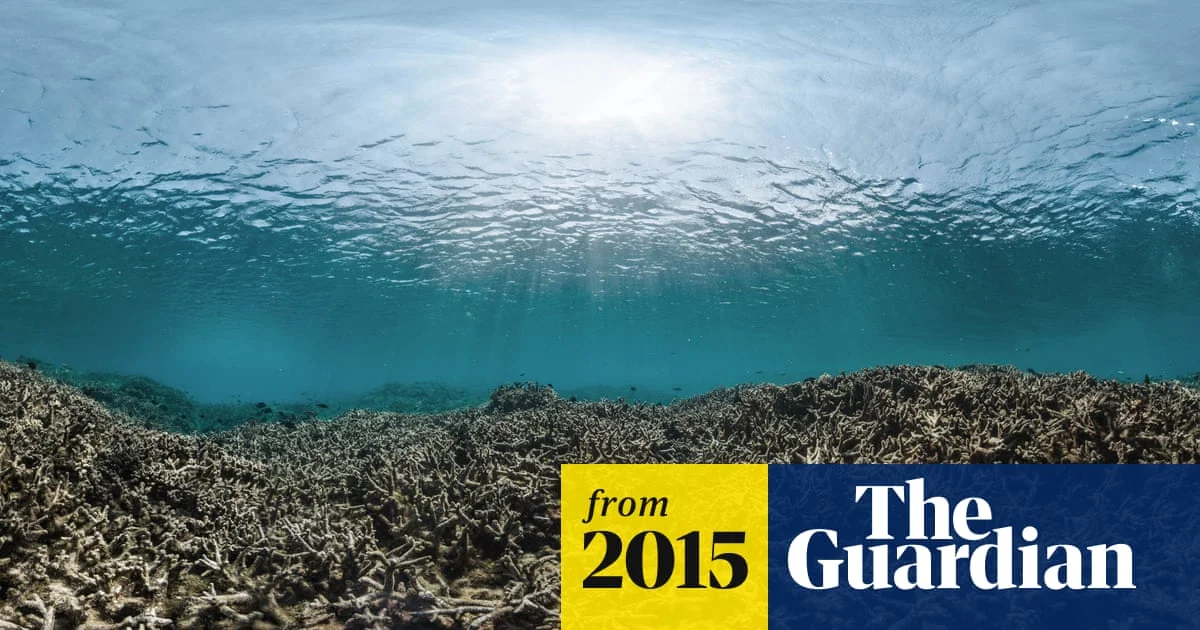
The study further establishes a consistent decline in biodiversity and species abundance across all reviewed marine ecosystems. Compounding the threats of warming and acidification, factors such as overfishing and hyperoxia (decreased oxygen levels) exacerbate the vulnerability of marine species. The research coincides with the ongoing third global coral bleaching event since 2014, driven by climate-induced underwater heatwaves. By year-end, nearly 38% of coral reefs worldwide will be impacted, with 5% facing irrecoverable loss. Coral reefs—occupying only 0.1% of the ocean floor yet supporting roughly 25% of marine life—are among the hardest hit, with major systems like Australia’s Great Barrier Reef losing half their coral cover over the last three decades and facing further risks by 2050 unless emissions are curbed.
The study also underscores long-term impacts such as thermal expansion contributing to rising sea levels alongside rapid land ice melting, particularly in Antarctica. Projections suggest coastal communities could face catastrophic consequences by 2100. Furthermore, changes in marine food chains threaten the livelihoods and nutritional security of hundreds of millions globally reliant on seafood. Coral reef decline also undermines coastal defenses, heightening vulnerability to storm surges and erosion. Nagelkerken warns that observable detrimental changes in the oceans are set to intensify within the next 50 to 100 years, as seen in tropical marine species encroaching temperate regions due to habitat shifts.
Why this matters
The findings have profound implications for maritime-dependent industries, coastal communities, and global biodiversity conservation efforts. With coral reefs serving as an essential habitat for 25% of marine species, their accelerating depletion jeopardizes the sustainability of critical fish stocks central to commercial fishing operations and local economies. Additionally, the ripple effects of disrupted marine food chains—from plankton to apex predators—may destabilize fisheries and aquaculture investments reliant on species abundance.
Environmental conditions such as acidification and warming also pose challenges to vessel operators and port authorities within fishing, shipping, and coastal logistics. As sea levels rise, coastal infrastructure resilience faces heightened stress, with direct financial and operational consequences for dry ports, bulk terminals, and shipping routes near vulnerable shorelines. The invasion of tropical species into temperate zones further complicates port ecosystem management and local biosecurity protocols, raising regional mitigation costs.
Maritime insurers may also face mounting exposure as climate-induced shifts exacerbate asset loss risks for coastal facilities. Combined economic impacts stemming from disrupted marine food chains and diminished biodiversity emphasize the urgency for collaborative international frameworks on emissions reductions and conservation funding.
Operators and decision-makers must account for these compounding risks by accelerating efforts to tackle overfishing and pollution while adopting rigorous measures to minimize carbon footprints. Monitoring invasive species and strengthening coastal infrastructure will be critical as marine ecosystems continue to shift under climate pressures. The cascading effects observed underscore the need for proactive adaptation strategies across maritime, fishing, and port sectors to weather future disruptions in ocean sustainability.