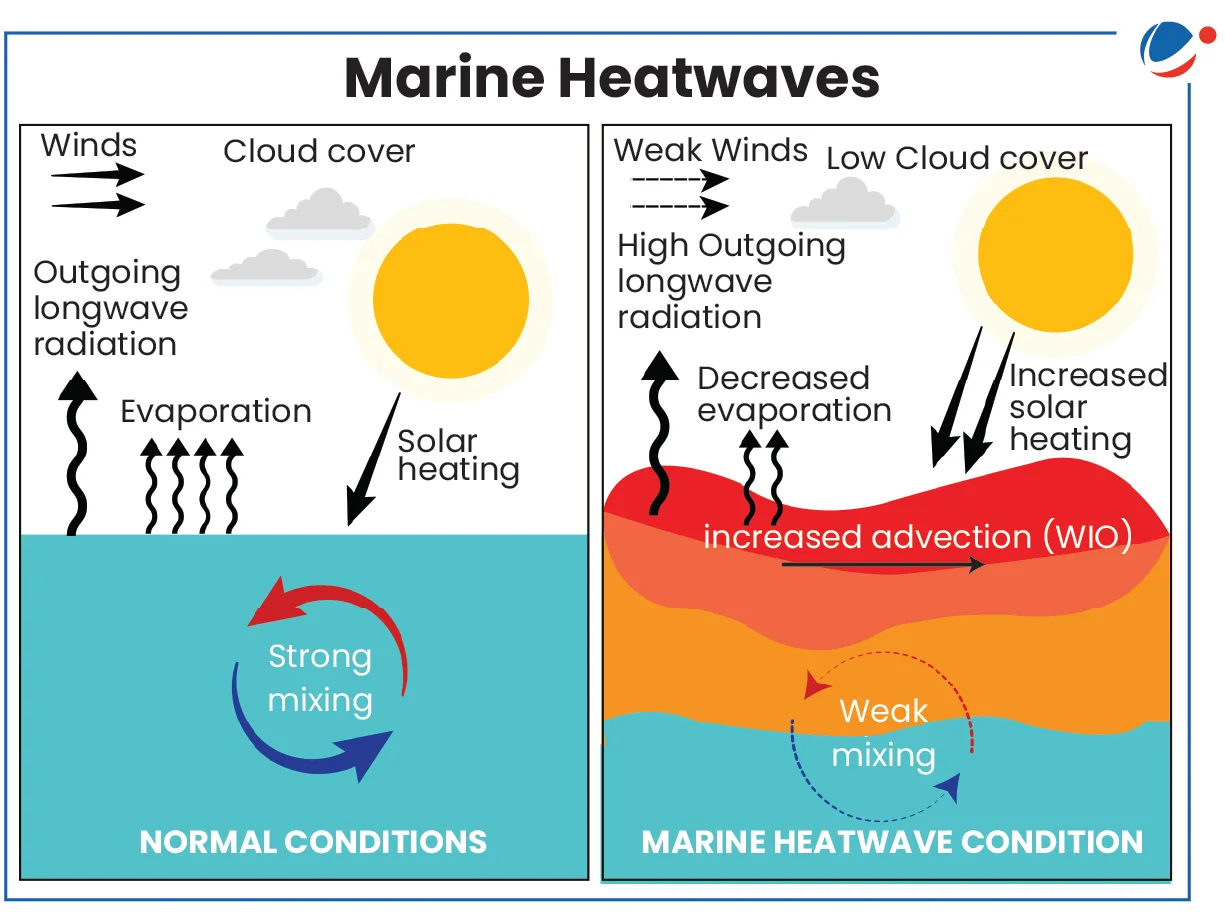
Marine heatwaves (MHWs), prolonged periods of elevated sea surface temperatures lasting at least five days, have surged globally, with alarming consequences for ecological systems, economic sectors, and coastal communities. Data from recent studies reveal a 240% increase in MHW days during the summers of 2023-2024, marking the warmest recorded period for both land and ocean temperatures. Highlighting the severity of this trend, findings show that 8.8% of global oceans experienced record-breaking sea surface temperatures, notably in the North Atlantic, southwest Pacific, eastern Pacific, and western Indian Oceans.
According to the research, the prevalence of marine heatwave events has doubled since 1982, largely due to human-induced global warming. Oceans have absorbed approximately 90% of the excess heat generated by greenhouse gas emissions, exacerbating temperature anomalies. MHWs, unlike terrestrial heatwaves, do not have fixed temperature thresholds due to the natural variability in oceanic temperatures across regions.
The primary drivers of marine heatwaves include atmospheric high-pressure systems, such as those observed over the Gulf of Alaska, whose influence may extend globally through tropical Pacific teleconnections. Additionally, processes like heat flux from the atmosphere, warmer water advection via currents, and phenomena such as El Niño contribute to their occurrence. Researchers stress that these factors, combined with the warming climate, have significantly destabilized oceanic conditions.
Marine heatwaves exert profound biological, climatic, and economic impacts. For marine ecosystems, coral bleaching has reached critical levels, especially in vulnerable regions such as the Gulf of Mannar, which recorded the bleaching of 85% of its corals in 2020. Related disruptions have led to the degradation of habitats like kelp forests and seagrass beds. MHWs also intensify the exchange of heat and moisture between ocean and atmosphere, fueling more frequent and severe storms, such as Hurricane Beryl in 2024, the earliest Category 5 hurricane on record. Furthermore, deoxygenation in shallow marine areas, notably the Baltic Sea, and heightened acidity levels threaten marine biodiversity and fisheries.
The economic ramifications of MHWs have been acute, as evidenced by the estimated $800 million loss in the Pacific Ocean due to harmful algal blooms impacting salmon aquaculture. Coastal communities are similarly affected by thermal expansion-induced sea-level rise, which accounts for over half the documented rise in regions such as the Indian Ocean.
Why this matters
For maritime operators, marine heatwaves introduce operational and economic challenges across several sectors. The fishing industry faces direct losses from depleted fish stocks and aquaculture failures, impacting vessel owners reliant on these resources for long-term viability. Harmful algal blooms linked to MHWs can cause widespread disruption to trade routes, affecting cargo planning and destination ports.
Regulatory bodies and coastal infrastructure planners must contend with the risks posed by accelerated sea-level rise in MHW-affected zones. Ports serving the Indian Ocean, for instance, could confront draught restrictions and infrastructure strain due to heightened flooding risks. Furthermore, storm intensification driven by these heatwaves demands stricter protocols for vessel safety and navigation in cyclone-prone areas.
On the ecological front, shipowners operating close to coral reefs and other sensitive ecosystems must navigate new conservation mandates or operational limits as governments enforce measures to combat bleaching and habitat loss. These mandates may restrict fishing zones, increase compliance costs, or require alternate routing.
Countries such as Australia are increasingly leveraging advanced forecasts to implement regional MHW response plans, presenting an emerging blueprint for mitigating operational disruptions across other maritime economies. Operators may need to adapt to such frameworks as forecasting and policy enforcement evolves globally.
As governments and private players continue evaluating geoengineering solutions like marine cloud brightening or ocean oxygenation, operators may face significant implications ranging from regulatory changes to technological investments in reducing marine heatwave impacts. The pressing challenges underline the urgency for collaboration within the maritime industry to better address climate-related disruptions, from shipping routes to fisheries operations. The effectiveness of response strategies will likely hinge on international alignment with climate policies under frameworks such as the Paris Agreement.