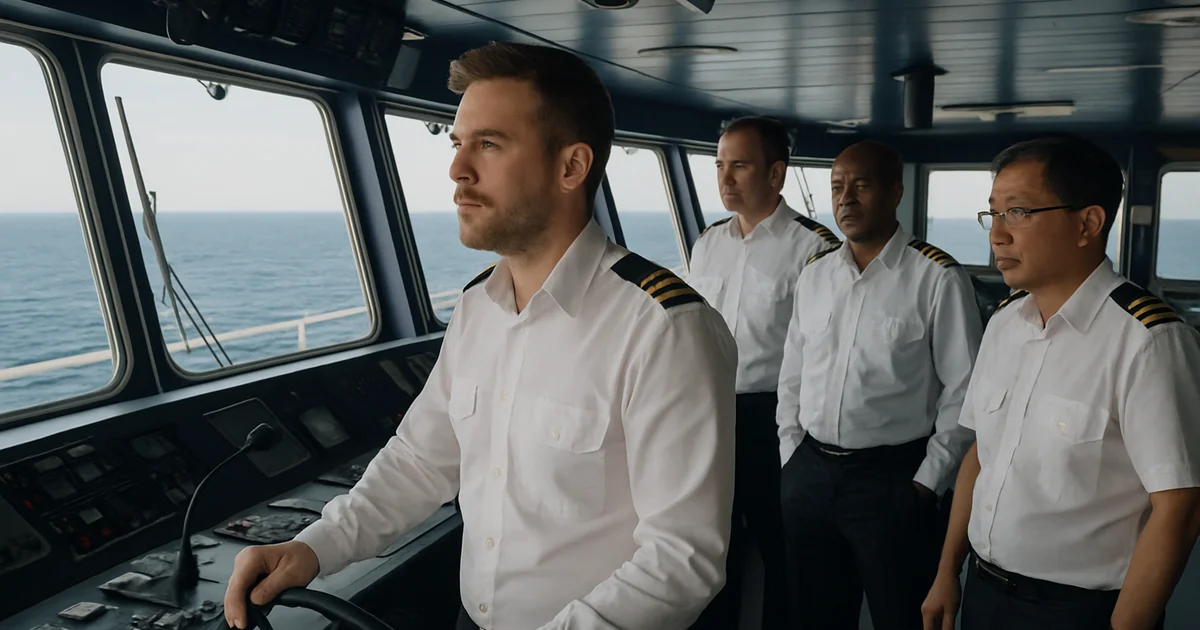
The International Chamber of Shipping (ICS), Lloyd’s Register OneOcean (LROO), and the Maritime Industry Authority (MARINA) of the Philippines have signed a significant memorandum of understanding (MoU) aimed at enhancing the certification process for seafarers. This tripartite agreement was formalized on February 12, 2025, at the International Maritime Organization’s (IMO) headquarters in London.
The primary objective of this initiative is to reduce the administrative burdens related to traditional, paper-based seafarer endorsements and verifications, which still prevail in the maritime industry despite the necessity for regular updates. The MoU intends to foster a more efficient ecosystem for stakeholders involved, including flag administrations, port state authorities, seafarers, ship owners, and managers. A pilot program will assess the feasibility of establishing a global digital system for safely storing and accessing all seafarer certifications in real-time. This innovation will empower seafarers to control their data and determine how it is utilized.
As part of the agreement, ICS, LROO, and MARINA plan to develop an initial application programming interface (API) concept to connect MARINA’s Integrated Seafarers Management Online System (MISMO) with the proposed pilot platform. If successful, MARINA will consult approximately 400,000 Filipino seafarers to gather insights regarding their digital certification needs and explore potential pathways for adoption.
ICS Secretary General Guy Platten expressed enthusiasm about the pilot project, highlighting its potential to meet the modern demands of the maritime sector while minimizing red tape and enhancing efficiency. He noted the Philippines’ pivotal role as the world’s largest seafarer provider, indicating that the collaboration would be integral to the project’s success.
LROO’s Co-CEO Nicholas Goubert emphasized the importance of integrating diverse perspectives to create a digital certification approach that improves accessibility, security, and compliance across the maritime sector. MARINA Administrator Sonia B. Malaluan praised the collaboration as a vital step toward a global platform for more streamlined certification processes for Filipino seafarers, aligning with international maritime standards and fostering digital transformation.
This collaboration is aligned with recent amendments to the Standards of Training, Certification, and Watchkeeping for Seafarers (STCW) code, which came into effect on January 1, 2025, designed to facilitate the industry’s gradual transition to digital certification.
As salience rises for the maritime sector to decarbonize, there is a pressing need for digitally-skilled workers. Data from DNV revealed that approximately 81% of maritime workers feel ill-equipped to handle new technologies. Furthermore, a study from Wärtsilä found that 45% of seafarers had reservations about adopting advanced digital solutions. The ICS has noted that a lack of digital readiness could substantially impede the climate neutrality goals set for 2050.
In response to the challenges of maritime digitalization, the European Community Shipowners’ Associations (ECSA) and the European Transport Workers Federation (ETF) launched the “Seafarers Go Digital” platform in July 2024. This initiative promotes the adaptation of international regulations and training programs to facilitate the integration of digital tools while safeguarding employee rights and well-being. Additionally, a training project aimed at preparing seafarers for zero or near-zero-emission vessels was initiated, underpinned by funding from the IMO and the Lloyd’s Register Foundation.
This confluence of initiatives underscores the maritime industry’s commitment to evolving with technological advancements while ensuring the workforce remains equipped for future challenges.