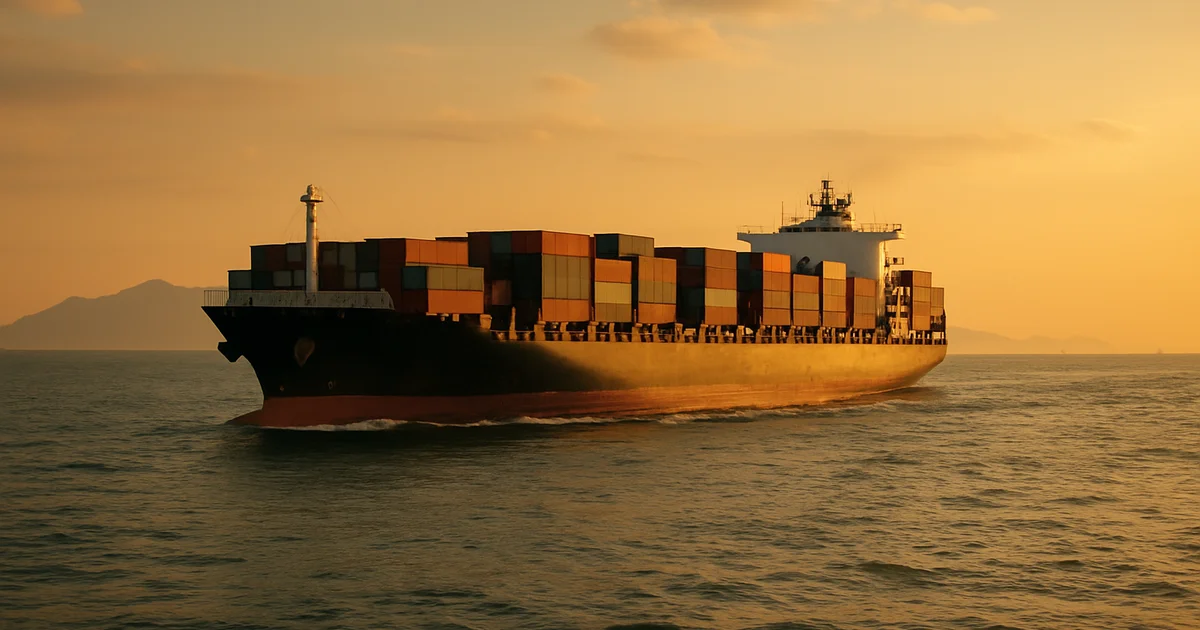
Singapore's Ministry of Transport has unveiled a proposal to establish direct feeder shipping lines between regional transport hubs and Malaysia, aiming to cut freight costs and enhance trade efficiency. The initiative seeks to address high logistics expenses caused by indirect routes and multiple cargo transfer points, which limit competitive advantages for local businesses in export markets. The measure forms part of broader infrastructure strategies designed to heighten economic connectivity and support industries reliant on streamlined supply chains.
The proposal emphasizes reducing transit times and operational expenses by linking Malaysia directly via feeder networks to major cargo hubs in Singapore. According to the Ministry, faster and more cost-effective logistics will aid sectors such as agriculture, manufacturing, and e-commerce by improving supply chain reliability and ensuring punctual deliveries. Malaysia, identified as a critical trading partner in regional agreements, stands to benefit from reinforced bilateral logistics channels to meet increasing trade volume demands.
Minister of Transport, whose full statement underpins the proposal, noted the strategic necessity of direct feeder lines in maintaining pace with evolving global shipping standards. Industry stakeholders, including representatives across agriculture and manufacturing sectors, have welcomed the initiative as a crucial step toward reducing consumer prices and improving regional economic dynamics. Collectively, the framework promises immediate and lasting impact, particularly for businesses reliant on direct cross-border shipping to manage costs without sacrificing transit efficiency.
Why this matters
The establishment of direct feeder lines between Singapore and Malaysia has important implications for regional trade and maritime logistics operators. Shipowners and cargo coordinators stand to benefit from optimized routes that eliminate redundancies in the supply chain, directly addressing congestion points that inflate both time and operational costs. Greater shipping line efficiency is expected to ease freight flows for key commodities, including agricultural goods, electronics, and finished products.
For port operators, the feeder line initiative signals likely throughput increases, prompting infrastructure adaptations to handle smoother transfer volumes under reduced berth time. The strategy aligns with Singapore's role as an international maritime hub, broadening its trade influence via streamlined interconnectivity with Malaysia's ports and hinterland transport networks.
Regional shipping lines could see early opportunities to secure contracts for feeder services at competitive rates, particularly as Malaysia and Singapore shore-based logistic firms collaborate. This situates the proposal firmly within global trade expansion efforts through enhanced intra-ASEAN connectivity, reducing dependency on overland transport channels prone to congestion.
In the near-term, maritime stakeholders should monitor developments closely as the feeder network rollout unfolds. Regulatory discussions regarding jurisdiction over these feeder services might create direct port rules harmonization issues. Ultimately, delivering freight capacity quickly and universally amplifying network efficiency serves multinational shipping alliances and promotes new commodity flow agreements both sides simultaneously.