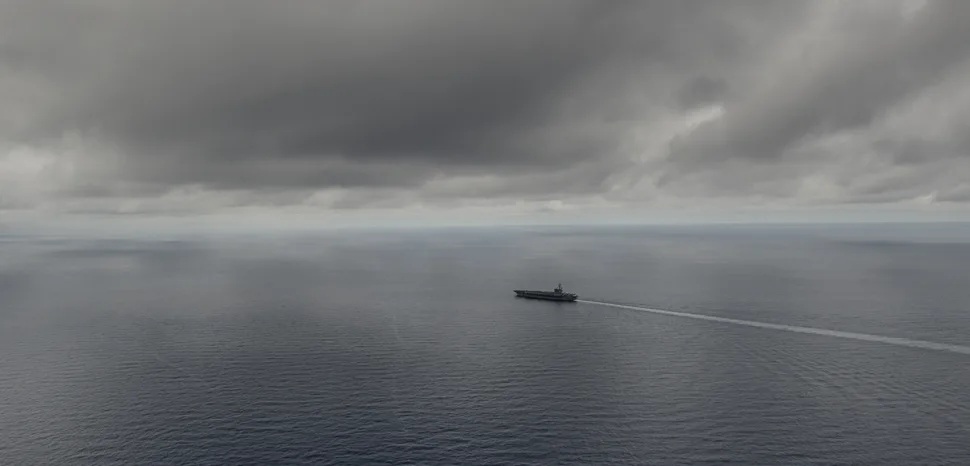
China’s naval strategy in the East China Sea continues to exemplify a calculated approach to solidifying regional maritime dominance while addressing longstanding security concerns. The modernization of the People’s Liberation Army Navy (PLA Navy) has seen a marked expansion in capabilities over the last fifteen years, with notable milestones such as the commissioning of the domestically built aircraft carrier Shandong. This development signals an increasing focus on coastal defense rather than global power projection, aligning with China's strategic objectives in the region.
The PLA Navy now boasts a fleet comprising 60 submarines, 87 surface vessels, and numerous littoral assets, reflecting its commitment to deterring foreign incursions near critical maritime chokepoints like the East China Sea. Analysts suggest that this build-up aims to enforce China’s presence along the so-called "first island chain,” which includes strategic barriers formed by the archipelagos of Japan and the Philippines. These geographical features have presented tactical challenges for China historically and remain integral to its naval strategy today.
Historical tensions between China and Japan further complicate the maritime security landscape. Past conflicts over Korea and Manchuria during the late nineteenth and early twentieth centuries have left a legacy of mistrust, underscoring Chinese fears of encirclement. Japan’s recent reconsideration of its pacifist constitution to potentially expand military capabilities fuels concerns of an arms race in the region, heightening the sensitivity of territorial disputes and freedom-of-navigation operations.
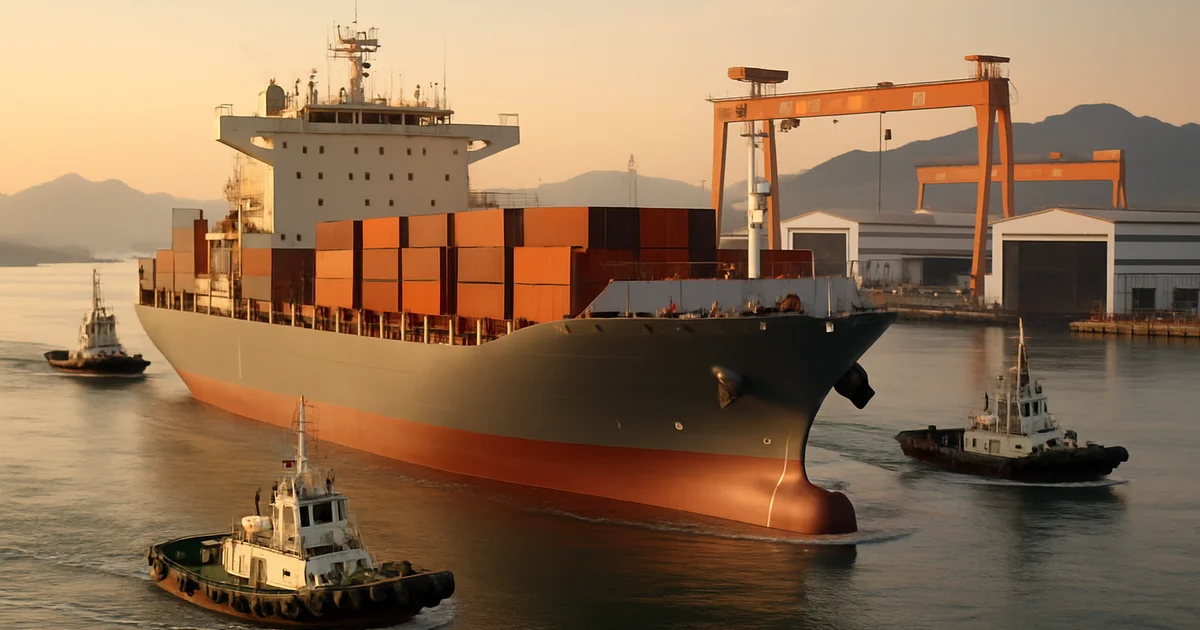
China’s naval strategy is primarily geared toward preventing foreign powers, particularly the United States and its allies, from gaining a foothold within its maritime sphere of influence. This approach is evident in deployments across the East China Sea, which serves as a critical transit zone for global trade, supporting approximately 90% of worldwide cargo movement. Securing these sea lanes is vital for China’s economic lifelines and national security imperatives.
Why this matters
The expansion of the PLA Navy has tangible implications for regional maritime operators and global shipping routes. Enhanced Chinese control of the East China Sea could disrupt the logistics networks of its neighbors, including Japan and South Korea, while introducing unpredictable variables for commercial shipping transiting near contentious zones. Shipowners may face heightened insurance costs due to escalating geopolitical risks, and regulators of Significant Maritime Traffic Corridors may need to revise advisories accordingly.
Moreover, if regional powers like Japan significantly bolster their military postures in response, this could lead to pronounced long-term instability, deterring investment in port infrastructure and trade-dependent industries across East Asia. Area operators may need to weigh carefully their route-planning and asset positioning strategies to mitigate exposure to potential flashpoints.
China's naval modernization and assertive strategy in the East China Sea reflect significant shifts in maritime security dynamics. For shipowners and regional governments, factoring these developments into risk assessments for transit planning, insurance coverage, and strategic partnerships remains critical. Continued monitoring of fleet capabilities and regional military postures will be necessary to anticipate further changes in operational conditions. The evolving security environment in East Asia demands proactive foresight from all maritime stakeholders operating within or near these waters.