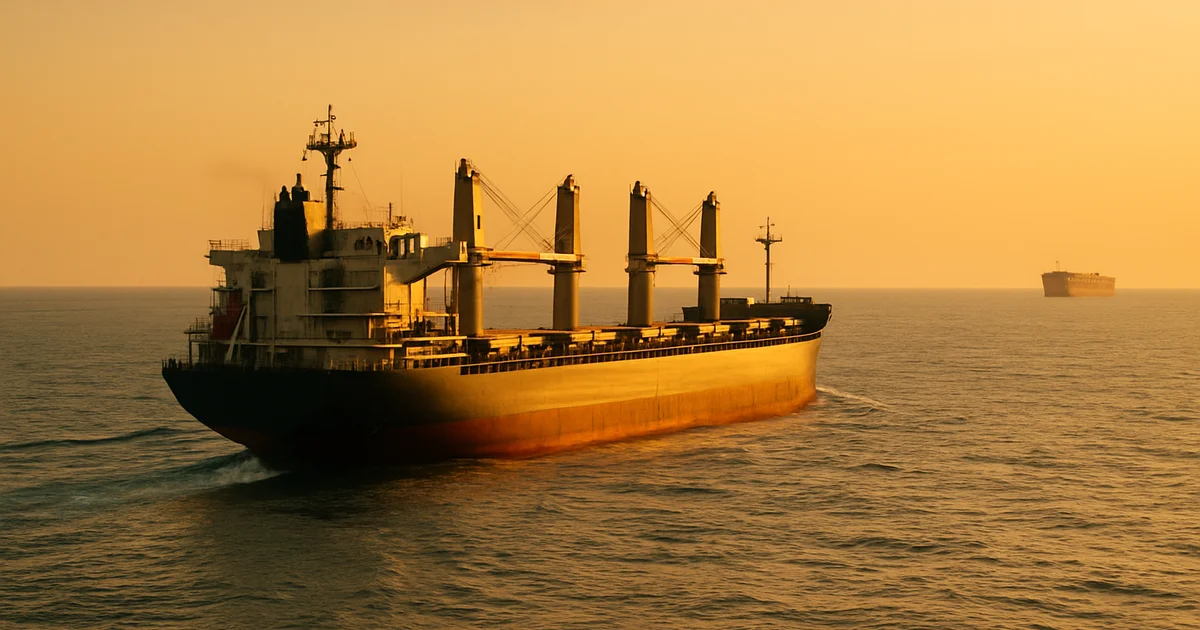
In Oslo, maritime cyber experts are acutely aware of the risks posed by the increasing digitalization of shipping. They believe a catastrophic cyberattack on vessels is not a question of “if,” but “when.” Øystein Brekke-Sanderud, a senior analyst at the Nordic Maritime Cyber Resilience Centre (Norma Cyber), emphasizes that their monitoring activities are focused on anticipating such an event. The centre, located near the picturesque Oslo fjord, analyzes threats against shipping, a sector that has gained strategic importance amid rising geopolitical tensions, particularly in the Nordic countries following Finland and Sweden’s membership in NATO.
The complexities of modern maritime systems make them particularly vulnerable to cyber threats. Brekke-Sanderud notes that advanced AI tools can quickly navigate operational manuals and expose weak points, simplifying access for potential attackers. As digital systems proliferate on ships, opportunities for harmful interventions increase, necessitating robust monitoring by organizations like Norma Cyber, which collaborates with other maritime safety entities to bolster global response capabilities.
Additionally, hackers do not necessarily need to execute dramatic actions like vessel crashes; smaller disruptions could still cause significant issues, such as power blackouts aboard ships. There are indications that state actors, particularly Iran, are already exploring methods to disrupt maritime operations, including attacks on ballast systems used for vessel stability. Recent high-profile hacks highlighting vulnerabilities—like the simultaneous attack on 116 Iranian Vsat modems—underscore the urgency of cybersecurity in maritime operations.
Despite the digital threats, conventional navigational skills are regaining importance. Disruptions to satellite navigation systems, potentially linked to state-sponsored actions, demonstrate the necessity for crews to navigate without reliant technology. Lars Benjamin Vold, managing director of Norma Cyber, asserts that sound seamanship is the best defense against these invisible cyber threats.
Compounding these issues is the emergence of a “shadow fleet” of unregulated vessels operating to evade sanctions connected to the ongoing geopolitical situation, particularly with Russia. The opacity of this fleet raises substantial concerns about environmental and operational risks, especially given that many of the vessels are aging and lack oversight. Line Falkenberg Ollestad, an expert on the shadow fleet, emphasizes the potential risks posed to Norway’s coastline if environmental incidents occur on these ships, which continue operating under minimal accountability.
With roughly 15% of ship crews being either Ukrainian or Russian, the dynamics on board have shifted drastically since the conflict in Ukraine intensified. Crew composition introduces additional complexities in operational safety and maritime relations. The maritime industry faces a dual challenge: navigating sophisticated cyber threats and addressing the ramifications of geopolitical destabilization that increasingly affect both the safety of global shipping routes and environmental integrity.
As maritime vulnerabilities rise and the potential for cyberattacks looms large, the work of organizations like Norma Cyber is critical in formulating responses to these emerging threats. Their analyses reflect a deep awareness of the complex interplay between digital security, geopolitical dynamics, and traditional maritime practices, underscoring a growing need for heightened vigilance in an uncertain world.