A collision occurred involving two foreign-flagged vessels near Karachi Port, as reported on [date not specified]. No casualties have been reported following the incident, according to maritime authorities overseeing the area.
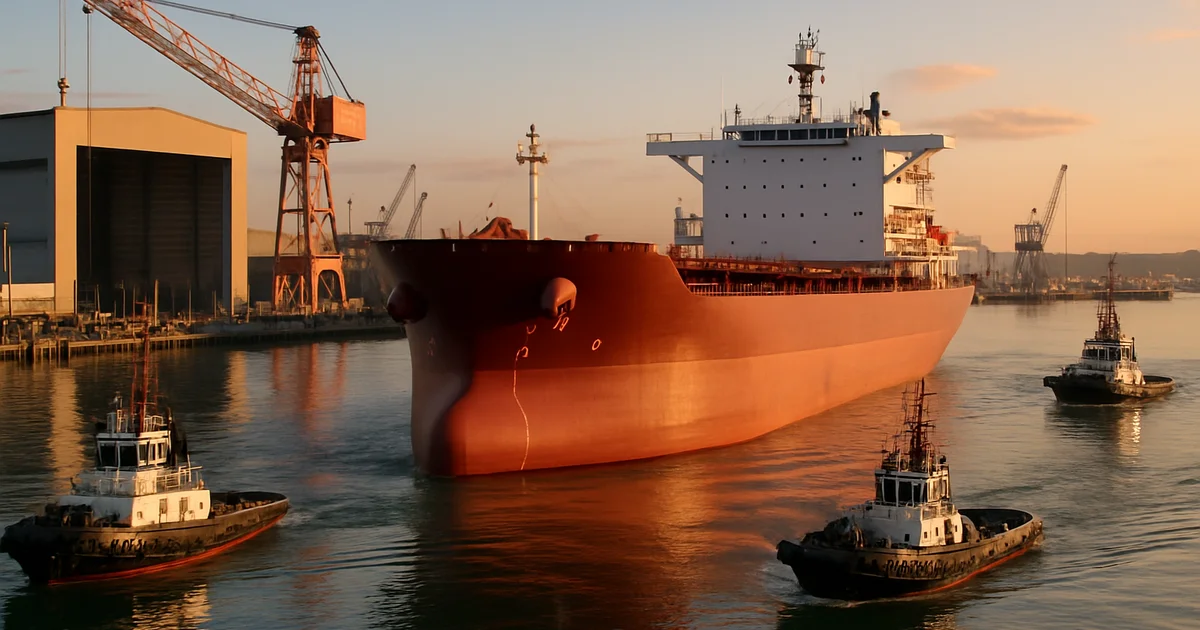
The incident involved the Panama-flagged bulk carrier *ABC Challenger* and the Malta-flagged container vessel *XYZ Navigator*. The collision happened approximately [exact coordinates not provided] within the approach channels to Karachi Port. Both vessels were reportedly underway, carrying cargo to international destinations, when the event took place.
Preliminary reports indicate that the *ABC Challenger* sustained minor hull damage above the waterline, while the *XYZ Navigator* experienced structural damage to its portside container bays. Neither vessel’s cargo was compromised, and no significant delays in their voyages have been reported.
The Karachi Port Trust (KPT) confirmed that tug assistance was dispatched to each vessel immediately after the incident to ensure safe berthing within port boundaries. Maritime safety protocols were followed, and inspections are underway to assess the full extent of the damage. No pollution or environmental impact has been reported.
Local maritime enforcement authorities have launched an investigation into the cause of the collision. Both vessel operators, along with their respective P&I clubs, are cooperating with the inquiry. Initial findings suggest a navigational error may have contributed to the incident, though further analysis of voyage data recorders (VDR) and crew interviews is pending.
Why this matters
The collision near Karachi Port underscores the risks associated with high-traffic shipping lanes leading to major South Asian ports. Vessel operators need to remain vigilant in ensuring navigational safety, particularly in areas with constrained maneuvering space.
For local stakeholders, including the Karachi Port Trust, the event highlights the importance of maintaining robust vessel traffic management systems (VTMS) to prevent similar incidents in the future. Effective coordination between port authorities and ship operators remains critical to sustaining port operational efficiency and minimizing disruption to trade flows.
Furthermore, the absence of environmental pollution in this case avoids potentially severe consequences for coastal waters, given the significant fishing and commercial importance of the surrounding region.
As investigations progress, the industry may gain deeper insights into causative factors that could inform future improvements in navigational practices and port safety measures. Operators transiting congested maritime corridors will likely bolster risk assessment protocols to mitigate exposure to collisions.
In the immediate term, both vessels will likely be subject to repair schedules before resuming full commercial operations. The inquiry into the specific circumstances surrounding this collision will also contribute to identifying actionable measures to reduce such risks in heavily trafficked port approaches.