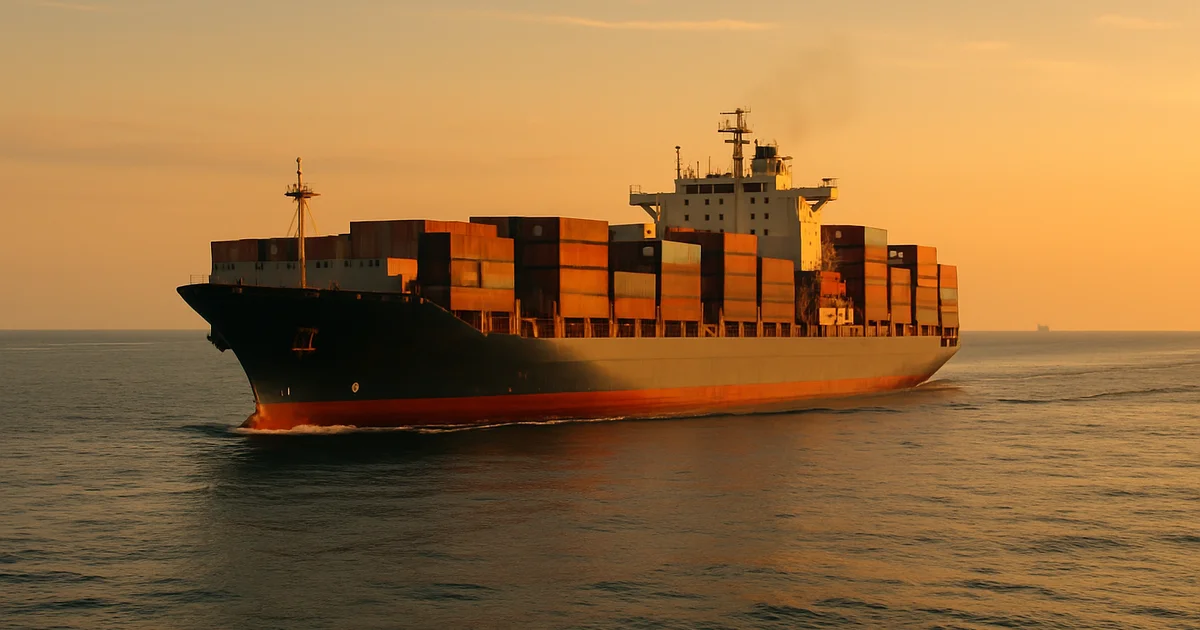
During the Nor-Shipping event, industry leaders turned their focus towards the design and capabilities of tomorrow’s vessels. The exhibition set the stage for maritime stakeholders to explore the evolving landscape of shipping technology and sustainable operations within the global marine industry.
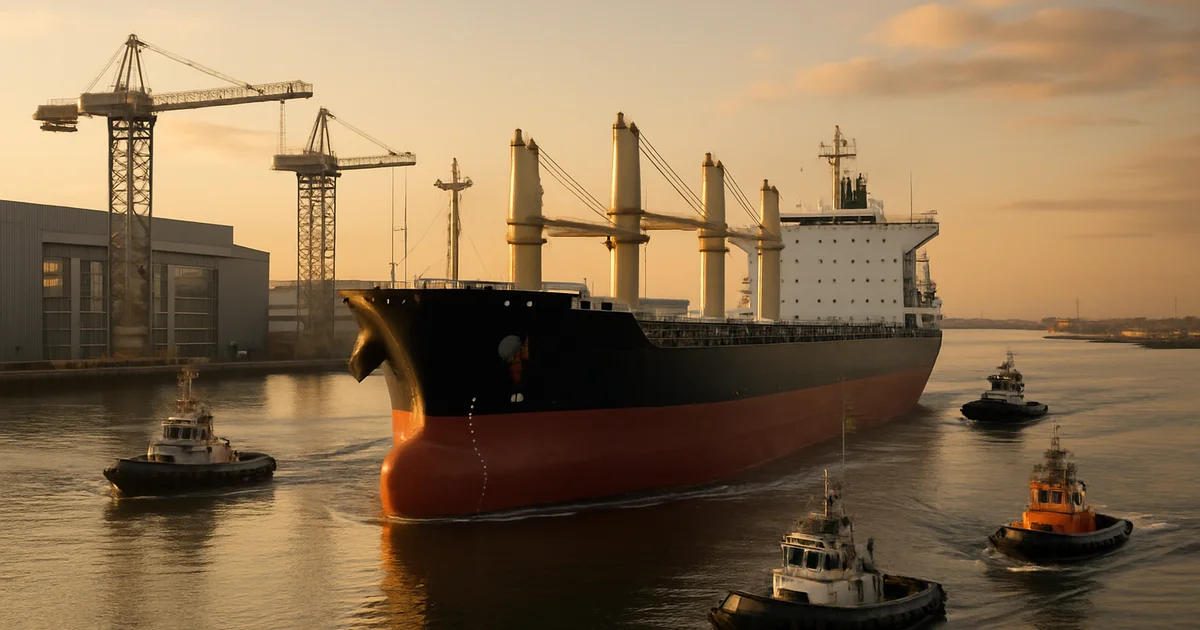
The event showcased innovative ship designs emphasizing energy efficiency and reduced environmental impact. Attendees included shipowners, shipbuilders, and technology providers who presented advancements in hull construction, propulsion systems, and digital tools to enhance vessel performance.
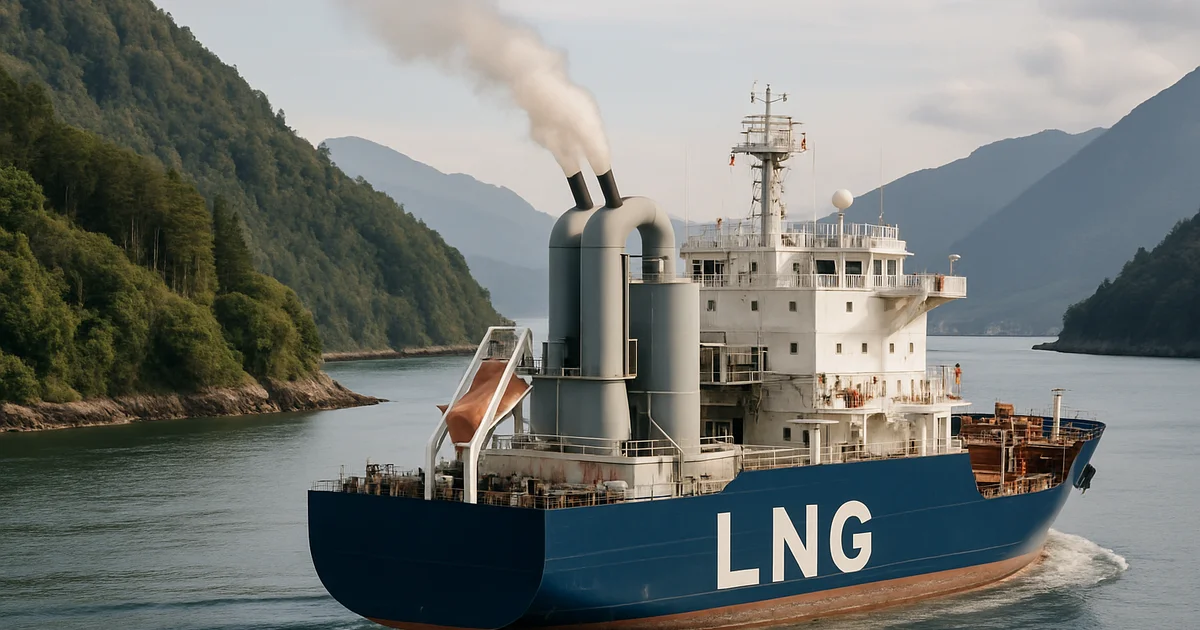
Key discussions took place on how the shipping industry can meet upcoming environmental regulations. Industry experts provided insights into adopting alternative fuels, such as LNG and hydrogen, and leveraging digitalization to optimize fleet management. Participants examined ways to integrate cutting-edge technology with financing solutions to support fleet upgrades.
Maritime executives emphasized the importance of collaboration across sectors to drive the adoption of new technology. They highlighted partnerships between shipping companies and tech innovators as vital for developing future-ready vessels capable of meeting stringent emission standards.
Why this matters
The maritime industry faces increasing pressure from regulatory bodies to reduce greenhouse gas emissions and improve energy efficiency. Meeting these standards requires significant investment in research and development of vessels with advanced technological capabilities. As funding and incentives align with these necessities, shipowners must consider how to incorporate sustainable practices that align with international regulations.
For shipowners and operators, the focus at Nor-Shipping on futuristic vessel design underscores the need to invest in alternative fuel systems and digitalization to remain competitive. Participation in proactive discussions ensures stakeholders can anticipate regulatory changes and integrate emerging technologies strategically.
Technological advancements demonstrated at the event can offer a competitive advantage to operators by improving fuel efficiency and reducing operational costs. However, they also represent a financial commitment that must be rightly balanced against operational benefits and regulatory compliance necessities.
The push towards modern vessel designs and sustainable operations suggests that shipowners and operators will need to adjust their strategies to meet both economic and ecological demands swiftly. The capacity to adapt and invest accordingly will dictate market positioning as global standards evolve.