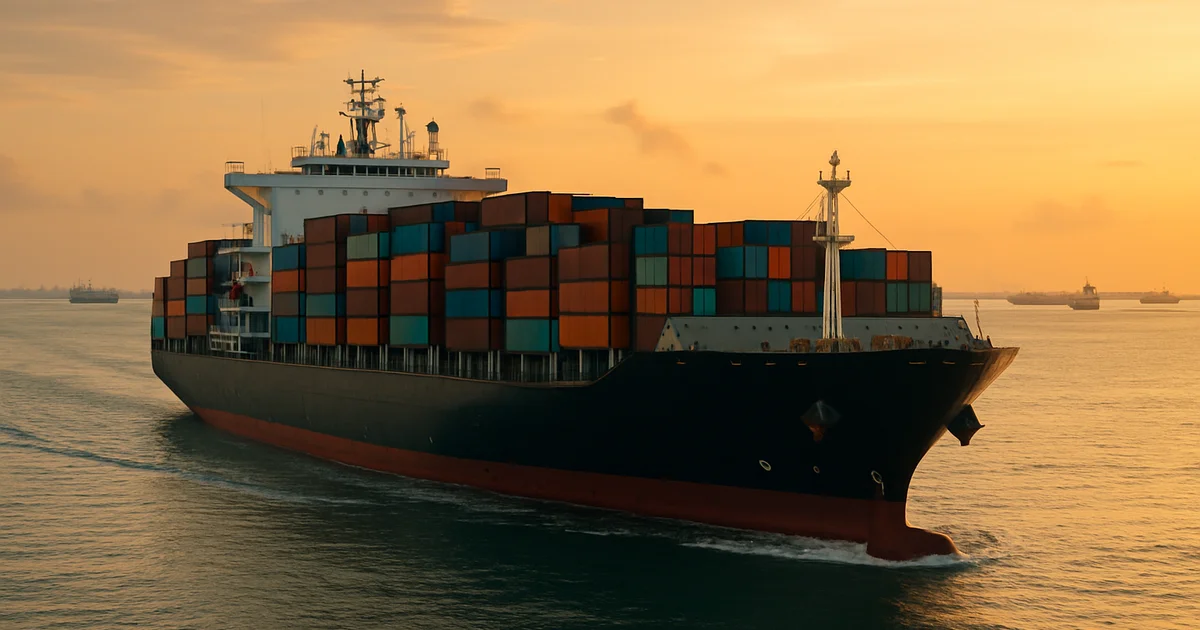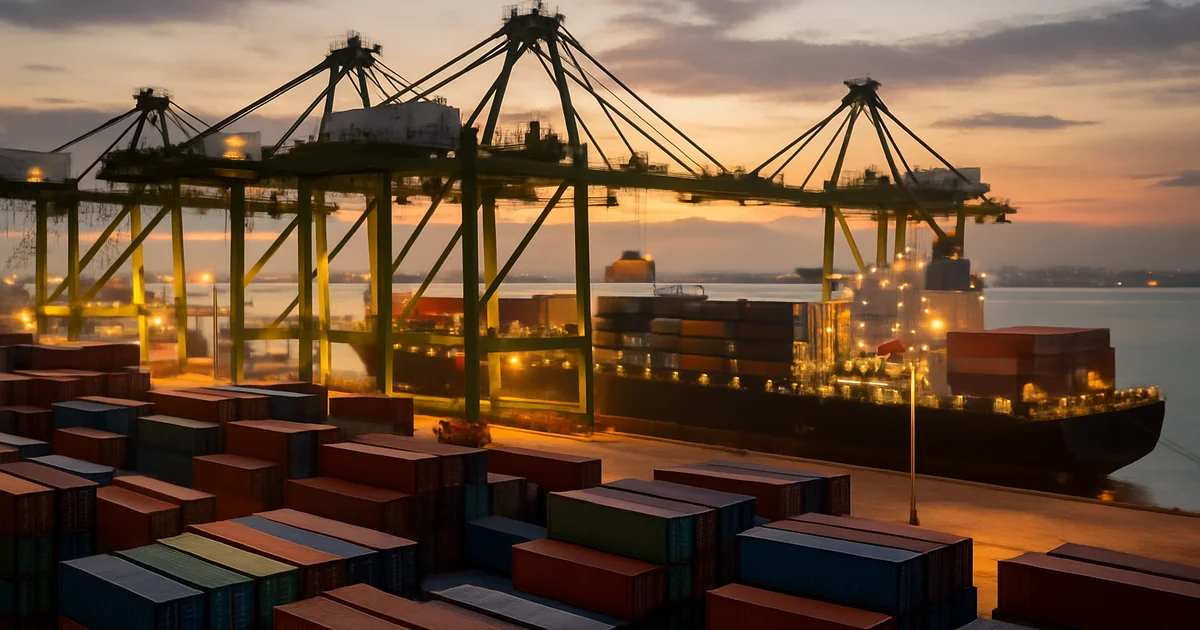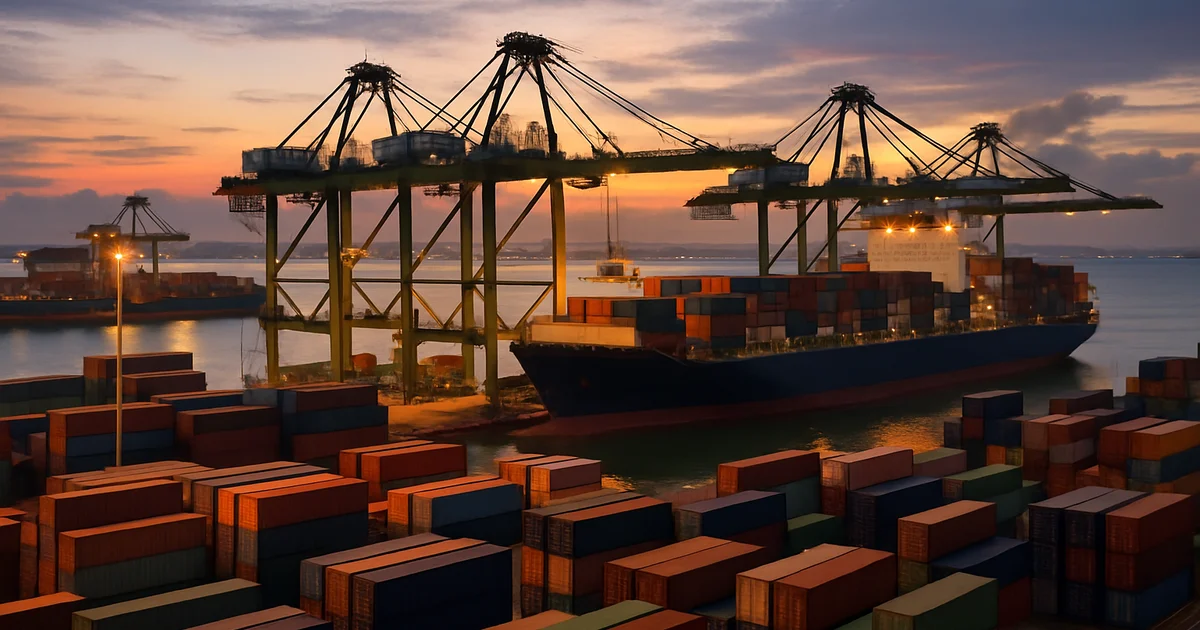
The maritime logistics landscape is poised for a transformative leap driven by advancements in smart port technologies, automation, and supply chain integration. At the forefront of these changes is the port of Singapore, one of the world's most significant transshipment hubs, handling over 37 million TEUs annually and connecting more than 600 ports across 120 countries. This article examines key trends reshaping port operations, with a focus on Singapore's pioneering initiatives in automation and logistics efficiency.
Smart ports are a cornerstone of this evolution, employing cutting-edge technologies such as IoT (Internet of Things), AI, big data analytics, and blockchain to optimize workflows, enhance safety, and reduce their environmental footprint. These highly interconnected systems enable real-time data exchange among diverse stakeholders, including shipping lines and customs authorities.
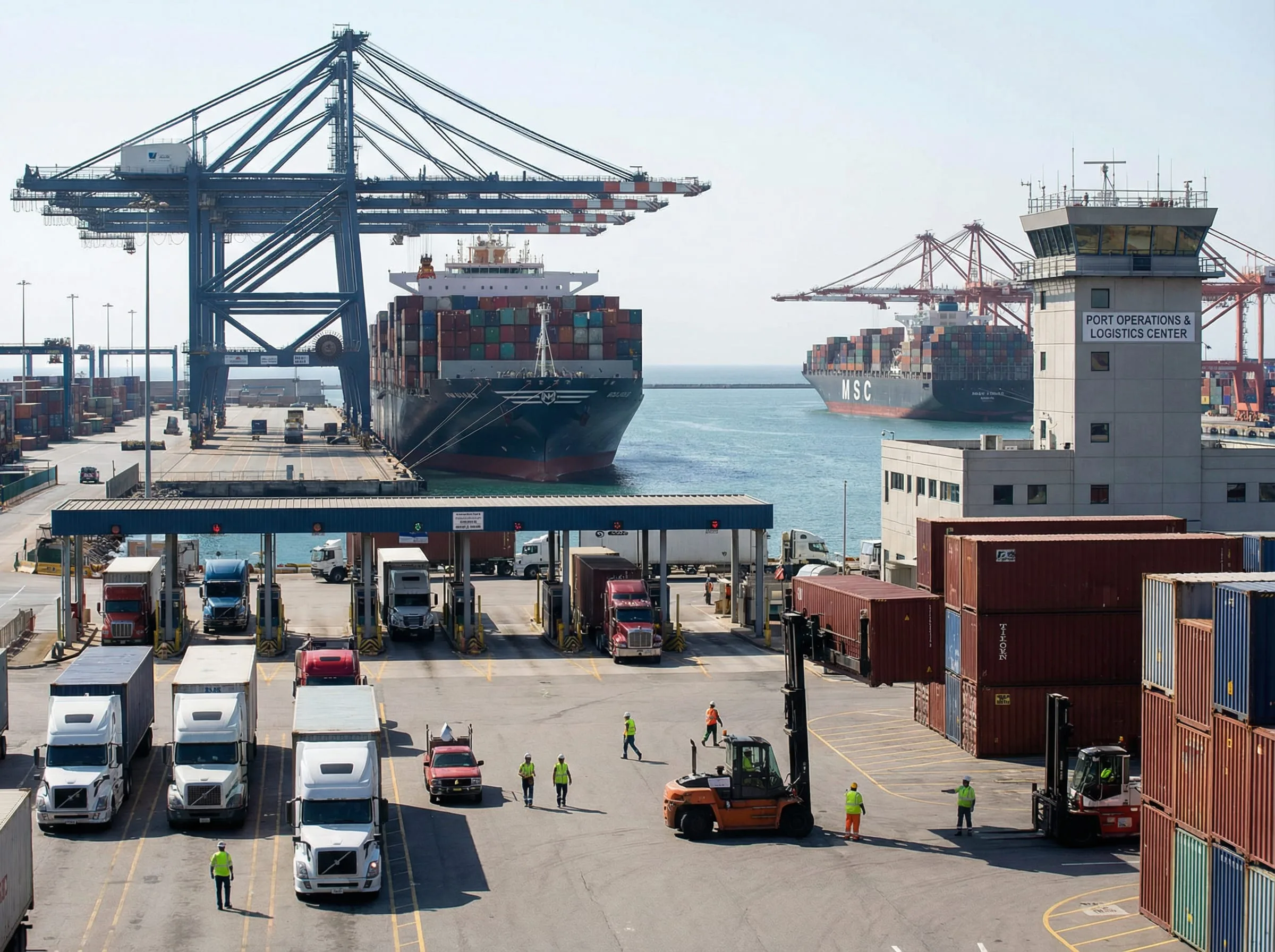
Among the central features of smart ports are automated cargo handling systems, such as robotics and automated guided vehicles (AGVs), which streamline container movements and minimize dock turnaround times. Many ports now also operate sophisticated digital platforms that provide end-to-end visibility across the entire supply chain, allowing for predictive maintenance, precise berth scheduling, and effective resource allocation. Sustainability is a critical driver, with smart ports deploying energy-efficient machinery and comprehensive emissions monitoring to align with the decarbonization goals of the maritime industry.
Automation presents another layer of innovation in port operations globally. The adoption of AI-powered logistics platforms, automated cranes, and unmanned vehicles is transforming traditional port functions. In addition to improving efficiency and safety, these systems underpin cost savings through reduced labor requirements and better asset utilization. Congestion levels on berths and yards have substantially decreased at ports actively leveraging automation.
Meanwhile, integrated supply chains redefine modern port operations by creating a seamless flow of goods from origin to destination. Collaborative data-sharing platforms are a hallmark of this model, enabling proactive measures against bottlenecks while supporting real-time cargo tracking and inventory management. Furthermore, integrated systems foster resilience and agility, empowering stakeholders to address disruptions efficiently and maintain competitive service levels.
Singapore’s port stands as an exemplary model, leveraging innovative technologies and supply chain integration to maintain its global competitiveness. Its strategically located deep-water terminals host automated cranes and state-of-the-art IT systems, cementing its position as a hub for both East-West trade and green shipping advancements. Moreover, Singapore's partnerships with technology firms and research bodies have enabled pioneering innovations like digital twin platforms and automated logistics processes, further enhancing its operational benchmark.
Why this matters
The advancements in smart port technologies and supply chain integration have operational and financial implications for shipowners and logistics providers worldwide. Automated handling systems and real-time tracking reduce vessel turnaround times, offering cost advantages in port stays while minimizing delays in cargo delivery. Shipowners stand to benefit from optimized berthing schedules and reduced congestion risks, enabling higher fleet utilization rates.
For operators, the deployment of energy-efficient and low-emission equipment aligns with the stringent decarbonization mandates set by global and regional bodies such as the IMO. This necessitates investment in green technologies to remain compliant with evolving regulatory frameworks, presenting both challenges and opportunities for future-ready port infrastructure.
Integrated supply chains also create avenues for ports to strengthen their roles within global trade networks. Enhanced transparency and coordination reduce the risk of disruptions caused by geopolitical events or market volatility, reassuring charterers and cargo owners regarding reliability.
Singapore’s port exemplifies the strategic importance of embracing technological innovation to sustain high throughput levels and foster broader connectivity across global routes. As ports worldwide grapple with growing trade volumes and environmental accountability, operators must prioritize similar advancements to ensure competitiveness and compliance. Monitoring Singapore’s developments will offer actionable insights for decision-making in the sector globally.