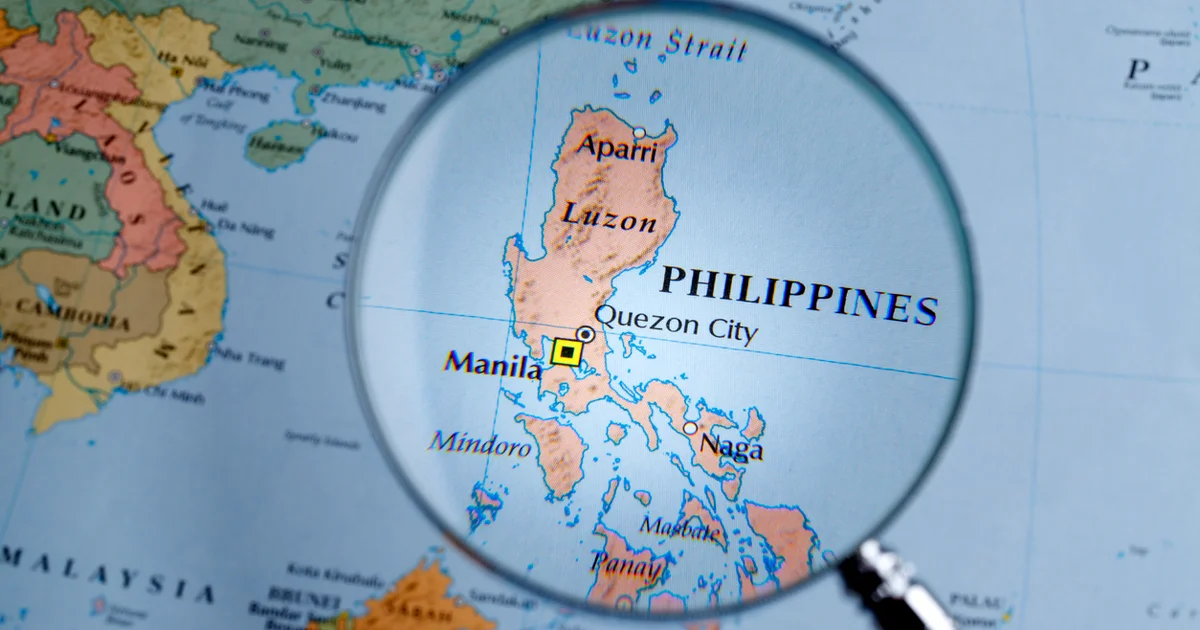
The Government of the Republic of the Philippines is set to host the International Conference on Seafarers’ Human Rights, Safety and Well-Being from September 1 to 3, 2025, in Manila. The conference, under the theme “No one left adrift: Seafarers at the cross currents of commerce, conflict, and change,” will bring together diplomats, policymakers, civil society representatives, and international organizations to address systemic challenges facing seafarers worldwide and advance human rights protections in the maritime sector. This initiative follows the adoption of UN Resolution 56/18 on “Promoting and Protecting the Enjoyment of Human Rights by Seafarers,” spearheaded by the Philippines during the 56th Session of the Human Rights Council in July 2024. The resolution led to the signing of the Magna Carta of Filipino Seafarers by the Philippine President on January 8, 2025, establishing foundational protections for seafarers from the Philippines and beyond.
Announced at the 59th Human Rights Council session in Geneva on June 19, 2025, the upcoming conference will feature core discussions focusing on issues such as unpaid wages, abandonment, workplace violence, insufficient medical care, excessive workloads, and discrimination in maritime workplaces. A key panel titled “Upholding Human Rights at Sea for all and at all times” will emphasize the universal applicability of international human rights laws, transcending geographical boundaries to safeguard rights for seafarers, often overlooked on international voyages or in flag-of-convenience jurisdictions.
Despite existing frameworks like those outlined by the International Labour Organization (ILO), the maritime industry remains plagued by persistent challenges that affect the physical and mental well-being of its workforce. By the close of the conference, the Philippine Government aims to issue a Declaration on Seafarers' Human Rights, Safety, and Well-being, with endorsement sought from governments, shipping companies, and seafarer advocacy groups. This document is intended to establish a global commitment toward addressing the vulnerabilities of workers at sea, potentially shaping the direction of future policies and enforcement mechanisms.
David Hammond, Founder and President of Human Rights at Sea, praised the Philippines for spearheading this initiative, stating that the conference represents a critical opportunity to enact systemic changes in the maritime industry. He noted that if successful, it could serve as a transformative moment for raising international standards and ensuring seafarers’ rights are upheld globally. Hammond emphasized the conference’s role as a potential litmus test for state-led advancements in rights protections within this traditionally underregulated industry.
Why this matters
Seafarers are indispensable to the global economy, facilitating over 90% of world trade by volume, yet often remain excluded from meaningful protections due to the transnational nature of their profession. Long working hours, limited access to connectivity, and precarious employment contracts expose them to hazards ranging from mental health deterioration to outright abandonment in foreign ports. The Philippines is uniquely positioned to lead this international effort, as one of the largest sources of maritime labor globally, with millions employed across crews and shipping fleets.
The proposed Declaration on Seafarers’ Human Rights, if widely endorsed, could redefine compliance standards for shipowners and charterers, imposing stricter accountability in terms of labor conditions, pay, and safety protocols. Such systemic reforms might shift industry norms, creating ripple effects across maritime insurance, legal enforcement, and supply chain audits. For nations and organizations dependent on Filipino and international crews, this conference offers an opportunity to embed human rights into operational frameworks and drive home the message that protecting workers is not only ethical but essential for sustained commercial success.
Additionally, stronger protections and clearer enforcement guidelines could bolster seafarers’ trust in the maritime regulatory apparatus, encouraging greater labor retention and reducing turnover in an industry already grappling with workforce shortages. Improved employment practices would have far-reaching financial and operational implications, benefiting shipping companies, flag states, and port authorities alike.
Should the International Conference on Seafarers’ Human Rights succeed in fostering actionable commitments, it may become a cornerstone for future collaborations tackling seafarer exploitation and security challenges globally. The maritime community will closely monitor the content and reception of the 2025 Declaration as a harbinger of regulatory advancements and responsibility-sharing among international stakeholders.