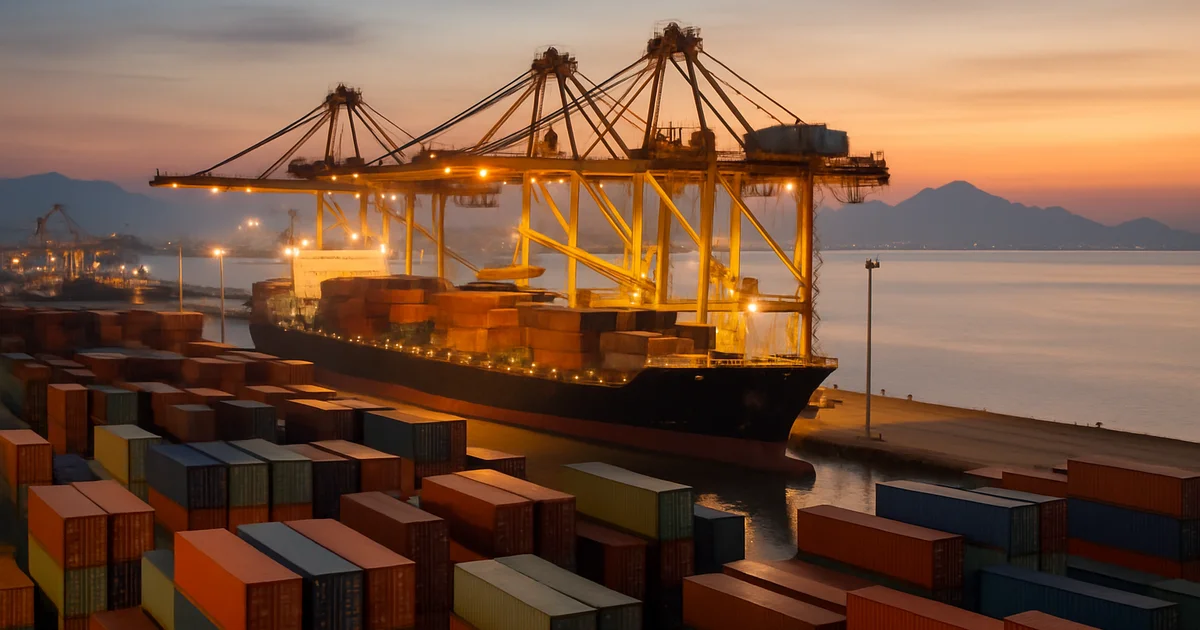
PSA Corporation, a global leader in port operations, has announced plans to develop a multimillion TEU deep-sea port hub in Vietnam. The facility, which is set to become a central component of regional logistics, aims to handle approximately 4.5 million TEUs upon completion. This announcement underscores PSA's strategic expansion efforts in Southeast Asia, where trade volumes have been on an upward trajectory.
The development will be located in the Thị Vải River area, a location chosen for its advantageous proximity to major shipping routes. The hub aims to enhance Vietnam's capability to cater to larger vessels and increased cargo throughput. PSA Corporation's investment reflects a broader industry trend towards establishing strategic port locations in burgeoning economic zones.
According to a statement from PSA's Chief Executive Officer, the facility is expected to play a pivotal role in boosting Vietnam's maritime trade prospects. "Establishing a port of this capacity is essential for meeting the region's increasing demand and supporting the inflow and outflow of international trade," he noted.
The plans for this deep-sea port align with regional governments' initiatives to bolster infrastructure and transport networks. Vietnam has been investing heavily in improving its logistics capabilities to remain competitive in the global trade landscape. More robust port infrastructure is envisioned to decrease transit times and operational costs for shippers, thereby attracting more business to the area.
Why this matters
PSA's decision to develop a 4.5 million TEU deep-sea port hub in Vietnam is significant for several reasons. The port will strengthen Vietnam’s role as a critical link in international trade routes, particularly for those connecting to Europe and North America. Port development of this scale can drastically improve supply chain efficiency, offering businesses reduced transit times and increased reliability.
For vessel operators, particularly those managing larger container ships, the availability of additional deep-sea port capacity will allow for more flexible scheduling and the use of larger vessels, which in turn could lead to economies of scale. This enhancement in capacity is crucial for addressing the ongoing growth in containerized cargo demand in the region.
Moreover, with competition rising from neighboring countries also expanding port facilities, such strategic developments are vital for maintaining Vietnam's competitive edge in regional trade. Enhanced port capabilities could greatly improve Vietnam's attractiveness as a transhipment hub for cargo heading to other Southeast Asian countries.
Finally, the construction and operation phases of such a large-scale project are expected to generate significant economic benefits locally, including the creation of jobs and the development of secondary industries supporting port operations.
In conclusion, PSA's investment into a new deep-sea port in Vietnam signals strategic growth in port capacity and throughput for the region. The development will contribute to Southeast Asia's logistics infrastructure, addressing both current demand and anticipated future increases. This port expansion is expected to create opportunities for shipping lines to optimize their routing and leverage the efficiencies offered by larger vessels and advanced port facilities.