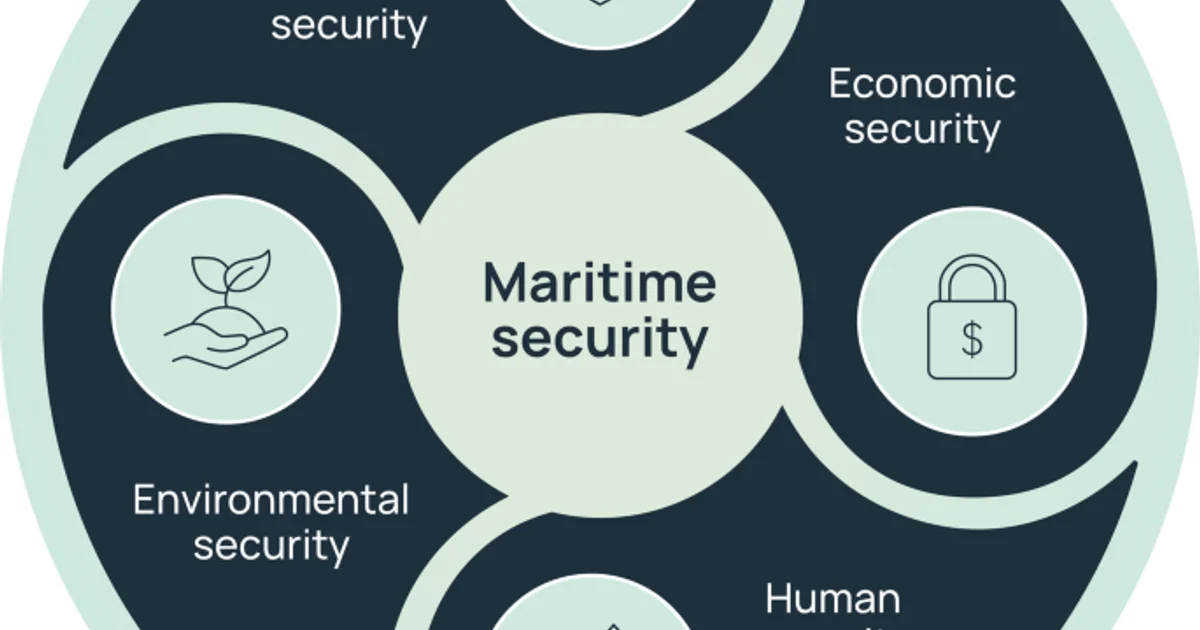
Maritime security is undergoing a paradigm shift, as experts increasingly advocate for inclusive and interdisciplinary frameworks to address risks ranging from piracy to ecological degradation. This evolving narrative highlights the interconnection between geopolitical interests, environmental health, and social equity, challenging traditional approaches to governance.
According to Germond, the strategic importance of maritime routes and resources frequently shapes international power dynamics, underscoring how global commerce and regional stability are often entwined. Meanwhile, Bruwer’s analysis of transnational organized crime—such as piracy, human trafficking, and illegal fishing—illustrates its destructive impact on both socio-economic livelihoods and Sustainable Development Goals (SDGs), particularly in vulnerable regions such as the Western Indian Ocean.
Integrated solutions remain pivotal, a sentiment echoed by Bueger and Edmunds, who call for frameworks that consider local governance traditions, cultural practices, and social dimensions often sidelined in high-level policy discussions. Indeed, the authors advocate for moving beyond traditional approaches to security and instead addressing seablindness—a concept urging nations to recognize the full scope of maritime vulnerabilities and opportunities through an inclusive lens.
Emerging practices in maritime governance also increasingly spotlight “blue justice” and “blue growth” concepts, championed by researchers like Cohen. These initiatives prioritize equitable management of marine resources, granting vulnerable communities greater agency in decision-making processes. Fabinyi and others further argue that such frameworks must account for small-scale fisheries and their socioeconomic significance, ensuring sustainability initiatives align with human rights and social equity.
Climate change and deteriorating marine ecosystems add complexity to these challenges. As McDonald notes, ecological security now converges with maritime governance, urging nations to incorporate environmental resilience into security agendas. This viewpoint gains traction in discussions by Bennett et al. examining the balance between ocean economy growth and safeguarding justice for affected communities.
Why this matters
The broadening scope of maritime security has profound implications for shipowners, operators, and coastal nations. Threats like piracy and illegal fishing directly affect daily operations, increasing risks to vessels, cargo, and personnel. At the same time, the growing emphasis on equitable resource management and sustainability could reshape how operators engage with smaller-scale fisheries and local economies in key maritime regions.
For coastal states and international partnerships, evolving governance frameworks must balance geopolitical interests with environmental and social imperatives. Nations relying on fragile ecosystems for both economic benefit and security face mounting pressure to implement policies that address multifaceted threats without marginalizing vulnerable populations.
Incorporating ecological resilience into maritime security represents another operational shift. Shipyards, classification societies, and regulators may see increased demand for eco-friendly retrofitting and vessel designs as this intersection between security and sustainability deepens.
Looking ahead, maritime operators and policymakers will need to adapt to expanding governance priorities that integrate ecological, social, and geopolitical considerations. The focus on “blue justice” could redefine the standards for participatory decision-making where operators engage directly with affected communities, ensuring inclusive growth and sustainable practices. Attention to climate resilience and small-scale fisheries will likely intensify as maritime security continues to broaden its interdisciplinary scope.