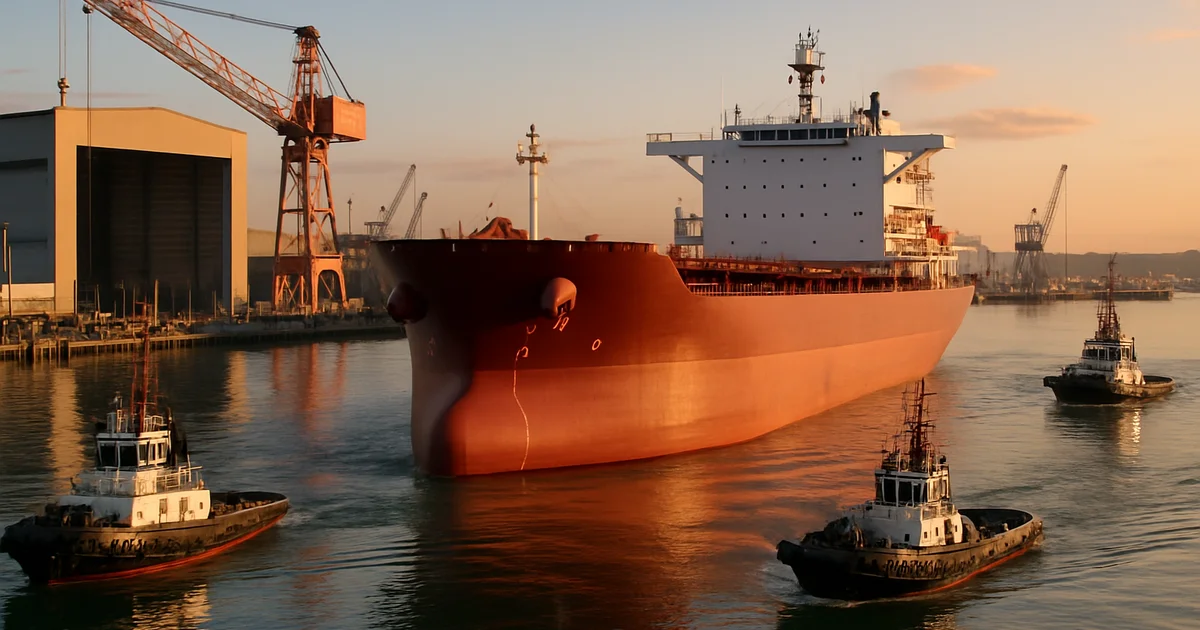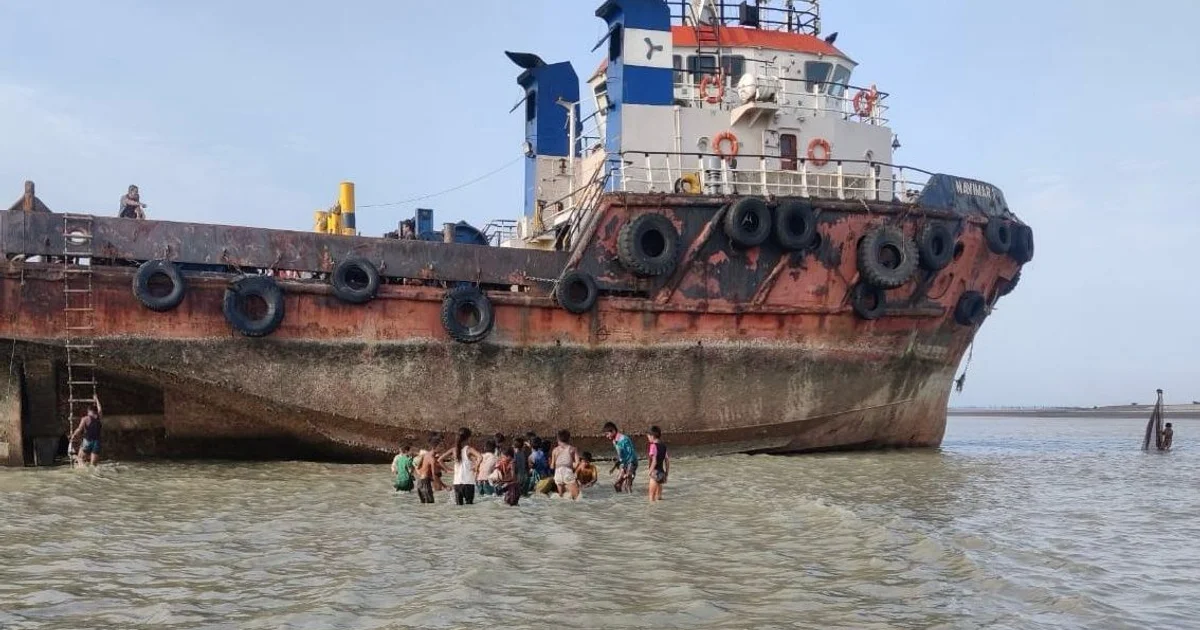
In October 2020, Angel Brito, a cargo ship engineer, faced dire conditions off the coast of Sharjah, UAE. After six months without communication from his ship’s owner, he realized their vessel was at risk of becoming a “dead ship,” lacking electricity and potable water, leading to dangerous situations for the crew who were resorting to fishing for food. This situation was exacerbated by the COVID-19 pandemic, which affected global shipping and labor dynamics. Unfortunately for Brito, he developed a kidney condition that required urgent treatment, yet he struggled financially due to unpaid wages and was ineligible for disability claims.
Brito’s experience highlights a larger crisis within the maritime industry, particularly the increasing trend of ship abandonment. In 2024 alone, the International Transport Workers’ Federation (ITF) reported 312 abandoned ships, with an alarming rise over the years. Abandoned seafarers, particularly Filipinos, suffer significantly, as they often find themselves stranded without resources and facing harsh living conditions due to abandonment by shipowners who neglect their responsibilities, such as non-payment of wages and failure to provide repatriation support.
The ITF defines abandonment under the 2006 Maritime Labour Convention, which includes scenarios where shipowners fail to pay wages for two months or refuse to support crew maintenance. In Brito’s case, all three conditions applied, leading to severe consequences for him and others stranded on their vessels. The dishonor of abandonment has persisted, partly due to the proliferation of ships registered under flags of convenience (FOCs), which allow owners to operate under more lenient regulations and lower costs. In 2024, 82% of the abandoned ships were linked to FOCs, complicating any legal recourse for the affected seafarers.
Brito’s plight is further echoed in the experiences of other seafarers like John Lyod “Jack” Restauro, who endured two years of abandonment exacerbated by the pandemic. The promise of good earnings, often luring Filipino workers to seafaring, frequently masks the underlying exploitative practices that lead to abandonment, affecting their ability to support families back home. Both Brito and Restauro criticized the systemic issues that place seafarers in vulnerable positions, calling for stronger interventions from their government to expedite repatriation and support.
Despite these hardships, Brito and Restauro express resilience, with Brito now recognizing the value of family time after retirement, and Restauro, a new father, remaining hopeful about his career, albeit wary of future abandonment. Their stories underline the urgent need for reform in the maritime industry, emphasizing the necessity for international collaboration and regulation to protect seafarer rights and prevent abandonment.