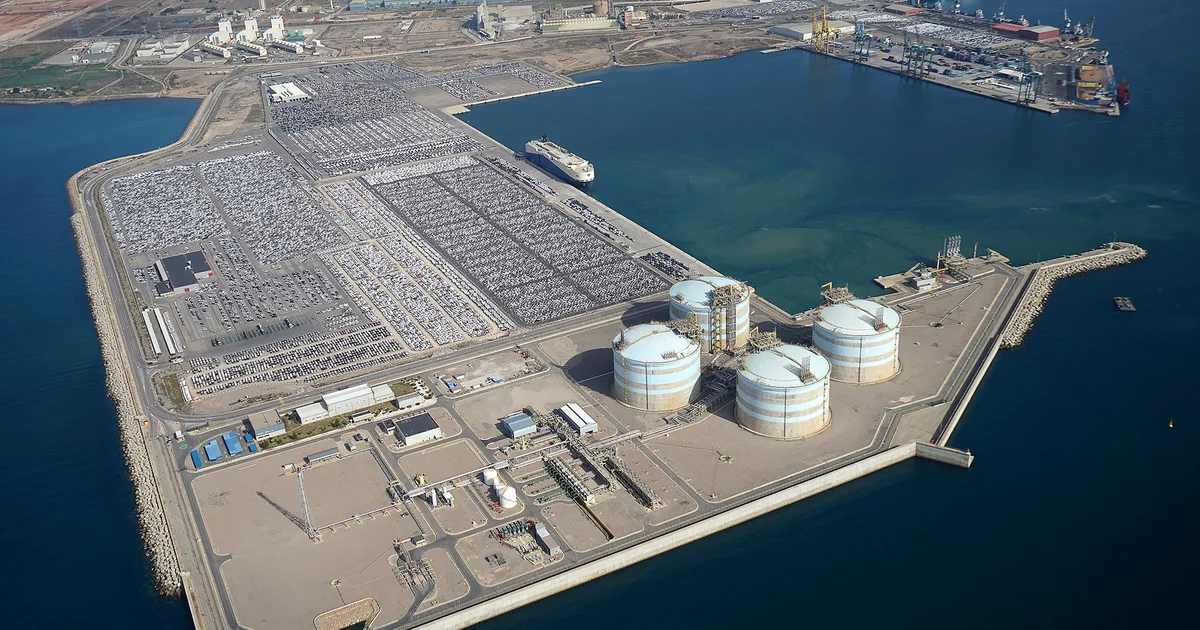
Saggas, the operator of the Sagunto regasification plant, and Valenciaport, managed by the Port Authority of València (PAV), have signed a memorandum of understanding to jointly advance innovation in renewable gases and carbon dioxide (CO2) management for the maritime sector. The agreement, formalized on December 4, 2024, outlines a strategic collaboration aimed at implementing storage, generation, and logistics solutions for sustainable energy sources. Rosa María Prieto, President of Saggas, and Mar Chao, President of PAV, signed the memorandum, marking a significant step towards decarbonizing port activities and logistics operations.
The partnership will focus on developing projects that integrate renewable gases such as hydrogen and BioGNL (biomethane liquefied natural gas) within port and logistics infrastructure. Saggas plans to leverage its existing capabilities at the Sagunto regasification plant to improve operational synergies and support the energy transition goals laid out by the European Union’s sustainability frameworks. Specifically, the initiative aligns with European regulatory mandates such as the European Green Deal, the Fuel Maritime Initiative, and the Alternative Fuels Infrastructure Regulation (AFIR), which press maritime operators to adopt cleaner energy solutions.
According to Saggas, the collaboration is designed to address decarbonization challenges in maritime-port operations while creating solutions that benefit the wider logistics chain and surrounding regions. Mar Chao of PAV remarked that this alliance reinforces Valenciaport’s dedication to achieving environmental compliance and operational sustainability, laying the foundations for cleaner energy transitions throughout its jurisdiction. The memorandum highlights the potential for large-scale renewable gas deployment within port infrastructure, which is essential to reducing carbon intensity and meeting stringent emissions targets.
Why this matters
The maritime industry faces mounting pressure from regulatory authorities to decarbonize, particularly under provisions such as AFIR that require ports and logistics networks to support alternative fuel infrastructure. Partnerships like the one between Saggas and Valenciaport demonstrate how operators can collaborate to introduce innovative low-carbon energy solutions, potentially serving as a model for others in the sector. By utilizing facilities like the Sagunto regasification plant, the collaboration also showcases how existing assets can be repurposed to accelerate the transition to renewable fuels, mitigating capital expenditure on entirely new infrastructure.
Operational implications include greater integration of BioGNL and hydrogen-based energy into port operations, benefiting vessel energy efficiency and compliance with upcoming emissions standards. Additionally, the involvement of strategic partners ensures the logistics chain benefits from cleaner fuels while improving overall regional energy sustainability. For shipowners, ports equipped with renewable energy capabilities offer not just regulatory compliance advantages but also potential operational cost efficiencies over traditional bunker fuels.
The agreement between Saggas and Valenciaport signals a forward-looking approach to energy transitions, setting the stage for the port and maritime sectors to play a critical role in broader decarbonization efforts. As regulatory deadlines approach, operators across Europe will increasingly look for similar collaborative models to meet compliance requirements and enhance energy infrastructure resilience.