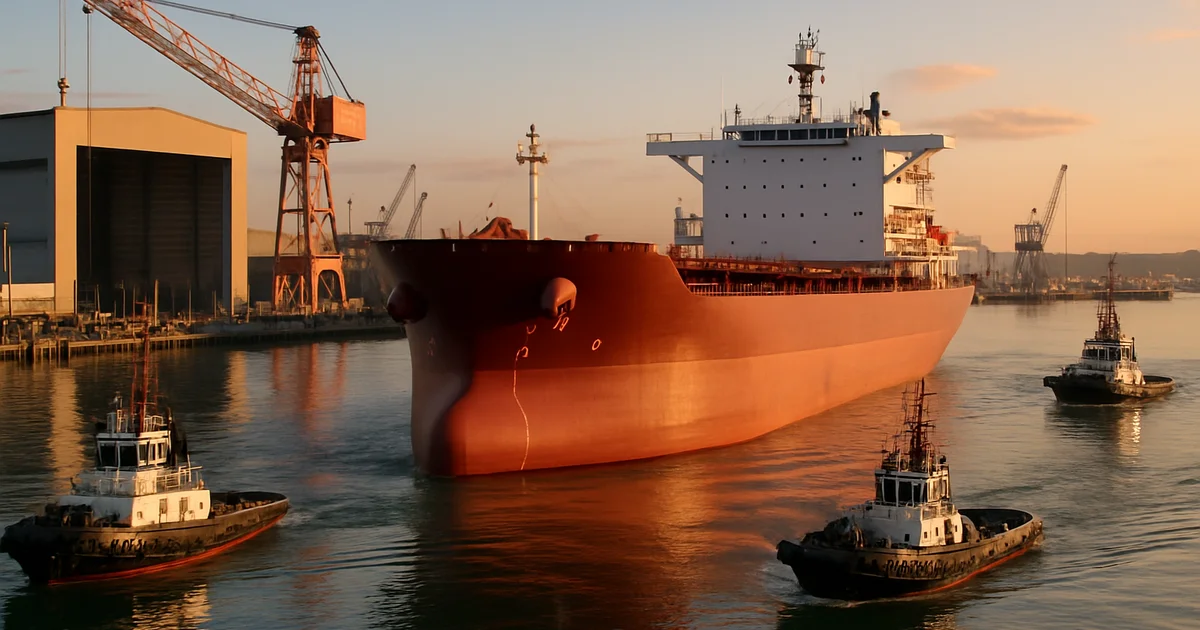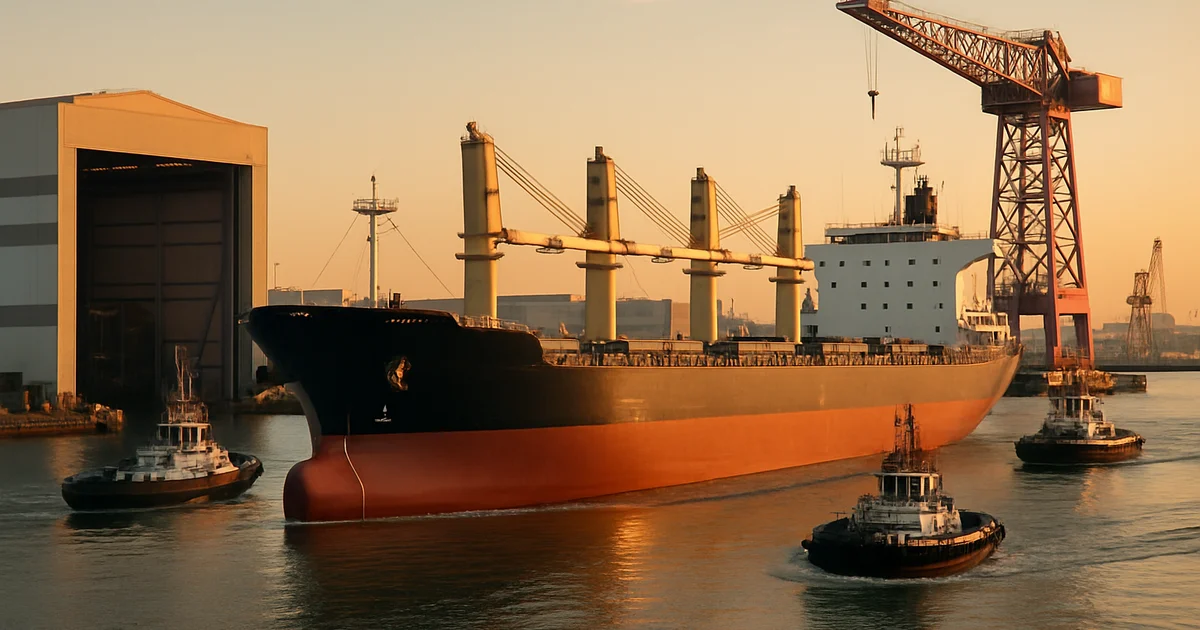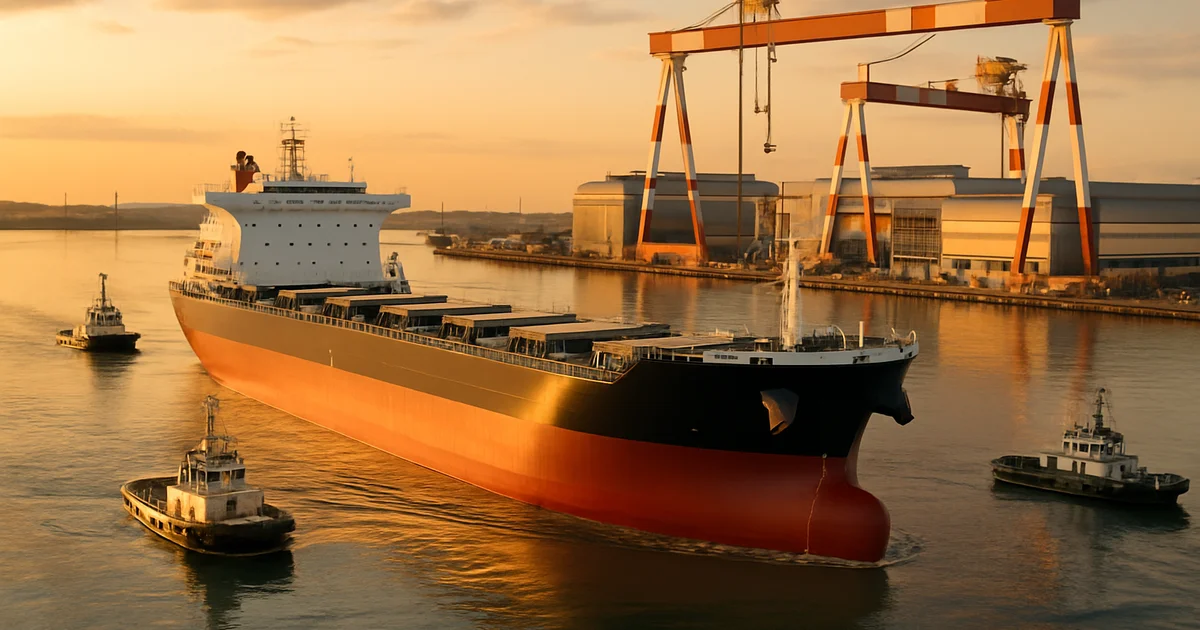
Saronic, a significant player in the maritime industry, has announced its decision to develop a $3 billion shipyard named Port Alpha in Texas. This shipyard will be focused on constructing autonomous vessels. The completion of Port Alpha is set to bolster Saronic's capabilities in sustainable and automated maritime technology.
The ambitious project, strategically located to cater to North America’s maritime demands, underscores Saronic’s investment in innovative maritime infrastructure. According to the company’s statement, the shipyard will feature advanced capabilities specifically designed for the assembly and maintenance of unmanned vessels. This marks a significant expansion in the scope of the United States' shipbuilding sector.
Construction of the facility will take place in phases, with state-of-the-art technology incorporated to align with green shipping initiatives. The shipyard will be equipped with cutting-edge manufacturing equipment to facilitate the production of ocean-going autonomous ships, which are expected to play a key role in future shipping paradigms due to reduced crew requirements and potential efficiency gains.
James Thompson, CEO of Saronic, stated that the company aims to lead the charge in autonomous vessel technology, reflecting a shift towards sustainability and innovation in maritime construction. The shipyard will serve as a hub for developing technologies that reduce emissions and enhance operational efficiency.
Why this matters
The establishment of Port Alpha is poised to have multiple implications for the maritime industry. As a hub for autonomous vessel production, the facility could significantly impact the development and adoption of unmanned ships, potentially leading to shifts in traditional crew vessel operations and cost structures. By building autonomous vessels, Saronic is responding to the growing demand for smart shipping solutions that can deliver operational efficiency and environmental compliance.
In terms of logistics and trade, the shipyard will strengthen the production capacity needed to support trade routes increasingly reliant on autonomous technology. This could impact freight rates and vessel deployment strategies as operators reassess cost and crew requirements with these technological advancements.
The introduction of such a facility also has implications for the competitiveness of North American shipyards. It may drive innovation in the sector by setting new standards and practices for sustainable and automated ship production, influencing both domestic and international maritime markets.
Looking ahead, the construction and operationalization of the Port Alpha shipyard is expected to influence the maritime industry's approach to automation. Operators and charterers should anticipate shifts in vessel orders and technology integration as this development progresses. Furthermore, regulators might consider new frameworks to address the unique challenges and opportunities presented by the increased presence of autonomous vessels on global shipping lanes.