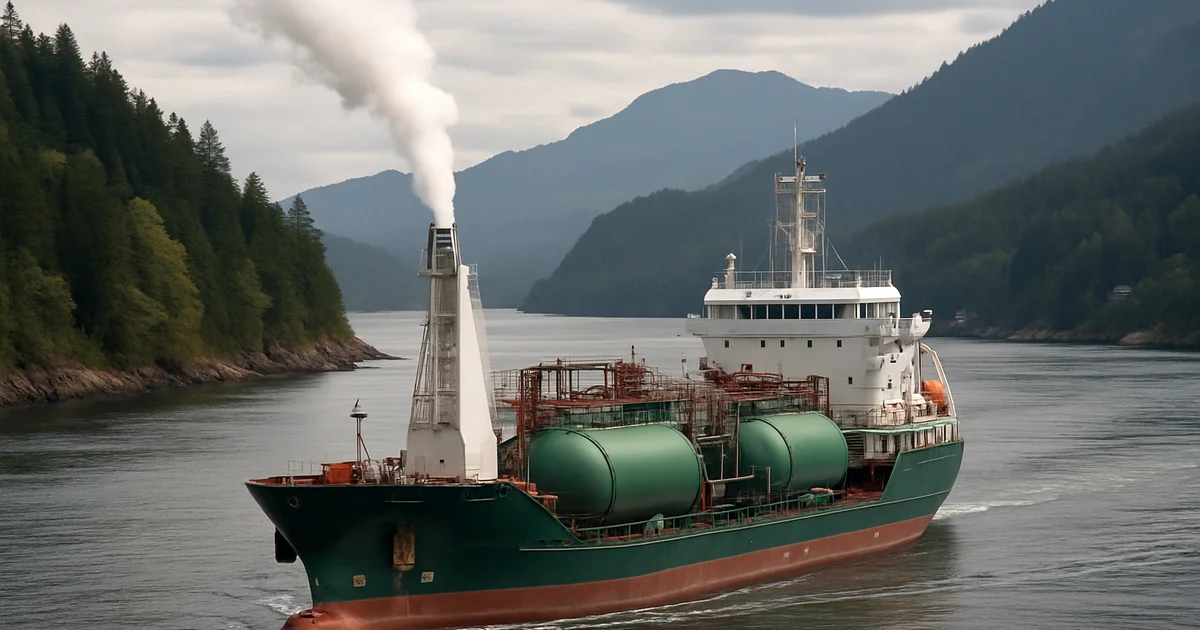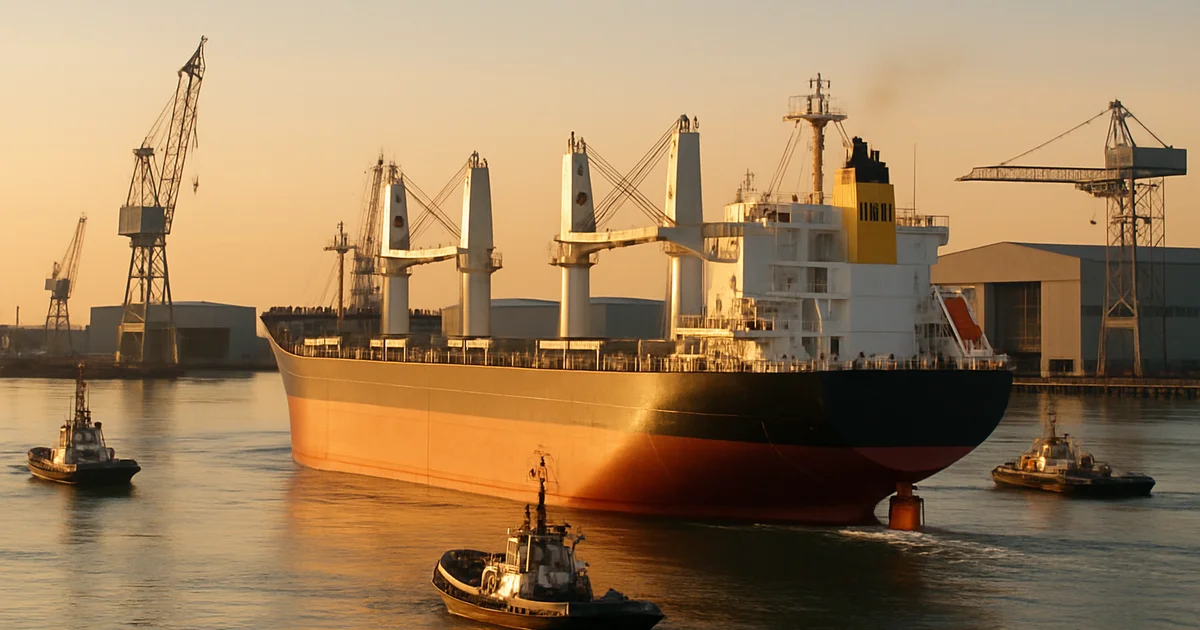
Seaspan Corporation and Maersk Line have implemented a joint strategic initiative to enhance fleet efficiency through an extensive vessel upgrade programme. This collaboration focuses on improving operational capabilities and environmental performance across their maritime networks.
The comprehensive upgrade effort includes the retrofitting of a total of 30 container ships with state-of-the-art energy-efficient technologies. Key upgrades involve the installation of advanced hydrodynamic propellers and energy-saving bulbs, alongside the integration of improved ballast water management systems. These enhancements are aimed at achieving significant reductions in fuel consumption and emissions.
Lauritzen Kosan, Maersk's Director of Fleet Management and Technology, explained that these efforts are designed to align with evolving environmental standards and ensure compliance with forthcoming regulatory requirements. The enhancements not only aim to boost operational efficiency but also reduce the carbon intensity of the fleet, contributing to broader decarbonisation goals.
Seaspan's participation in this programme underscores its commitment to sustainability and operational excellence. The company has been actively pursuing green technology solutions to meet industry demands for cleaner shipping. With this upgrade, Seaspan's fleet is well-positioned to adapt to the changing regulatory landscape and improve its overall market competitiveness.
The strategic fleet upgrade comes at a time when the global maritime industry is under considerable pressure to reduce its environmental footprint. International Maritime Organization (IMO) regulations and market expectations for sustainable operations have become increasingly stringent, driving shipping companies to invest significantly in technologies that enhance fleet efficiency and emissions performance.
Why this matters
The upgrade programme has significant operational and regulatory implications for the maritime industry. The adoption of energy-efficient technologies reduces operational costs by lowering fuel consumption, thus delivering economic benefits to operators. Additionally, by aligning with IMO regulations, shipping companies can avoid potential non-compliance penalties, which can be significant.
The transition towards sustainable operations is becoming a competitive differentiator within the maritime sector. Enhanced fleet efficiency not only meets environmental expectations but also improves marketability for charterers seeking partnerships with operators committed to sustainability. This trend signals a broader shift as shipping companies recognise the benefits of future-proofing their fleets.
Integrating these advanced technologies requires careful coordination to minimise service disruption. The operational success of such an initiative depends on seamless integration with existing fleet management systems, ensuring that the technological upgrades translate into tangible performance improvements.
The strategic vessel upgrade initiative by Seaspan and Maersk is a clear indicator of the industry's commitment to reducing its environmental impact. As regulatory frameworks evolve, similar initiatives are likely to become more prevalent, pushing other operators to follow suit in order to remain competitive in a rapidly changing market environment.