Global maritime organizations have formed an International Advisory Committee on Global Maritime Affairs (IACGMA) in collaboration with the Philippines’ Department of Migrant Workers. This initiative aims to tackle the challenges faced by Filipino seafarers, following discussions with President Ferdinand ‘Bongbong’ Marcos Jr. in December regarding maritime issues raised by the European Maritime Safety Agency (EMSA).
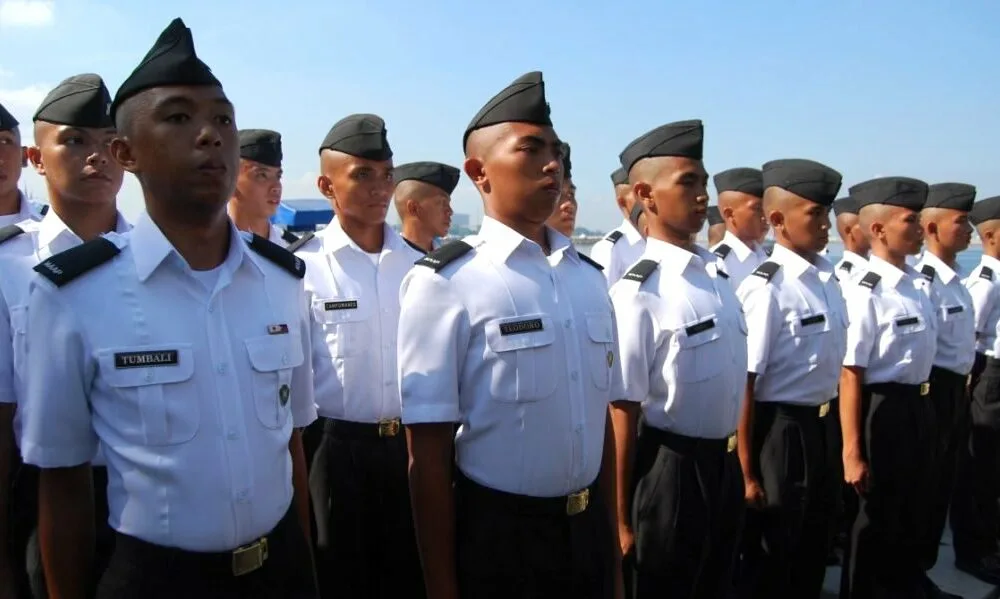
The Philippines stands as the largest global supplier of seafarers, contributing about 14% of the worldwide maritime workforce employed on various vessels. EMSA has highlighted ongoing deficiencies in Filipino training protocols, which could jeopardize seafarers’ employment on EU-flagged vessels. Consequently, the IACGMA’s primary goals include enhancing training compliance with the Standards of Training, Certification and Watchkeeping (STCW) Convention and addressing issues like “ambulance chasing” (predatory practices by lawyers) and unfair labor practices that impact the employability of Filipino seafarers abroad.
Migrant Workers Secretary Susan Ople expressed optimism about the initiative during the signing ceremony, emphasizing the importance of collaboration with respected global shipping industry representatives to create a roadmap that would ensure a just transition for seafarers and enhance their competitiveness. Relevant Philippine government bodies, including the Department of Transportation and the Maritime Industry Authority (MARINA), have endorsed the formation of the committee.
Members of the IACGMA include notable organizations such as the European Community Shipowners’ Associations (ECSA), the International Chamber of Shipping (ICS), the International Maritime Employers’ Council (IMEC), and the International Transport Workers’ Federation (ITF). ECSA Secretary General Sotiris Raptis highlighted the committee’s importance, noting that Filipino seafarers are pivotal for EU shipping and European trade. By collaborating within the IACGMA, ECSA aims to foster productive discussions with EU institutions on critical topics like seafarers’ qualifications, training, and certification.
Overall, the establishment of the IACGMA represents a significant step towards addressing the vocational challenges faced by Filipino seafarers, enhancing their employability and ensuring compliance with international maritime standards, while also strengthening their standing in the global shipping industry.