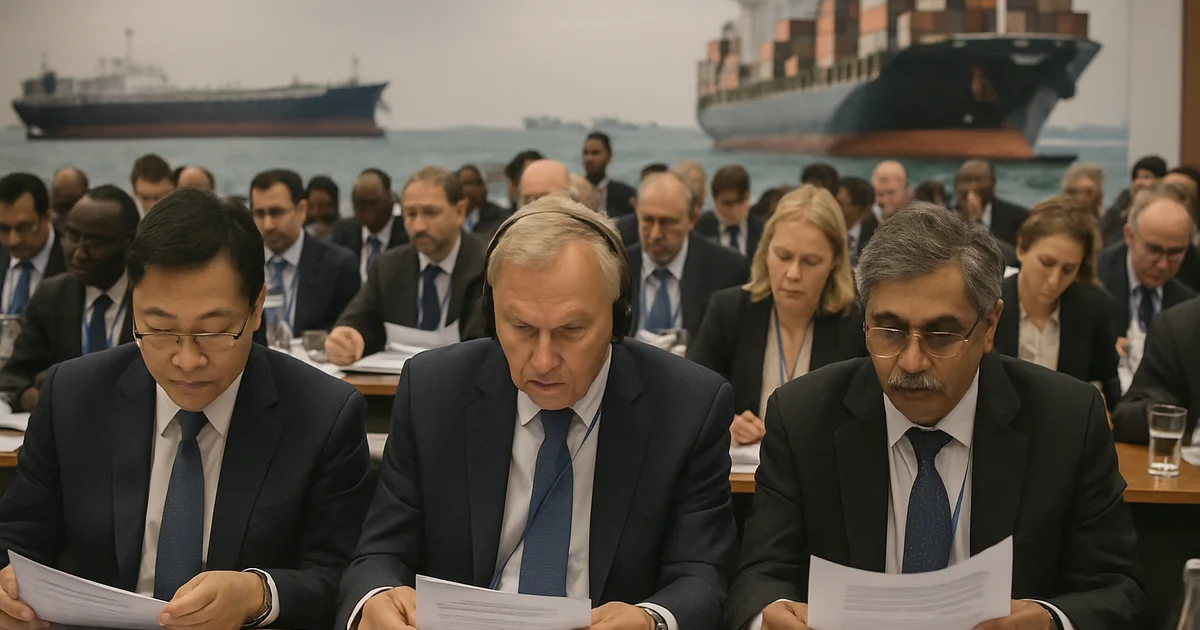
The Special Envoy of the Democratic Republic of Timor-Leste, Ambassador Xanana Gusmão, has called for adherence to international law in resolving maritime disputes. As highlighted by the Khmer Times, Gusmão stressed the importance of lawful proceedings in maritime boundary issues during a recent diplomatic visit.
Ambassador Gusmão, well-known for his role in Timor-Leste's independence, emphasized peaceful negotiation in line with international legal frameworks. He spoke strongly about utilizing platforms such as the United Nations Convention on the Law of the Sea (UNCLOS) for dispute arbitration. Gusmão underscored that adherence to established legal structures is pivotal in ensuring fair and lasting outcomes in territorial waters and exclusive economic zones (EEZ) disputes.
Timor-Leste, a Southeast Asian nation that gained independence in 2002, has in the past navigated complex maritime negotiations with neighboring countries over oil and gas-rich sea boundaries. Its most prominent maritime agreement was struck with Australia in 2018 after proceedings at the Permanent Court of Arbitration in The Hague, which resulted in a treaty delimiting the maritime border.
Why this matters
The call for lawful maritime dispute resolution is significant for the maritime industry as it aims to enhance stability in international waters, a critical factor for global shipping routes. Disputes over maritime boundaries can affect shipping lanes, access to resources, and geopolitical relations. Ensuring negotiations adhere to international law reduces the risk of conflict and promotes sustainable maritime development.
From a regulatory standpoint, the enforcement of international maritime law provides a structured approach for maritime authorities and operators. It ensures that policy decisions are transparent and comply with agreed standards. This fosters a predictable trading environment and supports the secure movement of goods across vital sea routes.
Furthermore, a resolution framework supported by UNCLOS can facilitate better resource management and environmental protection in disputed areas. Such frameworks are essential in maintaining biodiversity and preventing overexploitation of marine resources, aligning with global sustainability goals.
For operators and shipping companies, clear and stable maritime boundaries determined through lawful processes offer strategic planning benefits. Companies can better anticipate changes in navigation routes, legal obligations, and dispute resolution mechanisms, leading to more efficient operations.
As maritime boundary negotiations continue to play a pivotal role in regional cooperation and security, decision-makers in trade logistics and shipping industries must remain cognizant of prevailing legal frameworks and potential shifts in maritime governance. Watch for developments in maritime law that could impact the accessibility of shipping lanes and resource allocation strategies. The case of Timor-Leste demonstrates the effectiveness of legal recourse in settling complex maritime issues, offering a model for other regions facing similar disputes.