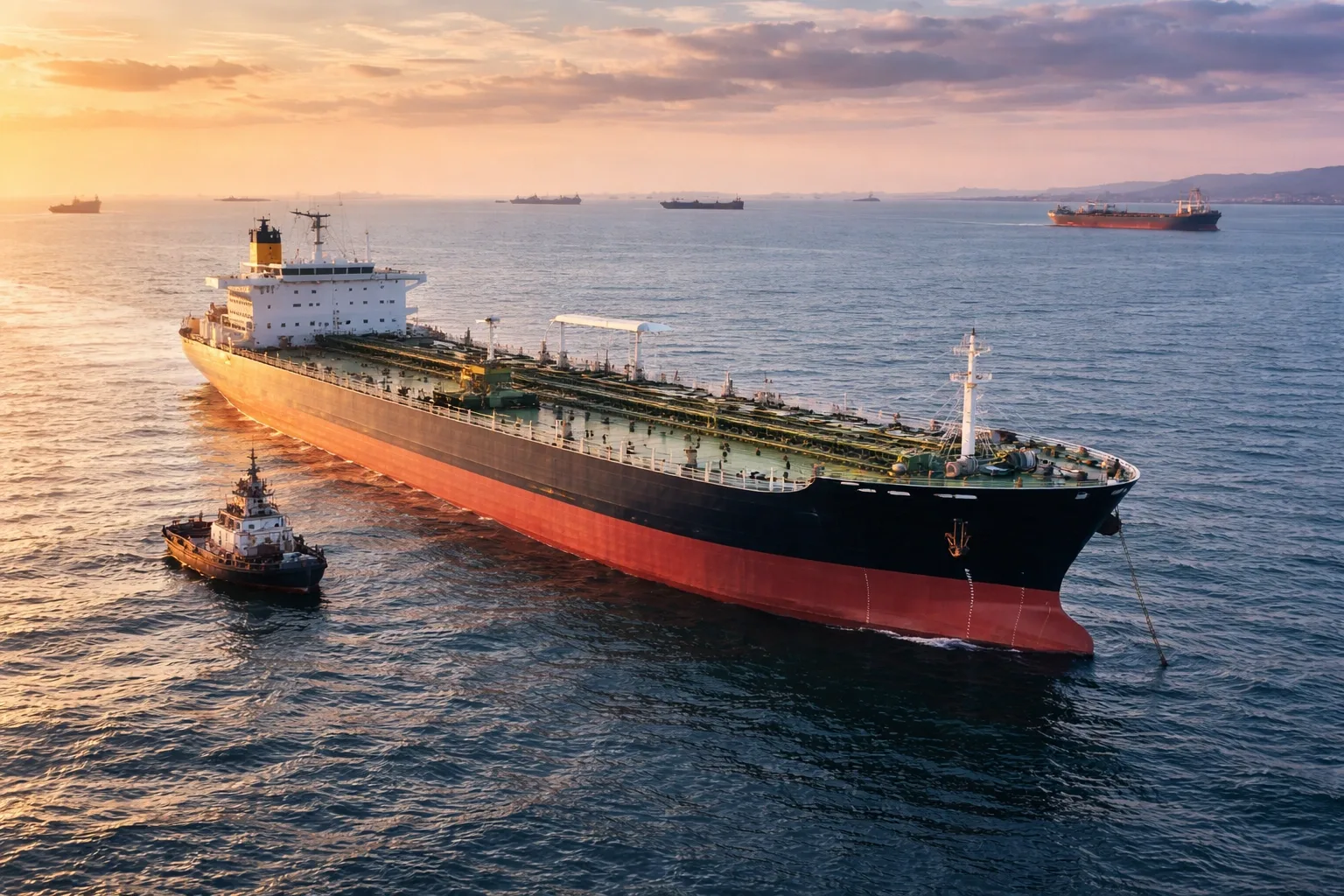
The United States has reinstated a shipping blockade against Iran, once again enforcing restrictions on oil cargoes transiting through the Strait of Hormuz. The blockade is part of broader efforts to increase economic pressure on Tehran. This move comes alongside a new policy imposing a 20% levy on all cargo that passes through the strategically significant waterway. The Strait of Hormuz is a vital maritime corridor where roughly a fifth of the world’s oil supply is shipped, making it a focal point for energy market stability.
Key geopolitical implications accompany the reimplementation of the blockade, which President Donald Trump's administration frames as a stringent measure to counter Iran's regional influence and its nuclear ambitions. The levy applies to all maritime vessels, regardless of flag state, carrying Iranian-origin cargo through Hormuz, potentially impacting trade flows and influencing shipping costs globally. This action follows previous U.S. sanctions that targeted Iran's oil exports, aiming to bring them down to zero.
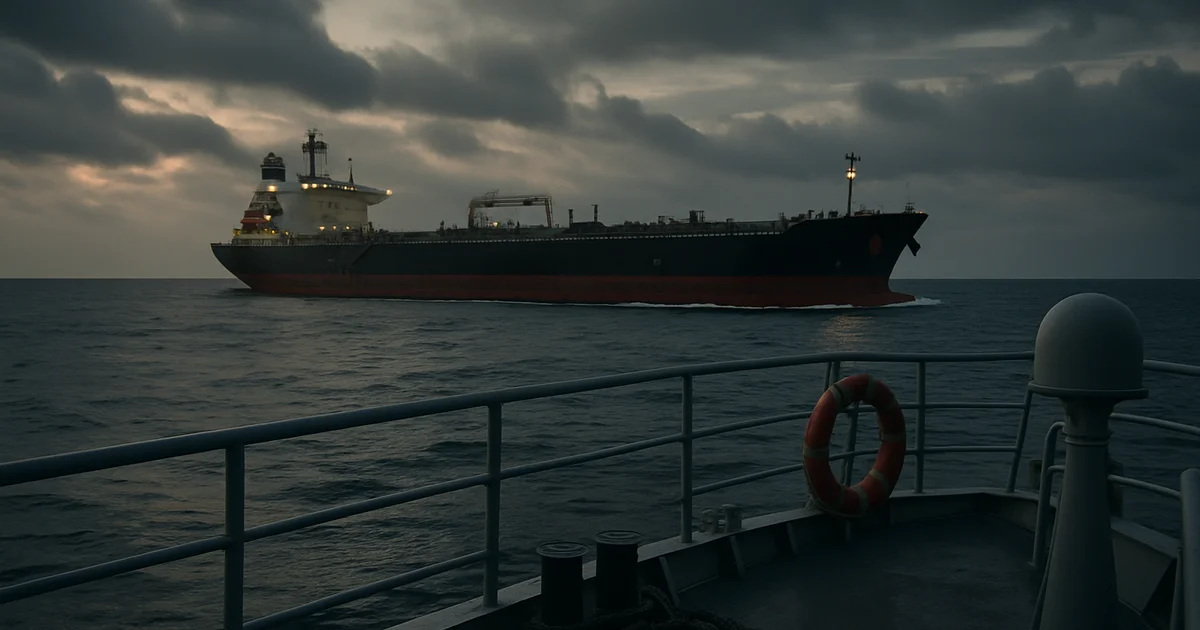
The regulation is expected to create ripple effects across international shipping and energy markets. Shipowners and operators navigating the Gulf region might face heightened operational risks, including potential seizure or detention of vessels suspected of violating U.S. sanctions. The blockade and transactional levy directly affect trading partners reliant on Iranian oil, notably Asian economies with significant energy dependencies.
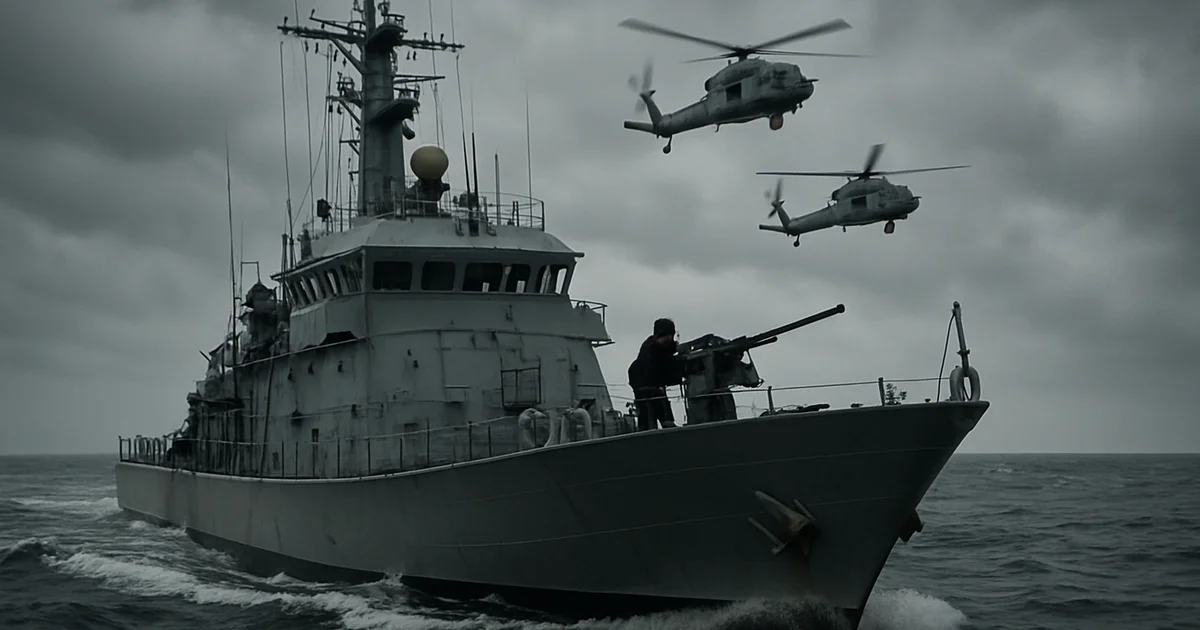
Maritime security in the region stands to become a more pressing concern, as the blockade could escalate tensions in an area already fraught with geopolitical disputes. Increased naval presence by the United States and its allies is anticipated to accompany the blockade enforcement, enhancing surveillance and protective measures for vessels complying with international regulations.
Why this matters
Secondary sanctions exposure for shipping companies and insurers is a critical factor. Vessels caught violating U.S. sanctions could face bans on accessing U.S. ports, among other restrictive actions. This increases due diligence requirements for shipowners and charterers to verify the legality of cargoes and to manage compliance. The overlay of new levies further complicates risk assessments for financial stakeholders involved in the chartering process.
For P&I Clubs and classification societies, there is added complexity in evaluating hull risk and operational exposure in the Gulf region. Heightened likelihood of vessel detention could affect insurance premiums, particularly war-risk premiums, reflecting the increased navigation hazards in a potentially volatile context. The imposition of a freight levy amplifies the need for precise counterparty due diligence, impacting the liquidity and viability of shipping transactions involving Iranian-linked cargo.
Regionally, the Iranian blockade operation carries strategic significance, potentially prompting repositioning within the naval coalitions active in the area. This deployment aligns with a broader security posture to safeguard commercial shipping lanes, potentially influencing regional trade routes and bilateral transportation contracts.
The reimplementation of the U.S. blockade on Iranian shipping in the Strait of Hormuz is likely to escalate maritime operational risks and disrupt energy trade across the region. Analysts and industry stakeholders will be closely monitoring the developments as tensions could affect shipping schedules and insurance terms. Shipowners and operators are advised to closely assess their exposure and compliance frameworks to navigate the increased complexities in Gulf maritime operations.