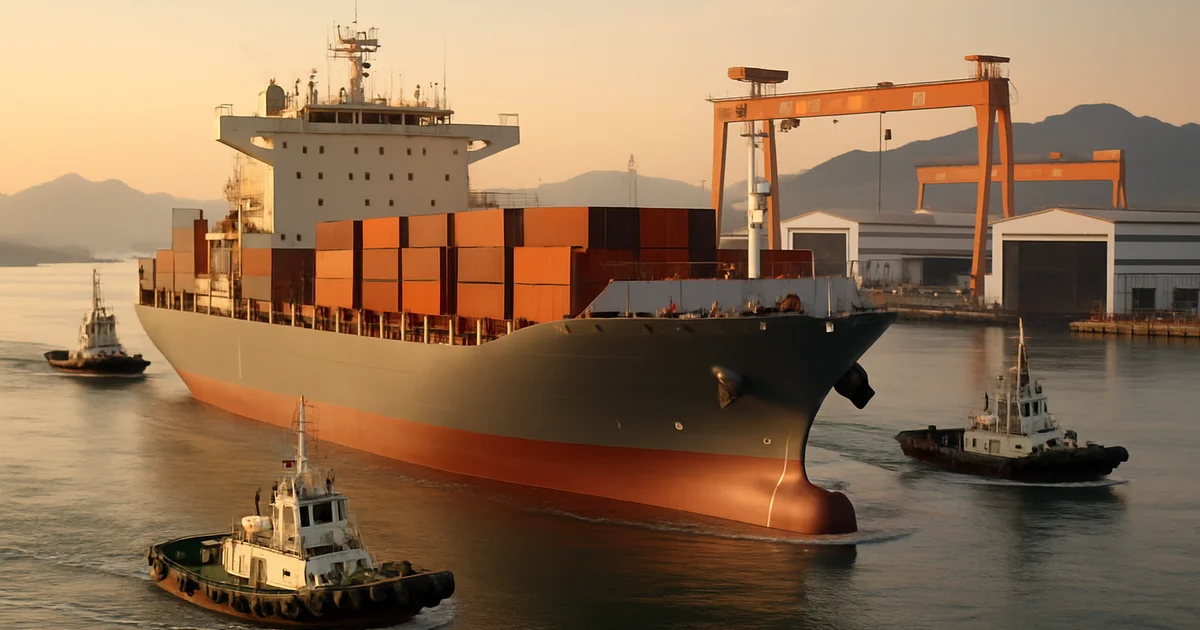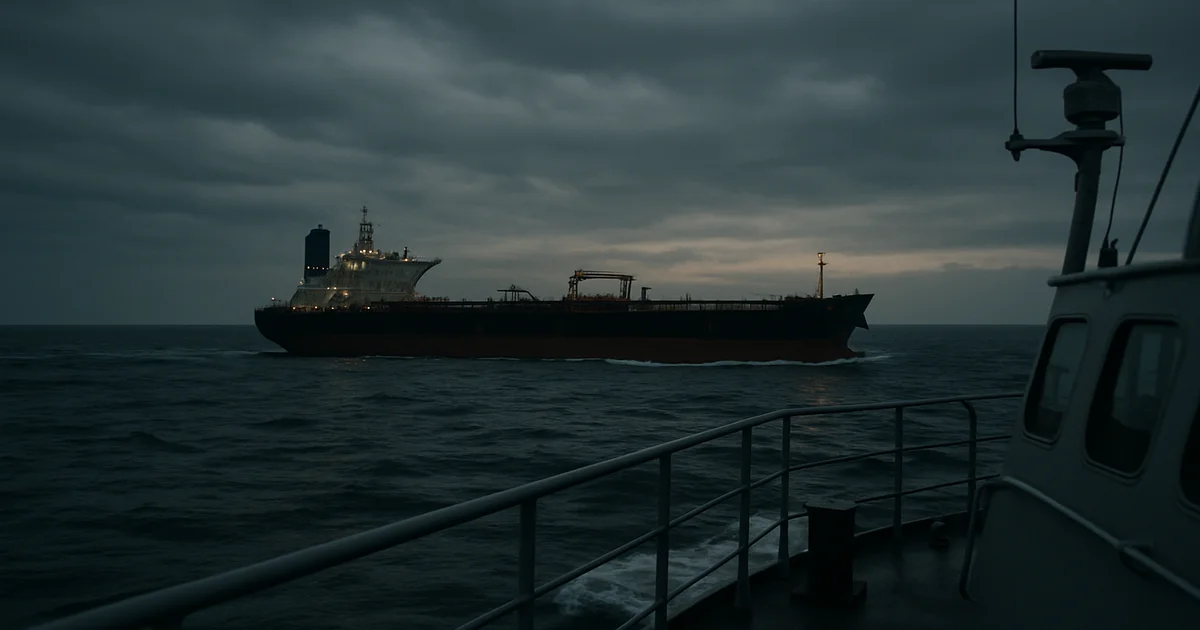
A cargo vessel reportedly came under attack in the Arabian Gulf, according to the United Kingdom Maritime Trade Operations (UKMTO). The incident occurred amid heightened tensions between the United States and Iran, although specific details regarding the vessel’s name, type, and flag have not yet been disclosed by authorities.
UKMTO, which monitors worldwide maritime security risks, issued an advisory detailing the event. The statement cited that the incident took place in the Arabian Gulf, but no confirmation has been provided on whether the vessel sustained significant damage or if crew members were affected. The type of weaponry, method of attack, and the identity of the attackers remain unclear as of the latest reports.
Maritime routes in the Arabian Gulf are critical to global trade, with the Strait of Hormuz facilitating the transit of around a fifth of the world's oil supply. Incidents involving commercial shipping in this area pose a significant concern for operators, especially given the geopolitical volatility surrounding the Gulf region and recent escalations in US-Iran relations.
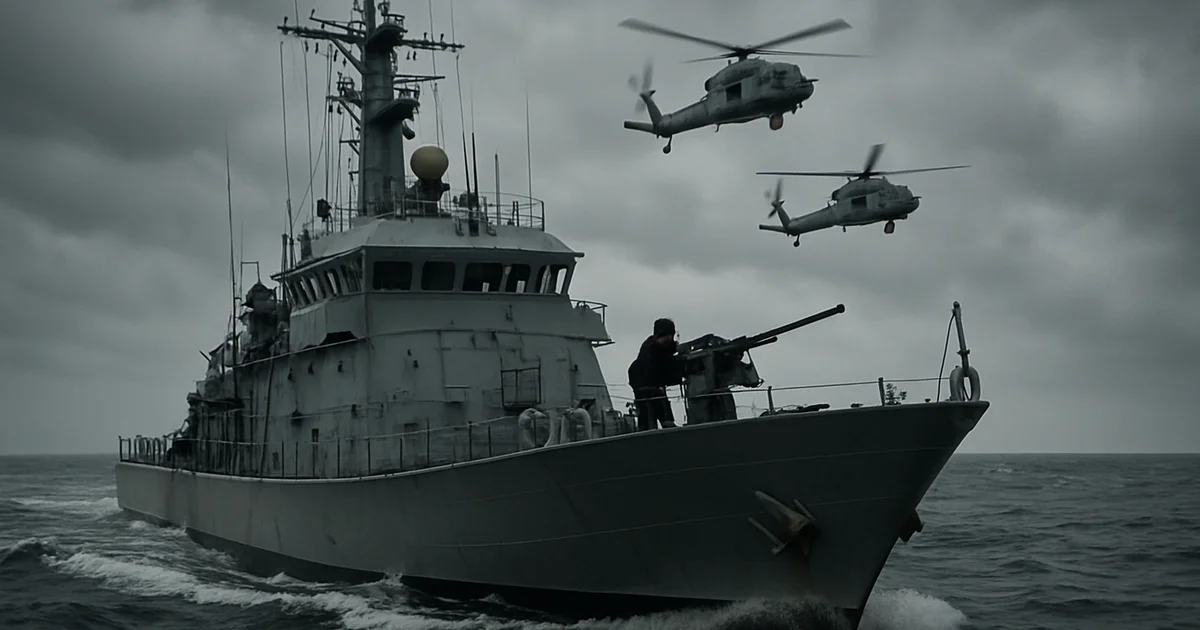
According to previous trends reported by maritime security bodies such as the UKMTO and the International Maritime Bureau (IMB), threats in these waters often involve limpet mines, drone strikes, or boarding attempts. Private security firms and naval escorts are routinely engaged to mitigate risks for vessels transiting this region, particularly for cargo and tanker operators navigating high-risk routes.
Why this matters
The Arabian Gulf is a pivotal artery for the global shipping industry, particularly for the transport of crude oil and liquefied natural gas (LNG). Any disruption in these waters due to attacks or increased military presence could have significant implications, including delays, higher insurance premiums due to war-risk pricing, and geopolitical ripple effects in maritime trade.
Ship operators may face heightened operational costs and increased regulatory scrutiny when transiting high-risk zones such as the Arabian Gulf. Beyond immediate safety concerns, failure to implement robust security measures can expose companies to financial liabilities, reputational damage, and potential contravention of sanctions or international maritime regulations.
The heightened tensions between the US and Iran also amplify risks of retaliatory actions that could target commercial vessel traffic, further stressing the need for vigilance from shipping companies, insurers, and bunker suppliers operating in this region.
Continued security monitoring, early-warning systems like those of UKMTO, and adherence to established naval coalition guidance will remain essential for operators navigating these waters. The potential for escalated confrontations underscores the importance of timely incident reporting and compliance with navigational advisories issued by maritime security bodies.
Maritime operators with vessels transiting the Arabian Gulf are likely to reassess their security measures and route options in light of elevated risks. Insurers and war-risk underwriters will closely evaluate the situation, potentially resulting in adjustments to premiums or coverage terms for voyages in the region. Monitoring official advisories from bodies like UKMTO and coordination with naval forces will be critical for safe and compliant passage.