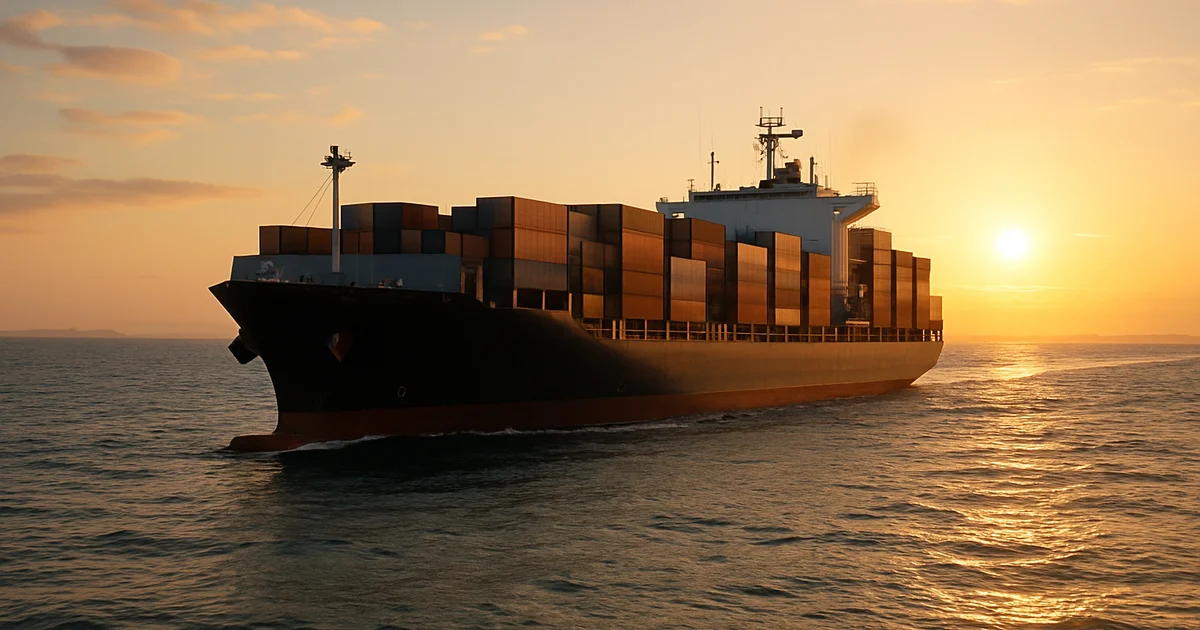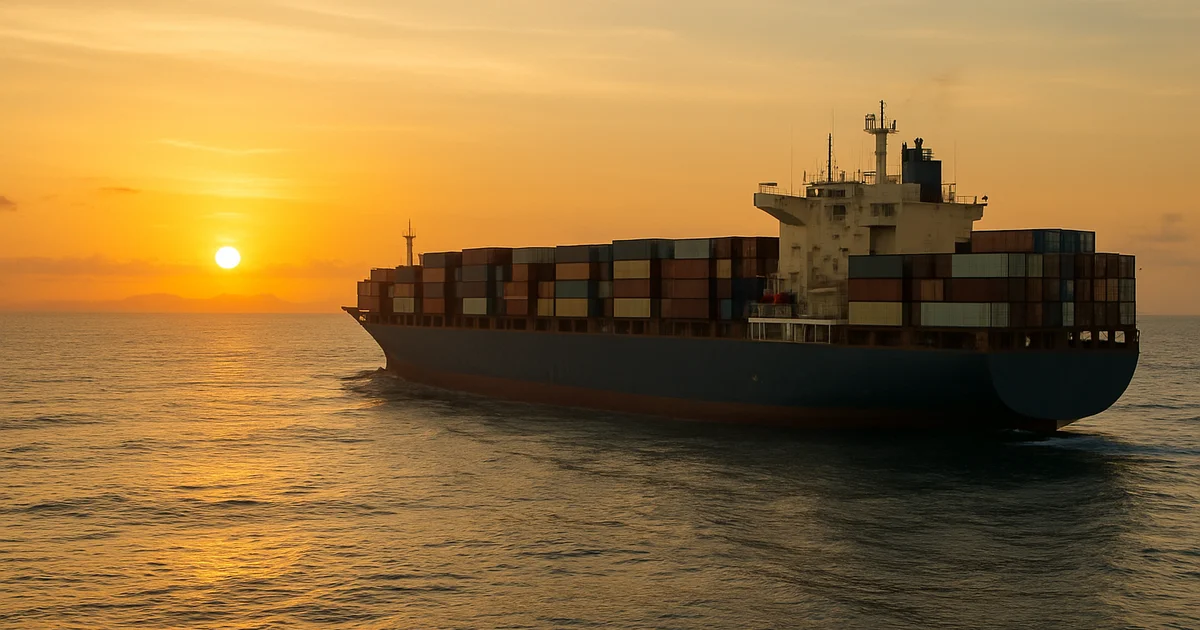
U.S. Authorities have targeted a Chinese-owned freighter, alleging it breached international sanctions by running a blockade on Iran. The freighter is said to be involved in transporting restricted goods to the sanctioned nation, raising concerns over potential violations of the established sanctions regime.
The vessel, identified as being under Chinese ownership, has been accused of engaging in activities that circumvent U.S.-imposed sanctions on Iran. The specific charges involve the freighter allegedly transporting goods in defiance of the blockade intended to limit Iran's economic activities. While the exact nature of the cargo and its value remain undisclosed, the implications of such actions suggest a deliberate attempt to bypass international trade restrictions.
According to U.S. officials, this case is part of a broader effort to enforce sanctions aimed at exerting pressure on Iran's government. The regulatory framework intends to curtail Iran's ability to engage in international commerce, particularly with regards to sectors such as oil, whose revenues could support prohibited activities.
In response, the U.S. authority's action underscores their commitment to uphold sanctions compliance and deter nations or entities that might aid Iran in evading these restrictions. This development also highlights ongoing tensions in maritime trade routes where goods are transported covertly to avoid detection.
Why this matters
This incident with the Chinese-owned freighter presents significant implications for the maritime sector. Primarily, it underscores the risks faced by vessels engaged in potentially unlawful trade activities, including the exposure to secondary sanctions. Vessels involved in such activities may face derecognition by insurance providers and classification societies, increasing their exposure to financial and operational risks.
The incident also exemplifies the challenges in enforcing sanctions across vast and intricate maritime networks. The potential for AIS (Automatic Identification System) spoofing, which allows vessels to disguise their movements and avoid detection, remains a security concern for authorities monitoring these trade routes.
Additionally, this event may prompt a reevaluation of due diligence procedures by charterers and operators to ensure compliance with international regulations. The heightened scrutiny could lead to more rigorous checks and the need for increased transparency in vessel operations and ownership details.
The targeting of this freighter aligns with strategic measures by the United States to maintain the integrity of its sanctions program against Iran. The vigilance necessary for maritime operators has been heightened, suggesting the need for improved systems and protocols to detect and prevent sanctions evasion in international waters.
Going forward, maritime operators should monitor the developments in sanctions enforcement closely, as they could impact routing decisions and operational compliance strategies. Additionally, stakeholders are advised to strengthen due diligence and verify the legitimacy of their cargoes and business partners to mitigate the risks of associated liabilities.