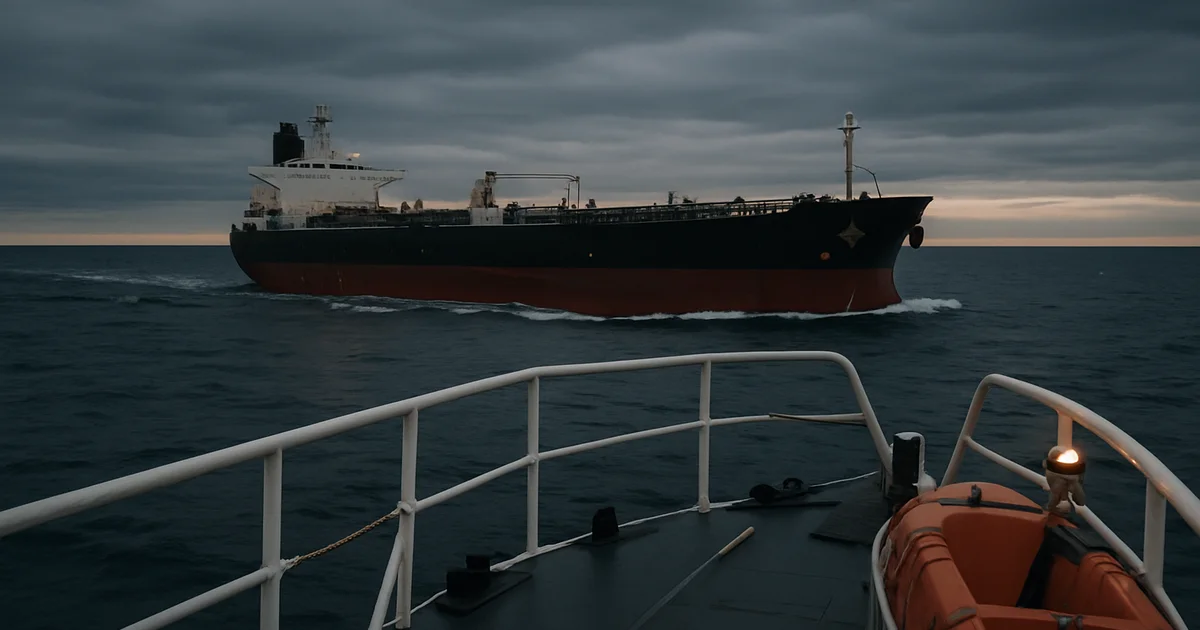
The recent hijacking of a tanker near the strategic Bab el-Mandeb strait has prompted a warning from Yemeni authorities to Somalia, Iran, Iraq, Kuwait, and the United States, highlighting renewed security risks in the Red Sea region. This incident underscores potential threats to vital shipping lanes that are critical for global trade.
Bab el-Mandeb, a key maritime chokepoint, serves as a conduit between the Arabian Sea and the Mediterranean via the Red Sea and the Suez Canal. Its significance is underscored by the high volume of oil and commercial goods passing through, which makes any disruption particularly impactful. The hijacking raises fresh concerns over the safety of these passages, traditionally plagued by piracy and conflict-related security issues.
The tanker involved, whose specific details have not been disclosed, was seized off the southern coast near Yemen. Yemeni officials have underscored the international dimensions of this threat, placing regional and global players on alert. The incident adds to a series of maritime security challenges that have beset the Gulf of Aden and surrounding waters, often threatening commercial shipping and passage safety.
Yemeni Ministry of Transport, led by an unnamed official, has communicated these warnings to regional nations and allied Western countries, emphasizing the necessity for maritime vigilance and coordinated security measures to safeguard vessels transiting these waters. The scope of the warning highlights Yemen’s call for collective action against piracy and potential hijacking operations.
Throughout recent years, the waters near the Bab el-Mandeb Strait have seen decreased piracy activity due to international naval patrols and increased security protocols. However, ongoing regional instability continues to pose threats that necessitate further intervention and cooperation among nations involved in these critical maritime routes.
Why this matters
The hijacking revives concerns about the vulnerability of key shipping arteries like Bab el-Mandeb that are paths for a significant portion of the world's oil and trade shipments. Maritime operators, like shipowners and charterers, may face heightened insurance premiums and additional security costs due to increased risk assessment by insurers and maritime security agencies.
Additionally, flag states and classification societies may be required to reassess security protocols to prevent future incidents. The event also necessitates due diligence on the part of shipping companies, mandating them to review their vessels' real-time data and AIS systems to counter potential attacks.
For nations dependent on these crucial shipping routes, the disruption risks economic impacts, affecting everything from energy supply chains to the timely delivery of goods. The situation underscores the complexity of regional geopolitics and its maritime implications.
The maritime industry will likely see an increased emphasis on technological and operational security enhancements to address the persistent threats in and around the Red Sea. This may involve further investment in security training for crews, enhanced monitoring systems, and collaborative defense measures. Stakeholders must remain vigilant as security conditions evolve.