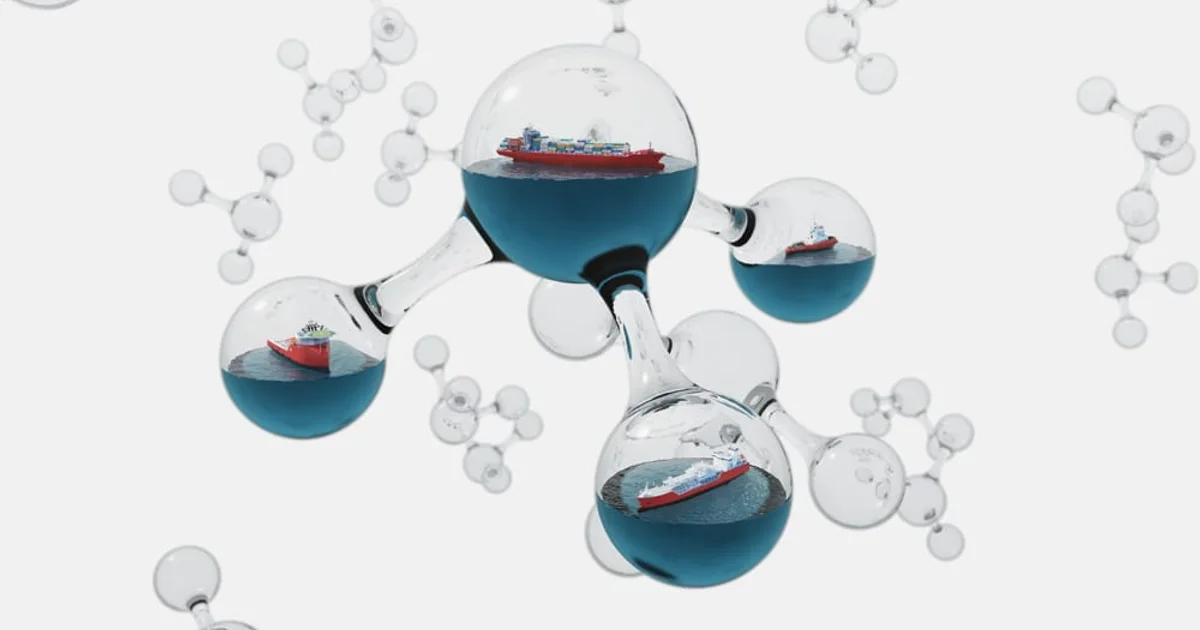
The pursuit of decarbonisation across the shipping industry is bringing lower- and zero-carbon fuels like ammonia into focus, as stakeholders seek alternatives to conventional fossil fuels. While ammonia presents considerable potential as a future maritime fuel, operational and production hurdles remain significant. Derived from hydrogen and nitrogen, ammonia has characteristics that could enable zero-carbon propulsion. However, the bulk of ammonia produced today remains "grey," reliant on energy-intensive methods tied to fossil fuels, thereby negating its environmental promise.
Efforts to lower the carbon intensity of ammonia production are shifting toward two alternative methods. "Blue" ammonia integrates carbon capture systems into traditional production processes, mitigating emissions while sustaining fossil fuel dependence. In contrast, "green" ammonia employs renewable power in tandem with electrolysis, resulting in minimal or zero carbon emissions during production. Both variants are classified as low-carbon ammonia. Despite this transition, ammonia’s primary role remains tied to industrial applications such as fertilizer production, plastics manufacturing, and synthetic fiber creation.
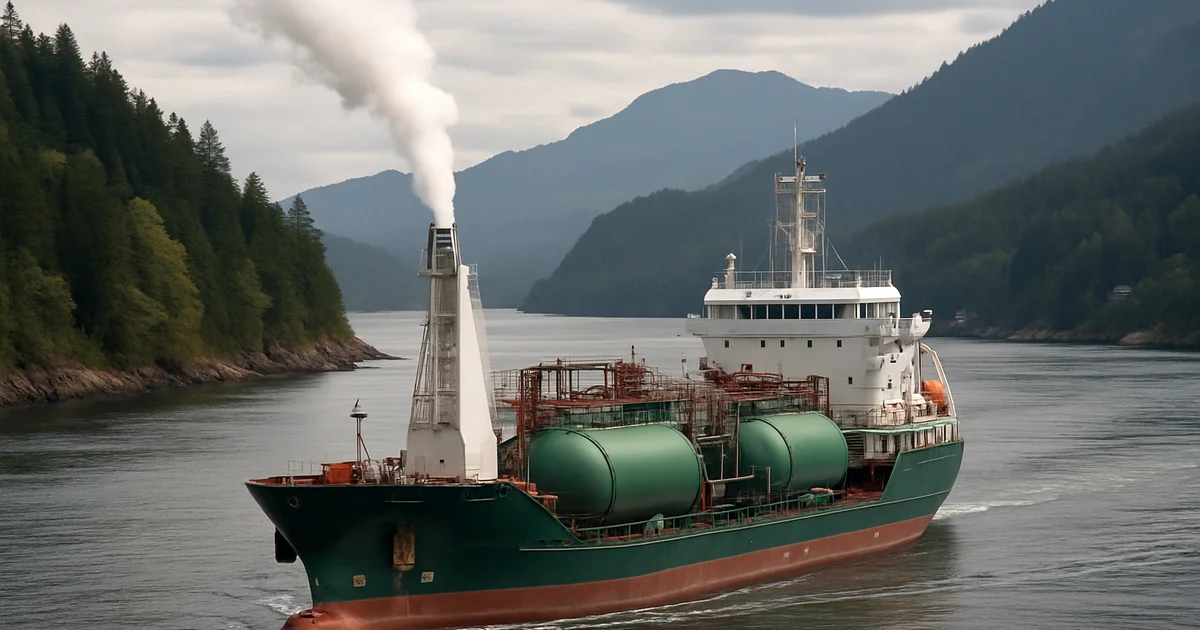
The maritime industry, already signaling interest in pivoting to ammonia as an energy source, is positioned to play a central role in transporting this fuel as production methods evolve. Presently, the infrastructure to accommodate ammonia bunkering and handling is developing, with heightened attention toward safety and regulatory compliance due to the chemical’s toxicity. Proponents in the shipping sector expect mid-to-long term adoption gains driven by scalable production and concerted investments into green ammonia. Additionally, its anticipated role in global power generation further underscores shipowners’ strategic interest in this emerging fuel.
The transition to ammonia is symptomatic of broader pressures across maritime supply chains to align with IMO decarbonisation objectives and national emissions reduction targets. As technology advances and production capacity for low-carbon ammonia scales, the operational practices of many ship operators are likely to undergo transformation. Coupled with regulatory incentives and mounting scrutiny over emissions, ammonia is poised to contribute to reshaping the industry’s fuel landscape.
Why this matters
Introducing ammonia as a maritime fuel could radically shift the fuel supply chain while necessitating new safety and operational standards. Shipowners and operators must prepare for potential carrier retrofits or newbuilding designs equipped with ammonia-compatible engines and fuel systems. Additionally, risks associated with its high toxicity require innovations in handling protocols, bunkering infrastructure, and regulatory oversight.
The scaled adoption of low-carbon ammonia also carries implications for global trade lanes and supply networks, as significant resources will be required to transport production from exporting nations to energy-demand centers. Port operators may face the dual challenge of constructing ammonia handling facilities and adhering to stringent environmental standards during terminal operations. Charterers and cargo owners alike must anticipate how shipping rates may fluctuate based on ammonia availability and production costs.
Ultimately, ammonia’s role in maritime decarbonisation will depend on overcoming operational and production bottlenecks, with its viability heavily contingent on regulatory support and technological maturation. The industry continues to weigh its operational realism alongside broader environmental objectives.
Looking ahead, maritime operators and stakeholders should monitor advancements in ammonia production technology and scale, as well as emerging port infrastructure changes required for its widespread adoption. These developments will define the pace of ammonia's integration into the shipping industry’s fuel mix.