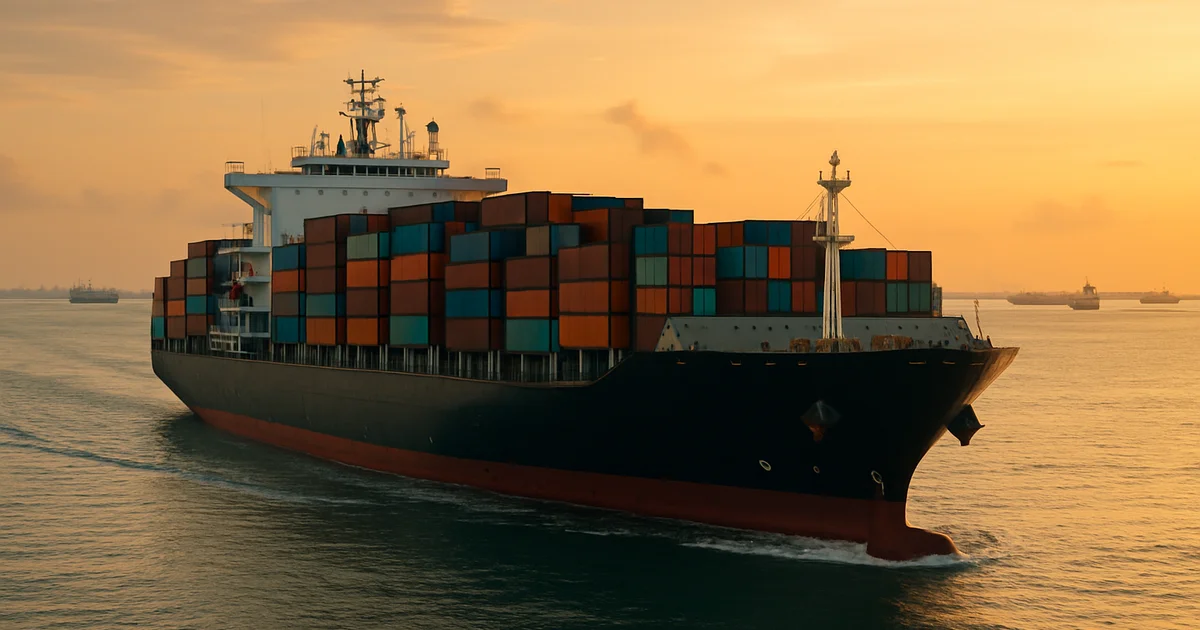
According to data sourced from the Enterprise Singapore, the nation’s commercial oil inventories have seen a decline once more. The strategic stockpiles fell during the last reported period, reflecting operational challenges amid volatile shipping risks. Negatively affecting the regular inflow, shipping disruptions have contributed significantly to this pattern of dwindling oil reserves.
Calculations by market analysts reveal that Singapore's current stock levels have reached historic lows compared to prior cycles. It emphasizes the effect ongoing maritime logistics disturbances can have on inventory management and the nation’s broader energy security agenda. Import dependencies, compounded by these logistical challenges, place additional constraints on normal inventory levels.
The crucial factor attributed to this situation is the increasing complexity in shipping routes and availability of carriers to transport crude and other oil products efficiently. Operational bottlenecks across essential maritime corridors have been further exacerbated by port congestion and adverse weather conditions impacting timely deliveries. Contributing to this landscape of difficulty is the lack of available vessels and specific geo-economic strains on multiple trade lanes.
Facing these pressures, the industry considers diversifying sourcing options while augmenting storage infrastructure to mitigate similar future risks. Efforts are underway to strategize around increasing supply chain resilience, with a focus on technological and logistical innovations to strengthen the current framework.
Why this matters
Declining oil inventory levels have implications for Singapore's maritime and supply chain operations. Inventory shortages could signal increased costs for energy importers due to higher freight rates or emergency sourcing measures, challenging them to maintain stable supply lines. The ability to manage reserves efficiently is critical in moderating these financial pressures.
The situations also underscore the broader risks related to port congestion and vessel availability impacting cost-effectiveness and delivery reliability within regional trade networks. Potential supply chain vulnerabilities could necessitate policy adjustments and investments in maritime infrastructure to ensure liner shipping companies and port authorities can adapt to current challenges effectively.
Emerging from this scenario is a clear requirement for enhanced integration of advanced logistics technologies that assist in predictive inventory management. Stakeholders are contemplating broader adoption of digital solutions that offer strategic foresight into supply chain bottlenecks and help streamline maritime logistics from port operations to vessel routing.
Looking ahead, stakeholders need to keep a close watch on shipping conditions and devise contingency plans that involve robust logistics frameworks capable of withstanding similar disruptions. Scaling up storage capabilities and refining simulation models for inventory forecasting could present as proactive measures industry players seek to implement in maintaining an equilibrium between supply and demand in the energy sector.